THE ADVENTURE COLLECTIVE® · Independent discovery and booking for outdoor travel

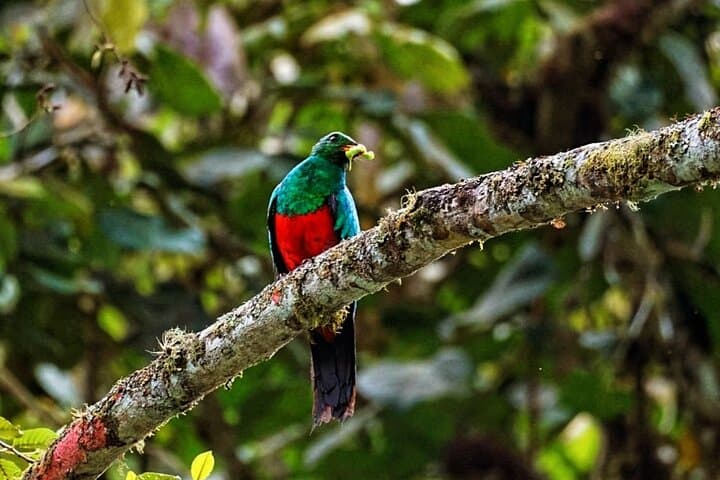
A private birdwatching day in Mindo puts you directly into Ecuador’s cloud forest canopy where hummingbirds, tanagers and toucans compete for attention. This guide explains what to expect on trails, best seasons, and how to prepare.
A private birdwatching day in Mindo puts you directly into Ecuador’s cloud forest canopy where hummingbirds, tanagers and toucans compete for attention. This guide explains what to expect on trails, best seasons, and how to prepare.
Fog rides low over the treetops as you step off the van and into a web of moss and calls.
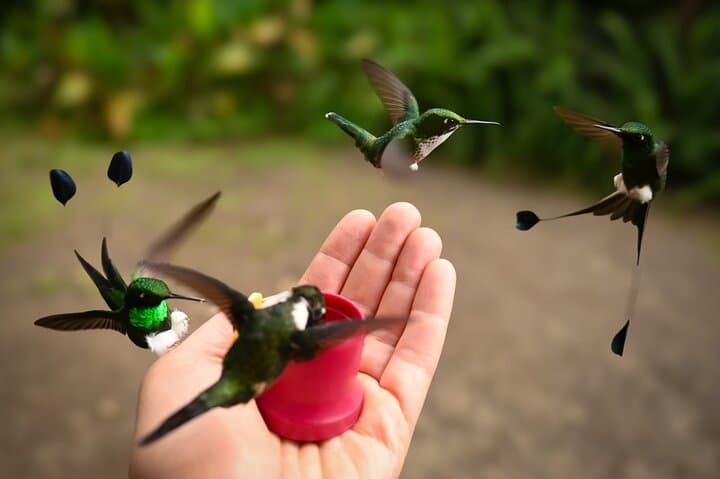
Early morning in Mindo means a chorus of wings, high-pitched trills and the metallic ping of hummingbirds staking territory — the cloud forest both audible and tactile, leaves beaded with mist.
Verified experiences and guided adventures in the surrounding area.
Operated by Israel alejandro Peña solano · Mindo, Pichincha
Fog rides low over the treetops as you step off the van and into a web of moss and calls.
Early morning in Mindo means a chorus of wings, high-pitched trills and the metallic ping of hummingbirds staking territory — the cloud forest both audible and tactile, leaves beaded with mist.
This private birdwatching tour moves through the Mindo-Nambillo protected forest, a montane cloud forest on the western slopes of the Andes. Geologically, the area sits where Andean uplift meets humid Pacific air, creating persistent clouds and a complex vertical habitat that supports amphibians, epiphytes and hundreds of bird species. Culturally, Mindo evolved from small farming communities into an ecotourism hub; local guides combine traditional knowledge with ornithological training to find species that brought international birders here.
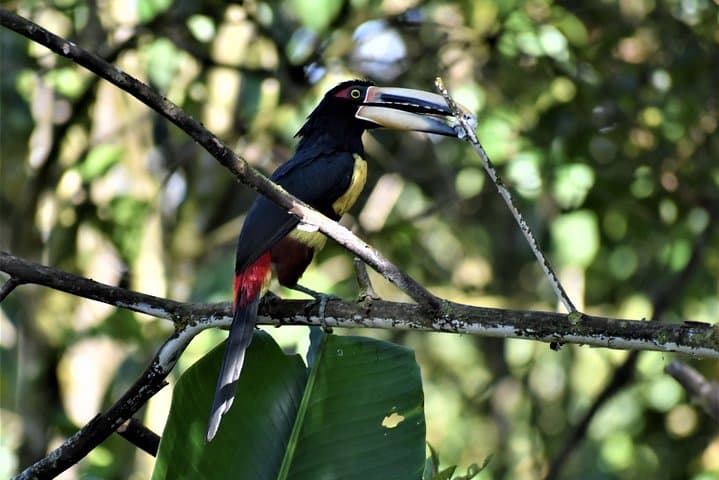
Expect guided walks on muddy, sometimes steep trails at roughly 1,200–1,400 m elevation. Guides use blinds and quiet stalking to show tanagers, toucans, and a dazzling range of hummingbirds; a private tour means flexible pacing and targeted species searches. Transport from Quito or local pickup is typical, with returns the same day or extended options available.
Practical notes: start at dawn, dress in quick-dry layers and waterproof footwear, bring rain protection and a headlamp for early pickups. Guides usually provide binoculars and spotting scopes but bringing a personal pair and a field guide improves sightings. Best window for drier conditions is May–December, but cloud forest weather is changeable — be prepared to move with the mist.
moderate.
5–8 hours.
Light to moderate fitness for several hours of walking on uneven, sometimes steep forest trails.
Typical private excursions run 5–8 hours with dawn starts; exact pickup time depends on season and your pickup location (Quito or local).
Guides generally bring spotting scopes and some binoculars, but bringing your own optics is recommended for comfort and consistent viewing.
The tour is advertised as accessible for varied fitness levels, but trails can be uneven; private format allows customization for families or those needing gentler routes.
The drier window from May through December often offers more predictable conditions, but birding is year-round and many migratory species appear in specific months.
Mindo transitioned from subsistence agriculture to an ecotourism center in recent decades, with local guides using traditional ecological knowledge alongside formal training.
The Mindo-Nambillo area is protected through community reserves and conservation projects focused on habitat protection and sustainable tourism; visitors are encouraged to follow Leave No Trace practices.
Israel alejandro Peña solano operates guided outdoor trips and adventures with an emphasis on safety, stewardship, and memorable experiences.
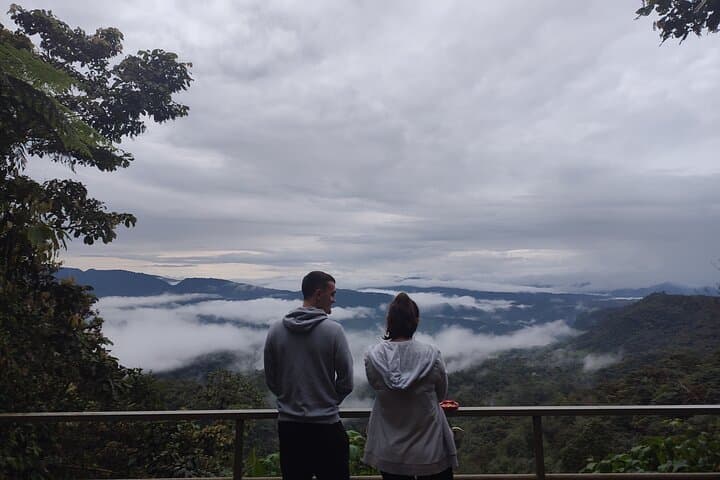
Fog rides low over the treetops as you step off the van and into a web of moss and calls.
Early morning in Mindo means a chorus of wings, high-pitched trills and the metallic ping of hummingbirds staking territory — the cloud forest both audible and tactile, leaves beaded with mist.
Fog rides low over the treetops as you step off the van and into a web of moss and calls.
Early morning in Mindo means a chorus of wings, high-pitched trills and the metallic ping of hummingbirds staking territory — the cloud forest both audible and tactile, leaves beaded with mist.
This private birdwatching tour moves through the Mindo-Nambillo protected forest, a montane cloud forest on the western slopes of the Andes. Geologically, the area sits where Andean uplift meets humid Pacific air, creating persistent clouds and a complex vertical habitat that supports amphibians, epiphytes and hundreds of bird species. Culturally, Mindo evolved from small farming communities into an ecotourism hub; local guides combine traditional knowledge with ornithological training to find species that brought international birders here.
Expect guided walks on muddy, sometimes steep trails at roughly 1,200–1,400 m elevation. Guides use blinds and quiet stalking to show tanagers, toucans, and a dazzling range of hummingbirds; a private tour means flexible pacing and targeted species searches. Transport from Quito or local pickup is typical, with returns the same day or extended options available.
Practical notes: start at dawn, dress in quick-dry layers and waterproof footwear, bring rain protection and a headlamp for early pickups. Guides usually provide binoculars and spotting scopes but bringing a personal pair and a field guide improves sightings. Best window for drier conditions is May–December, but cloud forest weather is changeable — be prepared to move with the mist.