THE ADVENTURE COLLECTIVE® · Independent discovery and booking for outdoor travel

Spend a day descending from Quito into the cloud forest of Mindo: hummingbird feeders, a butterfly farm, a cable-car crossing and a waterfall hike to Nambillo. This full-day tour blends hands-on wildlife encounters with light adventure and local flavors.
Spend a day descending from Quito into the cloud forest of Mindo: hummingbird feeders, a butterfly farm, a cable-car crossing and a waterfall hike to Nambillo. This full-day tour blends hands-on wildlife encounters with light adventure and local flavors.
By the time the van slips out of Quito’s high, dry light, the air already feels different — cooler, thicker, smelling of wet earth. The road drops through green terraces and cattle pastures, then opens onto the Pululahua crater: a broad, living bowl where orchids cling to steep walls and a far ridge holds low clouds like a slow-moving sea.
Verified experiences and guided adventures in the surrounding area.
Operated by Ecuador a Color tour operator · Mindo, Pichincha
By the time the van slips out of Quito’s high, dry light, the air already feels different — cooler, thicker, smelling of wet earth. The road drops through green terraces and cattle pastures, then opens onto the Pululahua crater: a broad, living bowl where orchids cling to steep walls and a far ridge holds low clouds like a slow-moving sea.
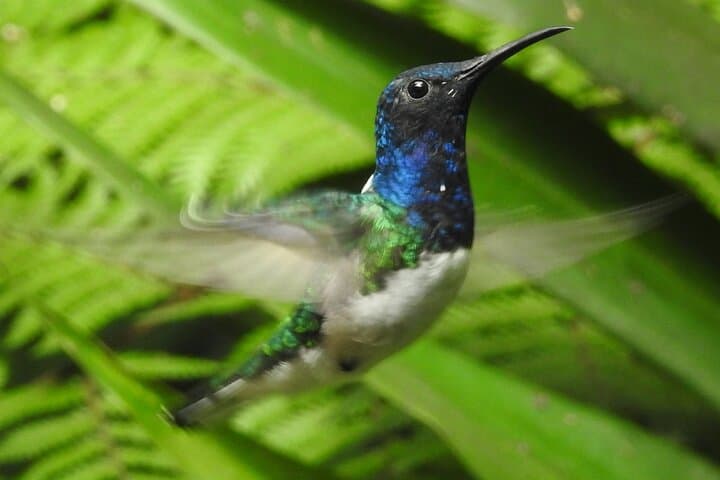
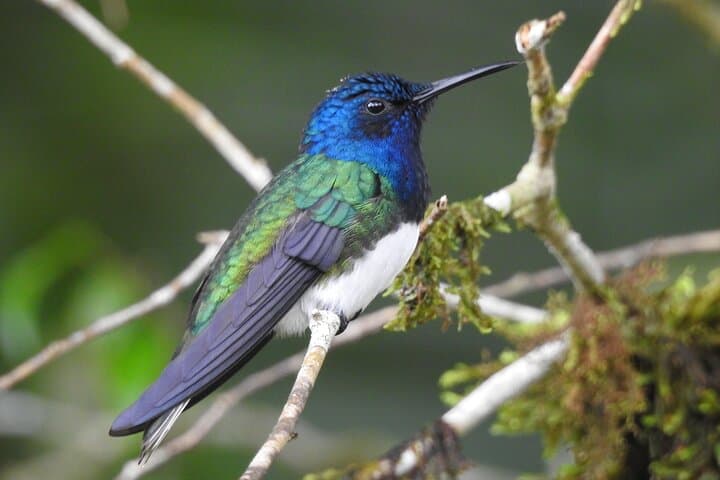
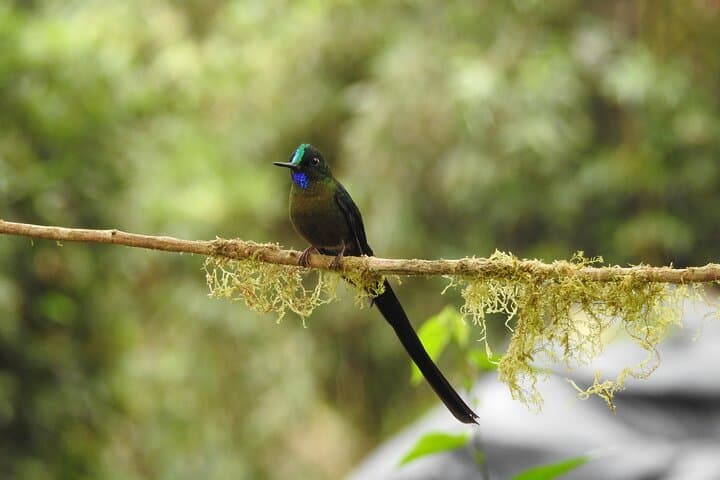
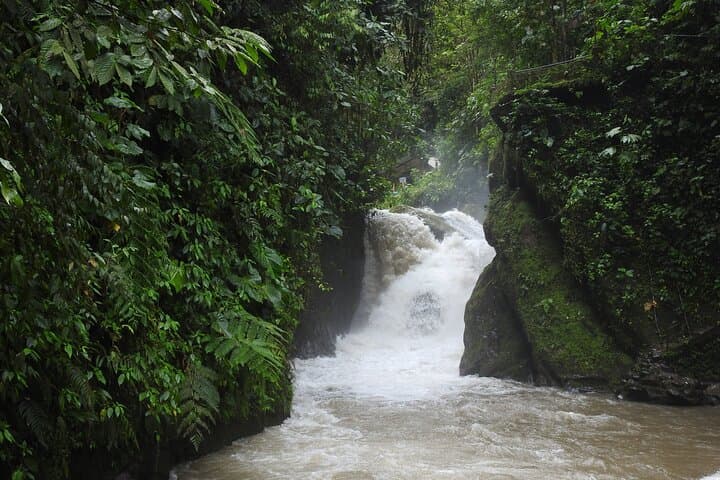
This is the tone the Full-Day Mindo Cloud Forest Tour sets for the rest of the day. The itinerary moves with purpose: a stop at Pululahua for a quick panorama, then into San Tadeo’s hummingbird gardens where tiny wings beat like a frantic percussion section and toucans perch like punctuation marks in the canopy. The tour threads education and spectacle — a butterfly farm where you learn life cycles, then a cable car crossing that ferries you into the denser, wetter arms of the cloud forest and deposits you on the Waterfall Route (Ruta de las Cascadas) for a 1.5-hour hike to cascadas like Nambillo.
Geology here matters. The cloud forest sits on the western flank of the Andes and is part of the Chocó-Darién bioregion, one of the planet’s most species-rich corridors. Soils are volcanic, slopes are steep, and water shapes everything — small rivers daring you to cross on roots and stones, larger ones carving gorges under the falls. Culturally, Mindo is a small town with an outsized reputation: birding lodges, artisanal chocolate producers, and guides who read the forest like a script of seasonal movements.
Practically, the day is long (about 10 hours door-to-door from Quito) but accessible. Expect gentle to moderate hikes: the waterfall trail is about 3 km round-trip with 150–250 m of elevation change, muddy sections, and a handful of stairs. The cable car cuts hiking time but adds a thrill element and mobility assistance for steeper sections. Plan for sudden rain, slippery rocks, and frequent stops for photos — and bring binoculars for species you won’t see in your camera frame.
Food and logistics are straightforward: a relaxed lunch near the trail, artisan chocolate tasting at Yumbos, and options for tubing or a zipline in the Mindo River area if you want more adrenaline. Guides supplied are national and knowledgeable; pickup from Quito hotels is standard and the tour accepts small groups or private bookings.
If you go: wear grippy, waterproof shoes, layer for temperature swings between Quito and Mindo’s lower elevation, and charge batteries — the forest offers relentless photographic opportunities. Above all, move slowly. The forest rewards patience: a tanager hops into view, a hummingbird glances by, and the waterfalls keep their own slow, insistent time.
moderate.
10 hours.
Suitable for travelers in average fitness who can walk 3–5 km on uneven terrain and handle short stair sections.
The tour is approximately 10 hours and typically departs Quito at 8:00 AM with hotel pickup about 10 minutes before the scheduled time.
Yes — the itinerary is labeled physically easy and includes options to shorten hikes via the cable car; inform guides of mobility needs at booking.
Common highlights include hummingbirds, tanagers, toucans, and butterflies; sightings are abundant but never guaranteed.
Admission fees to some attractions are included; lunch is provided at a local restaurant but confirm specifics when booking.
Yes — the tour offers extra activities like tubing and zipline in the Mindo River area; notify the operator of preferences when booking.
A zoom lens (200–400mm equivalent), spare batteries, and a lightweight tripod or monopod for low-light feeders are helpful.
Mindo sits on the western slopes of the Andes within the Chocó-Darién bioregion, an area shaped by volcanic activity and long-standing indigenous and mestizo agricultural traditions.
The region faces pressure from development and agriculture; many local guides and lodges support reforestation and community-based conservation programs to protect habitat and endemic species.
Ecuador a Color tour operator operates guided outdoor trips and adventures with an emphasis on safety, stewardship, and memorable experiences.
By the time the van slips out of Quito’s high, dry light, the air already feels different — cooler, thicker, smelling of wet earth. The road drops through green terraces and cattle pastures, then opens onto the Pululahua crater: a broad, living bowl where orchids cling to steep walls and a far ridge holds low clouds like a slow-moving sea.
By the time the van slips out of Quito’s high, dry light, the air already feels different — cooler, thicker, smelling of wet earth. The road drops through green terraces and cattle pastures, then opens onto the Pululahua crater: a broad, living bowl where orchids cling to steep walls and a far ridge holds low clouds like a slow-moving sea.
This is the tone the Full-Day Mindo Cloud Forest Tour sets for the rest of the day. The itinerary moves with purpose: a stop at Pululahua for a quick panorama, then into San Tadeo’s hummingbird gardens where tiny wings beat like a frantic percussion section and toucans perch like punctuation marks in the canopy. The tour threads education and spectacle — a butterfly farm where you learn life cycles, then a cable car crossing that ferries you into the denser, wetter arms of the cloud forest and deposits you on the Waterfall Route (Ruta de las Cascadas) for a 1.5-hour hike to cascadas like Nambillo.
Geology here matters. The cloud forest sits on the western flank of the Andes and is part of the Chocó-Darién bioregion, one of the planet’s most species-rich corridors. Soils are volcanic, slopes are steep, and water shapes everything — small rivers daring you to cross on roots and stones, larger ones carving gorges under the falls. Culturally, Mindo is a small town with an outsized reputation: birding lodges, artisanal chocolate producers, and guides who read the forest like a script of seasonal movements.
Practically, the day is long (about 10 hours door-to-door from Quito) but accessible. Expect gentle to moderate hikes: the waterfall trail is about 3 km round-trip with 150–250 m of elevation change, muddy sections, and a handful of stairs. The cable car cuts hiking time but adds a thrill element and mobility assistance for steeper sections. Plan for sudden rain, slippery rocks, and frequent stops for photos — and bring binoculars for species you won’t see in your camera frame.
Food and logistics are straightforward: a relaxed lunch near the trail, artisan chocolate tasting at Yumbos, and options for tubing or a zipline in the Mindo River area if you want more adrenaline. Guides supplied are national and knowledgeable; pickup from Quito hotels is standard and the tour accepts small groups or private bookings.
If you go: wear grippy, waterproof shoes, layer for temperature swings between Quito and Mindo’s lower elevation, and charge batteries — the forest offers relentless photographic opportunities. Above all, move slowly. The forest rewards patience: a tanager hops into view, a hummingbird glances by, and the waterfalls keep their own slow, insistent time.