THE ADVENTURE COLLECTIVE® · Independent discovery and booking for outdoor travel

Spend a full day in Mindo’s cloud forest from Quito—see butterfly farms, cross a tarabita, hike to a waterfall and try canopy options. This tour packs varied nature encounters and local culture into a single, active day.
Spend a full day in Mindo’s cloud forest from Quito—see butterfly farms, cross a tarabita, hike to a waterfall and try canopy options. This tour packs varied nature encounters and local culture into a single, active day.
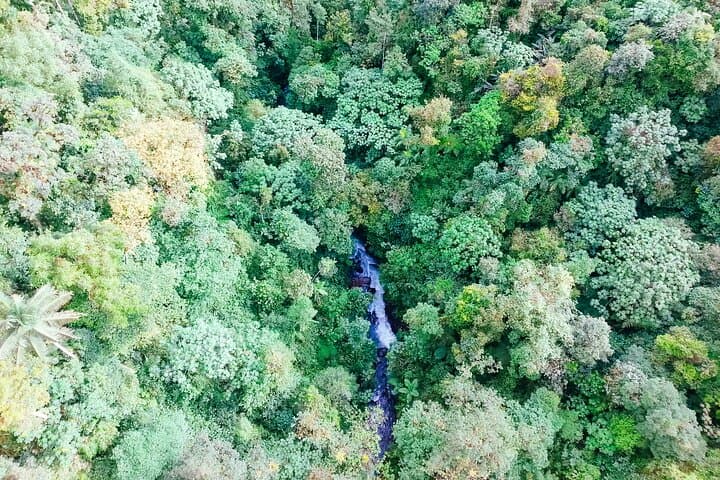
Dawn in the Ecuadorian cloud forest arrives cool and damp, with mist clinging to moss-draped limbs and the distant roar of a waterfall pulling you off the minivan. On a full-day tour from Quito, guides steer the itinerary — a concentrated loop through butterfly farms, hanging bridges, a tarabita crossing and a hike that ends at a plunge pool beneath a tumbling cascade. Birds call from the canopy; orchids press out of trunks like small, stubborn flags.
Verified experiences and guided adventures in the surrounding area.
Operated by Quito Tour Bus · Mindo, Pichincha
Dawn in the Ecuadorian cloud forest arrives cool and damp, with mist clinging to moss-draped limbs and the distant roar of a waterfall pulling you off the minivan. On a full-day tour from Quito, guides steer the itinerary — a concentrated loop through butterfly farms, hanging bridges, a tarabita crossing and a hike that ends at a plunge pool beneath a tumbling cascade. Birds call from the canopy; orchids press out of trunks like small, stubborn flags.
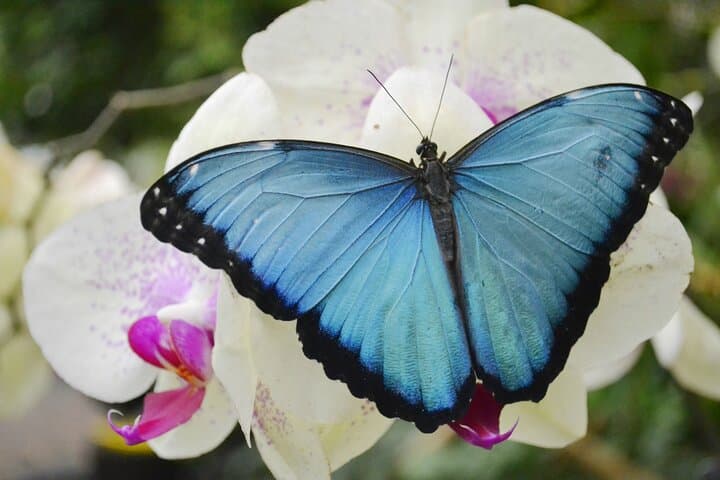
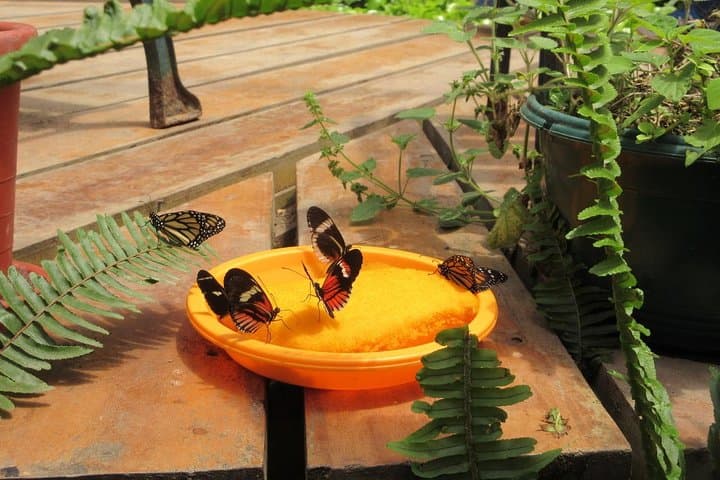
Geologically, Mindo sits on the western foothills of the Andes where uplift, volcanic soils and high humidity create steep, folded terrain and a patchwork of microhabitats. Culturally the valley is a meeting place of campesino agriculture and ecotourism — small farms, cacao plots and family-run lodges frame the route. The area’s butterfly houses and hummingbird feeders grew from local interest in wildlife, offering a close-up look at species adapted to cloud-forest niches.
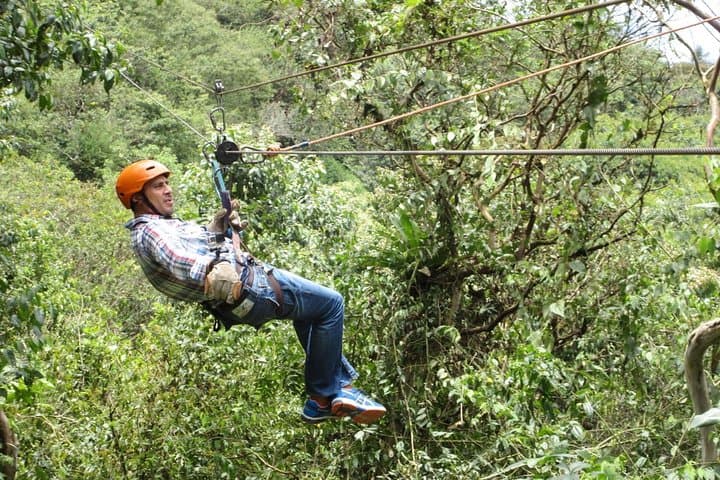
Practical details: expect trails with wet mud, roots and short elevation changes rather than long climbs. The included tarabita (cable basket) shortens approaches and the itinerary often includes optional canopy zip lines at additional cost. Wear grippy shoes, bring a rain layer, insect repellent and a reusable water bottle; swimming beneath the waterfall is possible but seasonal.
For a day trip from Quito the rhythm is brisk — multiple short stops rather than slow immersion — making this ideal for travelers who want concentrated nature encounters without backcountry logistics.
moderate.
6–8 hours.
Moderate fitness: able to walk 2–4 miles over uneven, sometimes steep terrain and few flights of stairs.
Typical transfer is about 2–2.5 hours each way depending on traffic and exact pickup location.
Yes—many itineraries allow a swim at the waterfall pool when conditions are safe; wear swimwear under clothes if you plan to jump in.
Many families join; however, the tour isn’t recommended for infants or those with significant mobility or medical issues due to uneven terrain.
Lunch is often included or arranged at a local restaurant, but confirm with the operator and mention dietary restrictions at booking.
Mindo rose in the late 20th century as a conservation-linked tourism hub, with local families converting land to reserves and wildlife attractions.
Conservation here focuses on private reserves, reforestation and sustainable tourism; visitors should stay on trails and avoid feeding wildlife to minimize impact.
Quito Tour Bus operates guided outdoor trips and adventures with an emphasis on safety, stewardship, and memorable experiences.
Dawn in the Ecuadorian cloud forest arrives cool and damp, with mist clinging to moss-draped limbs and the distant roar of a waterfall pulling you off the minivan. On a full-day tour from Quito, guides steer the itinerary — a concentrated loop through butterfly farms, hanging bridges, a tarabita crossing and a hike that ends at a plunge pool beneath a tumbling cascade. Birds call from the canopy; orchids press out of trunks like small, stubborn flags.
Dawn in the Ecuadorian cloud forest arrives cool and damp, with mist clinging to moss-draped limbs and the distant roar of a waterfall pulling you off the minivan. On a full-day tour from Quito, guides steer the itinerary — a concentrated loop through butterfly farms, hanging bridges, a tarabita crossing and a hike that ends at a plunge pool beneath a tumbling cascade. Birds call from the canopy; orchids press out of trunks like small, stubborn flags.
Geologically, Mindo sits on the western foothills of the Andes where uplift, volcanic soils and high humidity create steep, folded terrain and a patchwork of microhabitats. Culturally the valley is a meeting place of campesino agriculture and ecotourism — small farms, cacao plots and family-run lodges frame the route. The area’s butterfly houses and hummingbird feeders grew from local interest in wildlife, offering a close-up look at species adapted to cloud-forest niches.
Practical details: expect trails with wet mud, roots and short elevation changes rather than long climbs. The included tarabita (cable basket) shortens approaches and the itinerary often includes optional canopy zip lines at additional cost. Wear grippy shoes, bring a rain layer, insect repellent and a reusable water bottle; swimming beneath the waterfall is possible but seasonal.
For a day trip from Quito the rhythm is brisk — multiple short stops rather than slow immersion — making this ideal for travelers who want concentrated nature encounters without backcountry logistics.