THE ADVENTURE COLLECTIVE® · Independent discovery and booking for outdoor travel

Spend a full day in Ecuador’s Mindo Cloud Forest with private transport from Quito. Expect hummingbird gardens, waterfall walks, a butterfly house and expert local guides who point out orchids, birds and the geological features of this biodiverse valley.
Spend a full day in Ecuador’s Mindo Cloud Forest with private transport from Quito. Expect hummingbird gardens, waterfall walks, a butterfly house and expert local guides who point out orchids, birds and the geological features of this biodiverse valley.
A damp breeze threads through the moss-draped trees as you step from the van onto a narrow trail — leaves slick, air cool, the canopy alive with quick silver flashes of hummingbirds. The Mindo Cloud Forest sits on the western slopes of Ecuador’s Andean foothills, a steep mosaic of rivers, ravines and conservation patches where lowland and montane species meet. Guides lead visitors to hummingbird feeders, hold open butterfly houses and point out orchids clinging to trunks, translating the forest’s hum into names and behaviors.
Verified experiences and guided adventures in the surrounding area.
Operated by Great Horned Owl Tours · Mindo, Pichincha
A damp breeze threads through the moss-draped trees as you step from the van onto a narrow trail — leaves slick, air cool, the canopy alive with quick silver flashes of hummingbirds. The Mindo Cloud Forest sits on the western slopes of Ecuador’s Andean foothills, a steep mosaic of rivers, ravines and conservation patches where lowland and montane species meet. Guides lead visitors to hummingbird feeders, hold open butterfly houses and point out orchids clinging to trunks, translating the forest’s hum into names and behaviors.
Geologically, Mindo occupies a transition zone where volcanic Andes give way to cloud‑forest valleys; steep gradients and frequent mist create the humidity that sustains orchids, bromeliads and high bird diversity. Culturally the town evolved from farming to eco-tourism in the late 20th century — chocolate makers, small lodges and birding lodges now support conservation efforts. Expect private transport from Quito, full‑day pacing (8–10 hours) and options including waterfall walks, a butterfly house and time at hummingbird gardens.
Practically: wear quick‑dry layers and sturdy trail shoes, carry binoculars and a rain shell, and plan for narrow, muddy trails and short steep sections rather than long climbs. Mornings are best for bird activity; waterfalls are more dramatic after rain. Respect local guides, stay on marked paths, and bring cash for small entrance fees and local snacks. The tour is accessible for most fitness levels but rewards patience and quiet observation — the cloud forest gives its highlights to those who slow down.
easy.
8–10 hours.
Suitable for most fitness levels; requires standing and short hikes on uneven ground throughout the day.
Travel time is typically 2–3 hours each way depending on traffic and exact pickup location; the full experience runs about 8–10 hours including transport.
Yes — the itinerary is moderate with short, guided walks; private transport and easy options make it family-friendly, though some paths can be uneven.
Expect abundant hummingbirds, tanagers and toucanets; sightings of frogs, butterflies and small mammals are common, but specific species are not guaranteed.
Guides often include stops for snacks or a local lunch, but bring a reusable water bottle and any personal snacks, as facilities are small in town.
Mindo shifted from agriculture to eco-tourism starting in the 1990s; small community lodges and conservation projects grew to protect remaining forest fragments.
Tourism directly supports local reserves and guides; stick to trails, avoid single-use plastics and follow guide instructions to limit disturbance to sensitive habitats.
Great Horned Owl Tours operates guided outdoor trips and adventures with an emphasis on safety, stewardship, and memorable experiences.
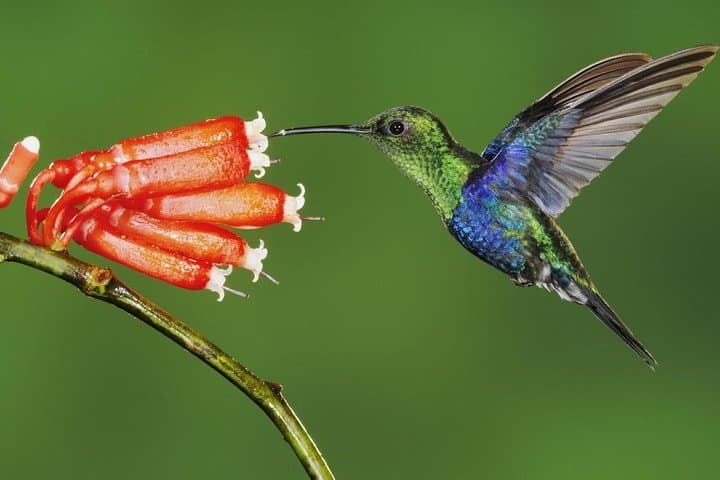
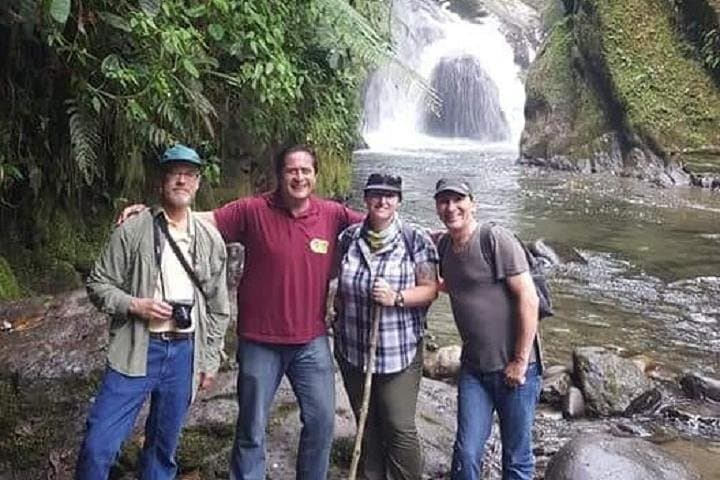
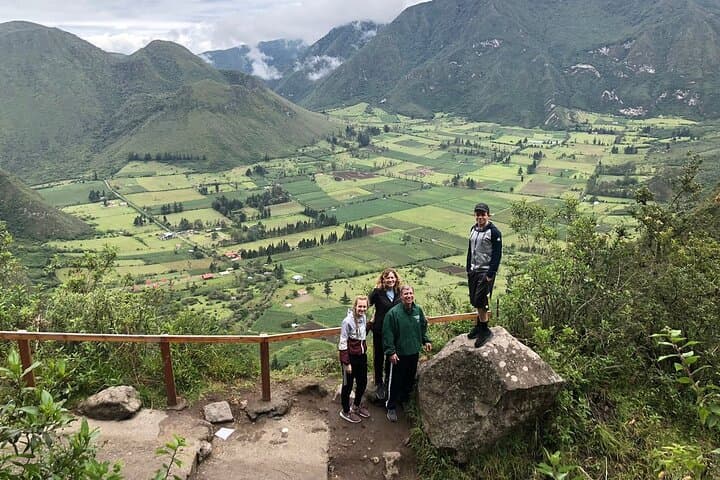
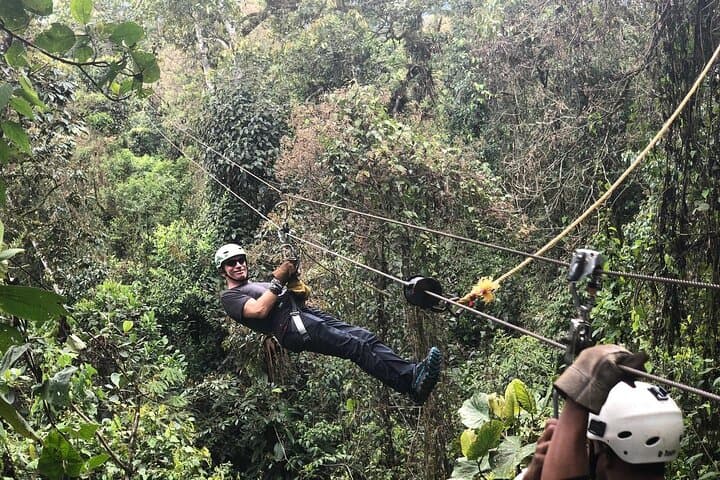
A damp breeze threads through the moss-draped trees as you step from the van onto a narrow trail — leaves slick, air cool, the canopy alive with quick silver flashes of hummingbirds. The Mindo Cloud Forest sits on the western slopes of Ecuador’s Andean foothills, a steep mosaic of rivers, ravines and conservation patches where lowland and montane species meet. Guides lead visitors to hummingbird feeders, hold open butterfly houses and point out orchids clinging to trunks, translating the forest’s hum into names and behaviors.
A damp breeze threads through the moss-draped trees as you step from the van onto a narrow trail — leaves slick, air cool, the canopy alive with quick silver flashes of hummingbirds. The Mindo Cloud Forest sits on the western slopes of Ecuador’s Andean foothills, a steep mosaic of rivers, ravines and conservation patches where lowland and montane species meet. Guides lead visitors to hummingbird feeders, hold open butterfly houses and point out orchids clinging to trunks, translating the forest’s hum into names and behaviors.
Geologically, Mindo occupies a transition zone where volcanic Andes give way to cloud‑forest valleys; steep gradients and frequent mist create the humidity that sustains orchids, bromeliads and high bird diversity. Culturally the town evolved from farming to eco-tourism in the late 20th century — chocolate makers, small lodges and birding lodges now support conservation efforts. Expect private transport from Quito, full‑day pacing (8–10 hours) and options including waterfall walks, a butterfly house and time at hummingbird gardens.
Practically: wear quick‑dry layers and sturdy trail shoes, carry binoculars and a rain shell, and plan for narrow, muddy trails and short steep sections rather than long climbs. Mornings are best for bird activity; waterfalls are more dramatic after rain. Respect local guides, stay on marked paths, and bring cash for small entrance fees and local snacks. The tour is accessible for most fitness levels but rewards patience and quiet observation — the cloud forest gives its highlights to those who slow down.