THE ADVENTURE COLLECTIVE® · Independent discovery and booking for outdoor travel

Drive two hours west of Quito into a living cloud—Mindo’s reserves compress rainforest biodiversity into an accessible day trip. Expect waterfalls, butterfly conservatories, hummingbird viewing and optional zipline or tubing for an added thrill.
Drive two hours west of Quito into a living cloud—Mindo’s reserves compress rainforest biodiversity into an accessible day trip. Expect waterfalls, butterfly conservatories, hummingbird viewing and optional zipline or tubing for an added thrill.
Morning light slices through low cloud as the van eases down from Quito’s highlands toward a green, breathing valley. The road drops, vegetation fattens and the air takes on a humid sweetness—the doorway to Mindo’s cloud forest. Visitors step from tarabita cable cars into a mosaic of orchids, hummingbird feeders and a chorus of wings.
Verified experiences and guided adventures in the surrounding area.
Operated by Adventure Journeys · Mindo, Pichincha
Morning light slices through low cloud as the van eases down from Quito’s highlands toward a green, breathing valley. The road drops, vegetation fattens and the air takes on a humid sweetness—the doorway to Mindo’s cloud forest. Visitors step from tarabita cable cars into a mosaic of orchids, hummingbird feeders and a chorus of wings.
The Mindo–Nambillo landscape is carved by volcanic soils and steep ridges that capture moisture from Pacific winds, producing persistent cloud cover and one of Ecuador’s richest birding habitats. Small-scale cacao farming and butterfly houses trace the region’s cultural economy; local cooperatives have promoted ecotourism since the late 20th century.
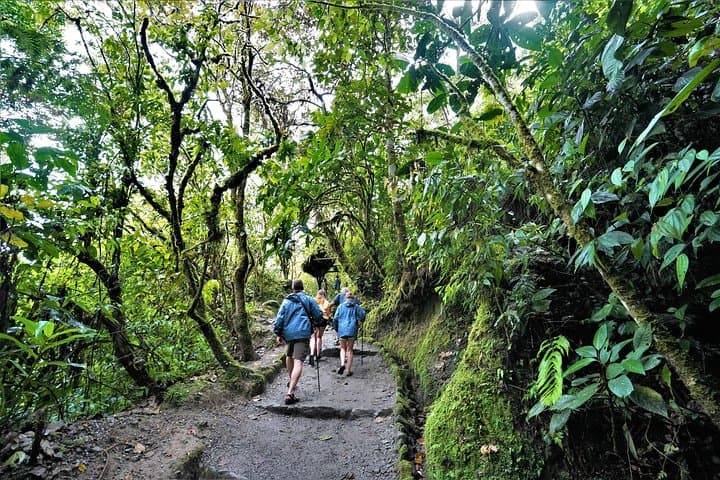
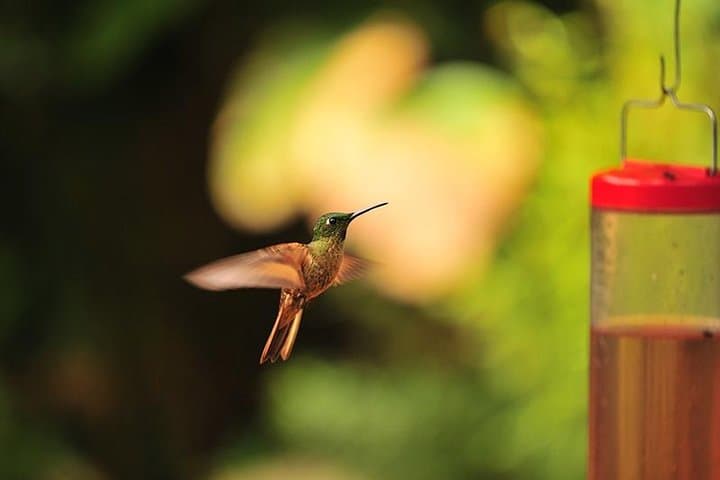
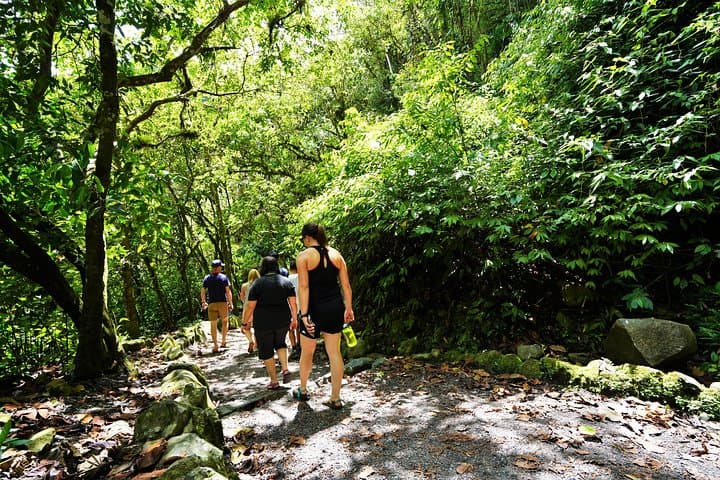
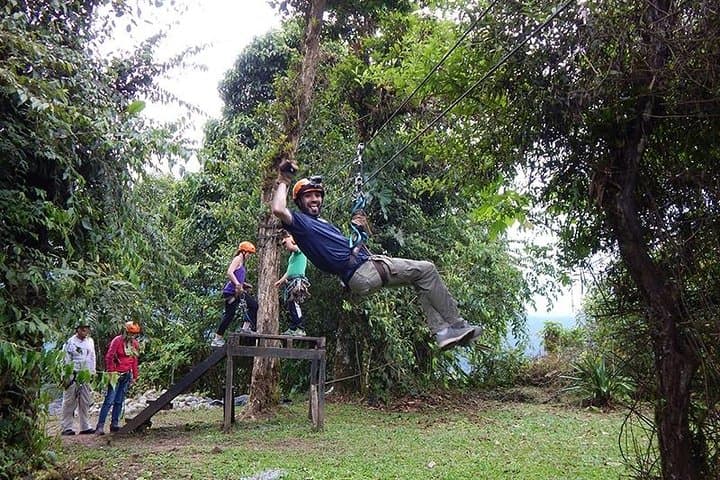
A typical day includes a 2-hour interpretive hike on forest trails to waterfalls where pools invite a cool bath, a stop at a butterfly conservatory to watch freshly emerged wings, and an afternoon at Sachatamia’s hummingbird feeders where dozens of species flash like living jewels. Optional activities—zipline, river tubing, or a family-run chocolate demonstration—add adrenaline or culinary context.
Practicalities: tours usually run eight hours from Quito with private transport and lunch included; trails are muddy after rains and can be steep but accessible for most fitness levels. Wear grippy shoes, bring layers, rain protection and a decent pair of binoculars; expect frequent bird encounters and persistent humidity.
This itinerary balances mellow nature observation with optional adventure. For photographers and birders it’s a compact, high-return day: close encounters with hummingbirds, a thunder of wings at feeders, and the tactile ritual of chocolate made from local cacao.
moderate.
8 hours.
Suitable for travelers in regular physical condition; involves up to 2 hours of hiking on uneven, sometimes steep terrain and optional adventure activities requiring basic mobility.
Expect about two hours each way depending on traffic and road conditions; the full tour is typically an eight-hour round trip.
Most operators include private transportation, lunch and entrance fees to the waterfalls and hummingbird reserve; optional activities usually cost extra.
Yes—infant seats are available and the main hike is family-friendly, but adventure add-ons like tubing or zipline may have age/weight limits.
This particular offering requires a minimum of two passengers and notes that all sales are final; confirm booking terms before purchase.
The Mindo area grew into an ecotourism hub in recent decades as conservation groups and local farmers promoted biodiversity-friendly livelihoods tied to birding and cacao.
High visitor numbers and expanding agriculture pressure the cloud forest; stay on designated trails, avoid feeding wildlife, and choose operators that support local reserves.
Adventure Journeys operates guided outdoor trips and adventures with an emphasis on safety, stewardship, and memorable experiences.
Morning light slices through low cloud as the van eases down from Quito’s highlands toward a green, breathing valley. The road drops, vegetation fattens and the air takes on a humid sweetness—the doorway to Mindo’s cloud forest. Visitors step from tarabita cable cars into a mosaic of orchids, hummingbird feeders and a chorus of wings.
Morning light slices through low cloud as the van eases down from Quito’s highlands toward a green, breathing valley. The road drops, vegetation fattens and the air takes on a humid sweetness—the doorway to Mindo’s cloud forest. Visitors step from tarabita cable cars into a mosaic of orchids, hummingbird feeders and a chorus of wings.
The Mindo–Nambillo landscape is carved by volcanic soils and steep ridges that capture moisture from Pacific winds, producing persistent cloud cover and one of Ecuador’s richest birding habitats. Small-scale cacao farming and butterfly houses trace the region’s cultural economy; local cooperatives have promoted ecotourism since the late 20th century.
A typical day includes a 2-hour interpretive hike on forest trails to waterfalls where pools invite a cool bath, a stop at a butterfly conservatory to watch freshly emerged wings, and an afternoon at Sachatamia’s hummingbird feeders where dozens of species flash like living jewels. Optional activities—zipline, river tubing, or a family-run chocolate demonstration—add adrenaline or culinary context.
Practicalities: tours usually run eight hours from Quito with private transport and lunch included; trails are muddy after rains and can be steep but accessible for most fitness levels. Wear grippy shoes, bring layers, rain protection and a decent pair of binoculars; expect frequent bird encounters and persistent humidity.
This itinerary balances mellow nature observation with optional adventure. For photographers and birders it’s a compact, high-return day: close encounters with hummingbirds, a thunder of wings at feeders, and the tactile ritual of chocolate made from local cacao.