THE ADVENTURE COLLECTIVE® · Independent discovery and booking for outdoor travel

Spend a full day in Ecuador’s Mindo cloud forest: birdwatch at Alambi, ride the tarabita over canopy, visit a butterfly farm, and finish with a hands-on chocolate experience. Practical logistics and what to expect for this 8–10 hour day trip from Quito.
Spend a full day in Ecuador’s Mindo cloud forest: birdwatch at Alambi, ride the tarabita over canopy, visit a butterfly farm, and finish with a hands-on chocolate experience. Practical logistics and what to expect for this 8–10 hour day trip from Quito.
You arrive before the mist has fully lifted, and the road into Mindo peels open to a green slope that smells of wet earth and flowering orchids. Hummingbirds hover like living punctuation marks; a cable car crosses the canopy and the valley exhales beneath you. The day unfolds as a sequence of close encounters — bird blinds at Alambi, the thunder of Cascada de Nambillo, and the intimate quiet of a butterfly house.
Verified experiences and guided adventures in the surrounding area.
Operated by EcuadorianTourGuide · Mindo, Pichincha
You arrive before the mist has fully lifted, and the road into Mindo peels open to a green slope that smells of wet earth and flowering orchids. Hummingbirds hover like living punctuation marks; a cable car crosses the canopy and the valley exhales beneath you. The day unfolds as a sequence of close encounters — bird blinds at Alambi, the thunder of Cascada de Nambillo, and the intimate quiet of a butterfly house.
The cloud forest here is young geologically — Andean foothills carved by uplift and rivers — and culturally rich, where small agricultural communities mix Afro-Ecuadorian and Andean traditions. Cocoa has long been a regional crop, so the chocolate workshop ties local history to today’s artisanal economy. Trails thread through secondary forest and primary pockets, hosting orchids, bromeliads, and an outsized bird population that draws ornithologists worldwide.
Expect varied terrain: short river walks, stairs to viewpoints, and uneven jungle paths. Wildlife is active in the cooler morning hours; afternoons lean warmer and more humid. Guides typically pace the route to balance sightings with rest stops and a hands-on chocolate demo.
Practical notes: bring layered, quick-dry clothing, a lightweight rain jacket, sturdy footwear, and binoculars if you own them. Hydrate on the drive and plan for 8–10 hours including transport from Quito. Mobility limitations and pregnancy are not recommended for this itinerary; modest hikes and cable-car access are involved.
By day’s end you’ll have traded city altitude for cloud-forest humidity, with hummingbirds still ringing in your ears and a bar of locally made chocolate as a tangible souvenir of the valley.
moderate.
8–10 hours.
Moderate fitness for short hikes, stairs and standing during wildlife viewing; comfortable walking ability required.
The tour runs about 8–10 hours (480–600 minutes) and includes private transportation with pickup from Quito locations specified at booking.
Admissions listed in the itinerary (butterfly farm, waterfall access) are included as described; specific vendor purchases like souvenirs or additional tastings are usually extra.
Children can participate but the tour involves uneven paths and steps; it’s not recommended for travelers with serious mobility restrictions, spinal issues, or pregnancy.
The operator may modify or cancel parts for safety in bad weather; bring a rain jacket and expect damp conditions—waterproof protection for electronics is recommended.
Mindo’s economy transitioned from subsistence agriculture to ecotourism over the last few decades, leveraging its cloud-forest biodiversity and local cocoa traditions.
Local guides and reserves emphasize sustainable tourism and reforestation; stick to trails and avoid feeding wildlife to minimize impact.
EcuadorianTourGuide operates guided outdoor trips and adventures with an emphasis on safety, stewardship, and memorable experiences.
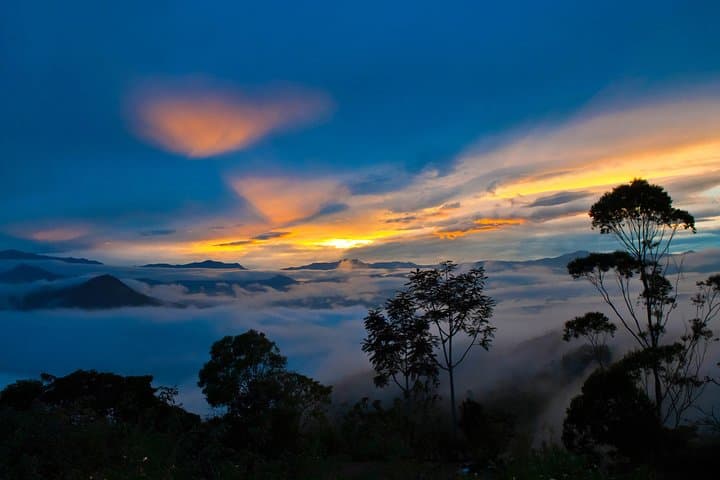
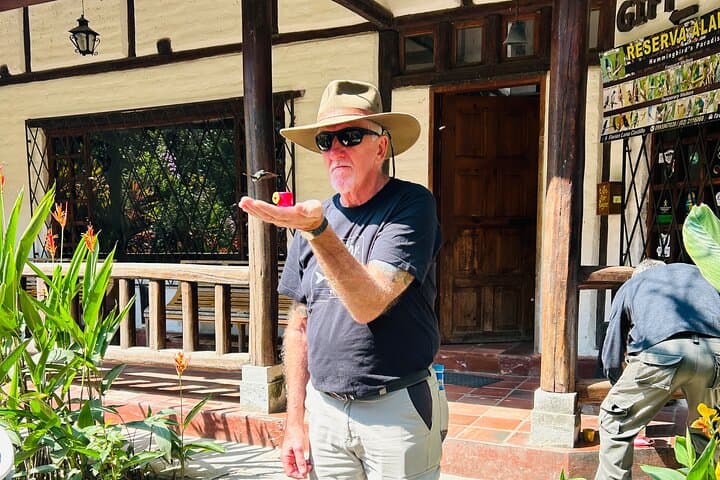
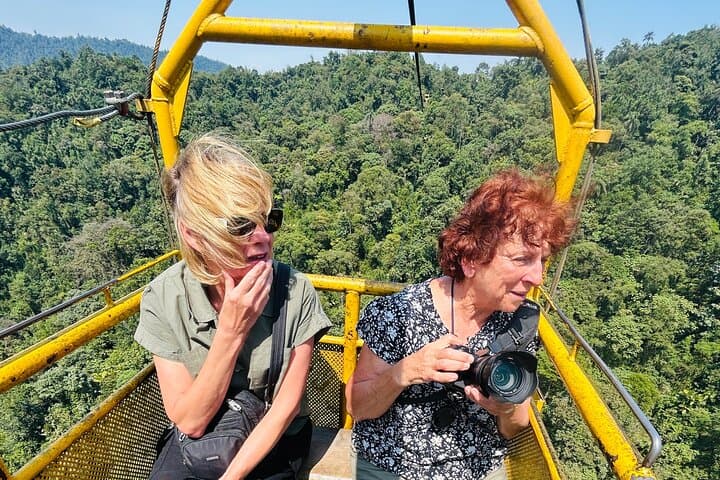
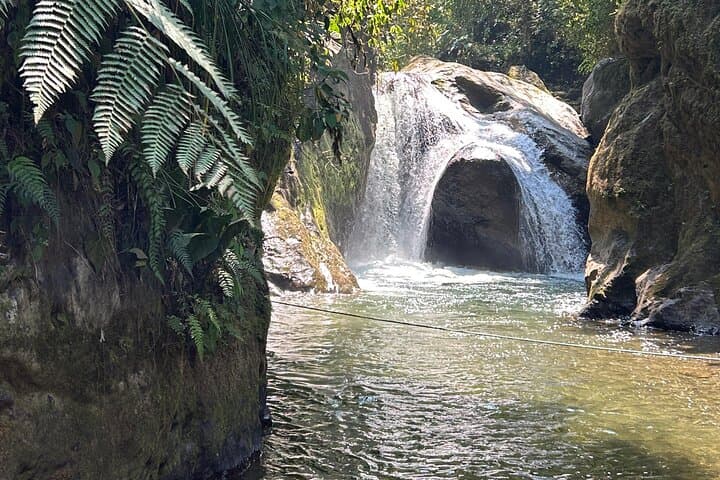
You arrive before the mist has fully lifted, and the road into Mindo peels open to a green slope that smells of wet earth and flowering orchids. Hummingbirds hover like living punctuation marks; a cable car crosses the canopy and the valley exhales beneath you. The day unfolds as a sequence of close encounters — bird blinds at Alambi, the thunder of Cascada de Nambillo, and the intimate quiet of a butterfly house.
You arrive before the mist has fully lifted, and the road into Mindo peels open to a green slope that smells of wet earth and flowering orchids. Hummingbirds hover like living punctuation marks; a cable car crosses the canopy and the valley exhales beneath you. The day unfolds as a sequence of close encounters — bird blinds at Alambi, the thunder of Cascada de Nambillo, and the intimate quiet of a butterfly house.
The cloud forest here is young geologically — Andean foothills carved by uplift and rivers — and culturally rich, where small agricultural communities mix Afro-Ecuadorian and Andean traditions. Cocoa has long been a regional crop, so the chocolate workshop ties local history to today’s artisanal economy. Trails thread through secondary forest and primary pockets, hosting orchids, bromeliads, and an outsized bird population that draws ornithologists worldwide.
Expect varied terrain: short river walks, stairs to viewpoints, and uneven jungle paths. Wildlife is active in the cooler morning hours; afternoons lean warmer and more humid. Guides typically pace the route to balance sightings with rest stops and a hands-on chocolate demo.
Practical notes: bring layered, quick-dry clothing, a lightweight rain jacket, sturdy footwear, and binoculars if you own them. Hydrate on the drive and plan for 8–10 hours including transport from Quito. Mobility limitations and pregnancy are not recommended for this itinerary; modest hikes and cable-car access are involved.
By day’s end you’ll have traded city altitude for cloud-forest humidity, with hummingbirds still ringing in your ears and a bar of locally made chocolate as a tangible souvenir of the valley.