THE ADVENTURE COLLECTIVE® · Independent discovery and booking for outdoor travel

Swap Quito’s bustle for a day in the Mindo cloud forest: bird-rich trails, a butterfly garden, canopy lines, and a hands-on chocolate tour. This private day trip packs natural history, light trekking and local culture into a single, manageable outing.
Swap Quito’s bustle for a day in the Mindo cloud forest: bird-rich trails, a butterfly garden, canopy lines, and a hands-on chocolate tour. This private day trip packs natural history, light trekking and local culture into a single, manageable outing.
The air cools as the bus slips off the Pan-American and the city drops away — Quito’s concrete gives way to a green corridor, and by the time you crest the final ridge the cloud forest opens like a living map. Mindo sits at roughly 1,200 m above sea level, a 90–120 minute drive from Quito depending on traffic, where rivers carve steep ravines and mossed trees lean over narrow trails.
Verified experiences and guided adventures in the surrounding area.
Operated by Shelter Overland Experience · Mindo, Pichincha
The air cools as the bus slips off the Pan-American and the city drops away — Quito’s concrete gives way to a green corridor, and by the time you crest the final ridge the cloud forest opens like a living map. Mindo sits at roughly 1,200 m above sea level, a 90–120 minute drive from Quito depending on traffic, where rivers carve steep ravines and mossed trees lean over narrow trails.
The valley’s human story is recent: small agricultural settlements that pivoted toward ecotourism in the late 20th century when birders and naturalists began cataloguing the area’s high species richness. Geologically the region is young — Andean uplift plus persistent humidity produced steep, erosion-prone slopes and the saturated soils that feed dozens of small waterfalls.
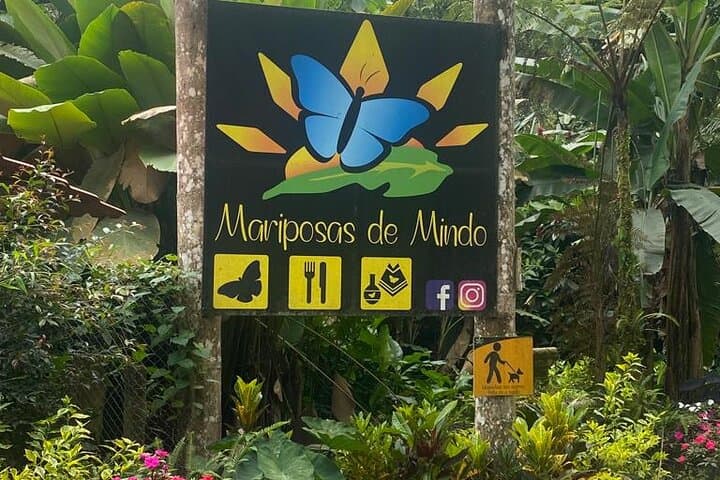
Visitors typically combine short ecological treks (2–6 km loops with 50–300 m of gain), a butterfly house visit, a guided chocolate workshop, and a canopy/zip-line run. Trails alternate between packed dirt, exposed roots and occasional muddy stretches; the birdlife is aggressive in color and plentiful — hummingbirds, tanagers and toucans are common sightings.
Practical edge: tours commonly depart Quito at 07:00 and return by mid- to late-afternoon; expect about 9–10 hours total including transport. Wear grippy hiking shoes, bring layered rain protection, and carry water and insect repellent. If you’re focused on birds, schedule early-morning time on quieter trails and hire a local guide with visual and vocal knowledge. Respect marked paths: the cloud forest’s thin soils are vulnerable to widening trails. A private day tour bundles local transport, a guide, and activity timing — ideal for travelers who want a compact, high-value introduction to northwest Ecuador’s cloud forest.
moderate.
9–10 hours (including transport).
Moderate fitness recommended; ability to walk 2–6 km on uneven terrain and negotiate stairs or short steep sections.
Expect about 1.5–2 hours each way depending on traffic and your pickup point in Quito; private transfers often leave around 07:00.
Yes — the itinerary is customizable and described as physically easy; the operator provides infant seats and can adapt activities, but those with spinal issues or pregnancy should avoid canopy elements.
Bring small cash for local crafts, snacks or additional admissions; many main attractions accept cards but smaller vendors may not.
Common sightings include numerous hummingbird species, tanagers and occasionally toucans and other canopy birds; exact sightings vary by season and time of day.
Mindo transitioned from subsistence agriculture to an ecotourism hub in the late 20th century as birdwatchers and conservationists documented the cloud forest’s biodiversity.
The cloud forest’s thin soils and high rainfall make trails vulnerable; sticking to paths, hiring local guides and buying locally made goods helps fund conservation and reduces erosion.
Shelter Overland Experience operates guided outdoor trips and adventures with an emphasis on safety, stewardship, and memorable experiences.
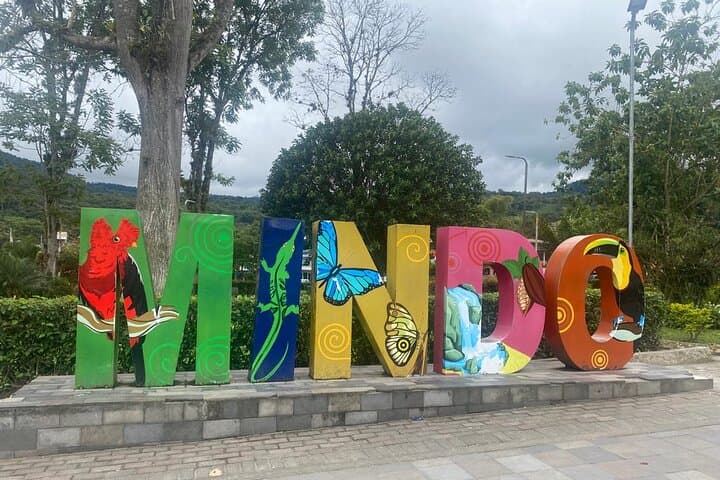


The air cools as the bus slips off the Pan-American and the city drops away — Quito’s concrete gives way to a green corridor, and by the time you crest the final ridge the cloud forest opens like a living map. Mindo sits at roughly 1,200 m above sea level, a 90–120 minute drive from Quito depending on traffic, where rivers carve steep ravines and mossed trees lean over narrow trails.
The air cools as the bus slips off the Pan-American and the city drops away — Quito’s concrete gives way to a green corridor, and by the time you crest the final ridge the cloud forest opens like a living map. Mindo sits at roughly 1,200 m above sea level, a 90–120 minute drive from Quito depending on traffic, where rivers carve steep ravines and mossed trees lean over narrow trails.
The valley’s human story is recent: small agricultural settlements that pivoted toward ecotourism in the late 20th century when birders and naturalists began cataloguing the area’s high species richness. Geologically the region is young — Andean uplift plus persistent humidity produced steep, erosion-prone slopes and the saturated soils that feed dozens of small waterfalls.
Visitors typically combine short ecological treks (2–6 km loops with 50–300 m of gain), a butterfly house visit, a guided chocolate workshop, and a canopy/zip-line run. Trails alternate between packed dirt, exposed roots and occasional muddy stretches; the birdlife is aggressive in color and plentiful — hummingbirds, tanagers and toucans are common sightings.
Practical edge: tours commonly depart Quito at 07:00 and return by mid- to late-afternoon; expect about 9–10 hours total including transport. Wear grippy hiking shoes, bring layered rain protection, and carry water and insect repellent. If you’re focused on birds, schedule early-morning time on quieter trails and hire a local guide with visual and vocal knowledge. Respect marked paths: the cloud forest’s thin soils are vulnerable to widening trails. A private day tour bundles local transport, a guide, and activity timing — ideal for travelers who want a compact, high-value introduction to northwest Ecuador’s cloud forest.