THE ADVENTURE COLLECTIVE® · Independent discovery and booking for outdoor travel

Leave Quito for a full day in Mindo’s cloud forest: hummingbird feeders, a tarabita river crossing, a hike to Mindo Nambillo Waterfall, a butterfly house, and a hands-on chocolate tasting. This guided tour balances wildlife viewing with accessible trails and practical logistics for a seamless day trip.
Leave Quito for a full day in Mindo’s cloud forest: hummingbird feeders, a tarabita river crossing, a hike to Mindo Nambillo Waterfall, a butterfly house, and a hands-on chocolate tasting. This guided tour balances wildlife viewing with accessible trails and practical logistics for a seamless day trip.
The morning breaks cool and light as a minivan peels away from Quito’s Shyris Tribune, the city dropping behind like a map folded into the highland sky. Two hours later the air thickens and smells of wet earth; the cloud forest steps forward, a green wall alive with fluttering wings and the metallic chitter of hummingbirds. At Mirador Guaycapi, feeders draw tiny torpedoes of color—rufous-tailed and velvet-purple hummingbirds—while squirrels scavenge underfoot. The guide’s binoculars become a small theater; every leaf quivers with possibility.
Verified experiences and guided adventures in the surrounding area.
Operated by Quilla Tour Ec · Mindo, Pichincha
The morning breaks cool and light as a minivan peels away from Quito’s Shyris Tribune, the city dropping behind like a map folded into the highland sky. Two hours later the air thickens and smells of wet earth; the cloud forest steps forward, a green wall alive with fluttering wings and the metallic chitter of hummingbirds. At Mirador Guaycapi, feeders draw tiny torpedoes of color—rufous-tailed and velvet-purple hummingbirds—while squirrels scavenge underfoot. The guide’s binoculars become a small theater; every leaf quivers with possibility.
Geology and history here are intimate. The western Andean flanks where Mindo sits are a meeting place of Pacific moisture and steep volcanic slopes, creating the fog and moss that make this forest unusually biodiverse. Settlements in the valley grew around cacao and subsistence farming; today artisan chocolate connects the region’s colonial and pre-colonial past with modern eco-tourism. The cloud forest isn’t passive scenery—rivers push and pull at the valleys, and the tarabita (a hand-operated cable car) crosses the gorge as if daring travelers to trust the rope and the wind.
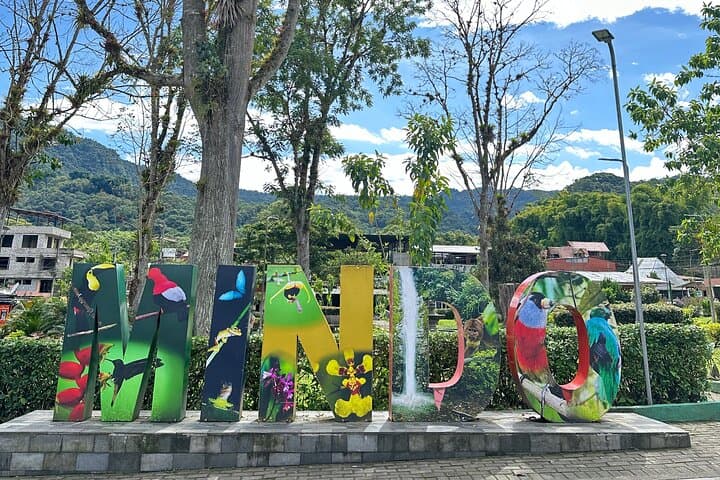
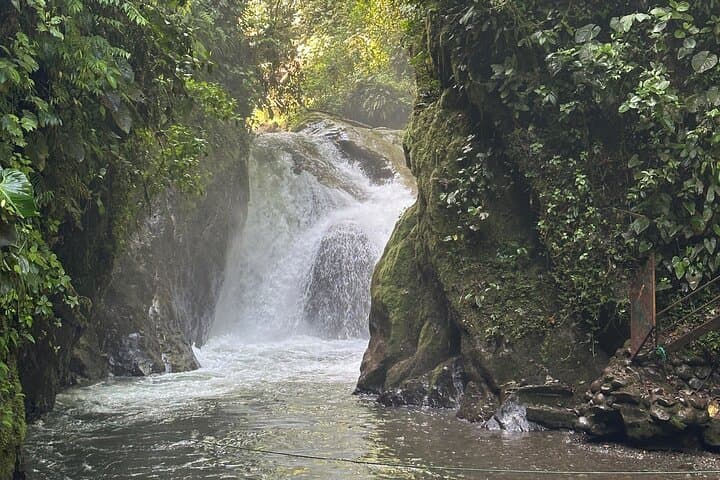
The day moves at a steady, physical rhythm. You cross the river in a tarabita, then take a well-trodden trail that descends through mossed trunks to the Mindo Nambillo Waterfall. Expect damp rock and steps; the falls are muscular after rain, a plummeting sheet that invites a careful approach and a cool, breathing pause. The butterfly house that follows reframes the forest in miniature—pupa, chrysalis, wing—and gives context to the insects that feed and pollinate this place.
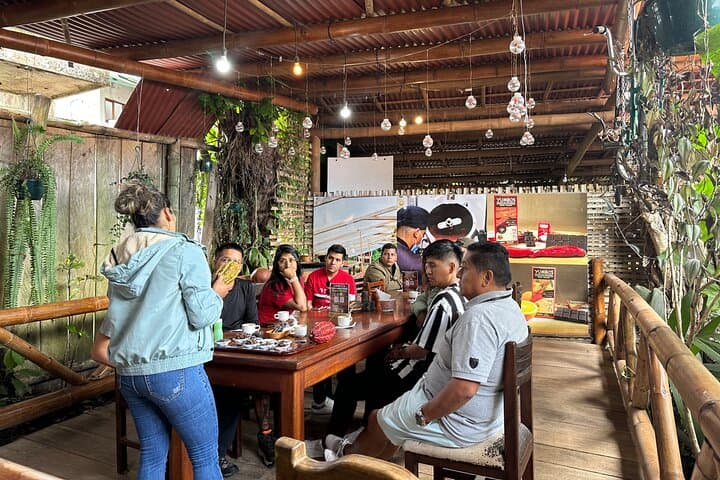
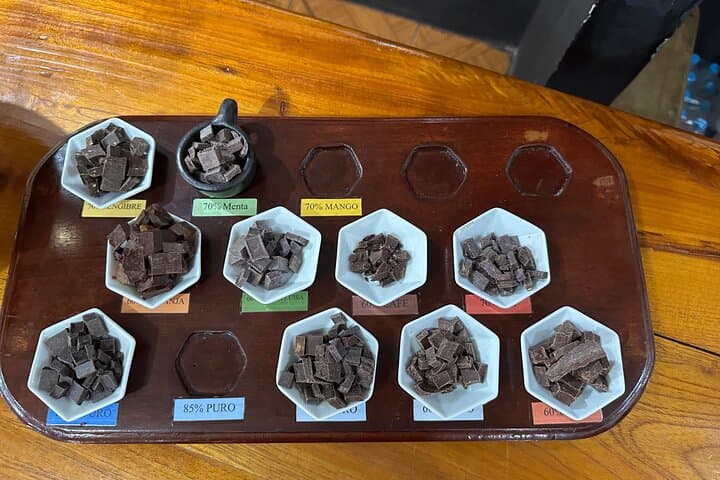
Practicalities matter: the full itinerary runs about 10 hours, includes transportation from Quito, and mixes short hikes with guided stops. Trails vary from flat observation platforms to slippery, uneven paths; a moderate fitness level and sensible footwear keep the day enjoyable. The chocolate factory visit is both cultural and delicious—learn about fermentation, drying, grinding, then taste single-origin bars that emphasize Ecuador’s fine cacao.
Timing is simple: mornings are best for birds, mid-afternoon brings stronger waterfall flow, and bring layers—the microclimate shifts quickly. Respect the habitat: stay on trails, keep noise low in the bird areas, and avoid single-use plastics where possible. For travelers who want a compact encounter with Ecuador’s cloud forest—hummingbirds in flight, a river daring you to cross, and the slow alchemy of cacao into chocolate—this day tour delivers a clear, tactile sense of place with practical logistics to match.
moderate.
10 hours.
Moderate fitness is recommended—short hikes and stair-like terrain with some elevation changes.
The operator lists the total duration as about 10 hours, which includes round-trip transport between Quito and Mindo plus guided stops.
The tarabita is commonly used and operated by local guides; children should be supervised and hold on during the crossing—infants are required to sit on an adult’s lap per the tour notes.
The itinerary indicates waterfall admission is included for shared tours; confirm exact inclusions with the operator at booking.
This tour is not recommended for travelers with spinal, pregnant, or serious cardiovascular conditions because of vehicle travel and walking on uneven terrain.
Have a light, energy-rich breakfast; there are brief food stops but most time is spent on trails and short visits.
The listing offers both private and shared options; shared tours cap at around 15 people while private tours allow customized pacing.
Mindo developed around agriculture and cacao cultivation; in recent decades eco-tourism centered on its cloud forest biodiversity has reshaped the local economy.
Mindo’s cloud forest is fragmented; choose operators who support local conservation and stick to marked trails to minimize impact.
Quilla Tour Ec operates guided outdoor trips and adventures with an emphasis on safety, stewardship, and memorable experiences.
The morning breaks cool and light as a minivan peels away from Quito’s Shyris Tribune, the city dropping behind like a map folded into the highland sky. Two hours later the air thickens and smells of wet earth; the cloud forest steps forward, a green wall alive with fluttering wings and the metallic chitter of hummingbirds. At Mirador Guaycapi, feeders draw tiny torpedoes of color—rufous-tailed and velvet-purple hummingbirds—while squirrels scavenge underfoot. The guide’s binoculars become a small theater; every leaf quivers with possibility.
The morning breaks cool and light as a minivan peels away from Quito’s Shyris Tribune, the city dropping behind like a map folded into the highland sky. Two hours later the air thickens and smells of wet earth; the cloud forest steps forward, a green wall alive with fluttering wings and the metallic chitter of hummingbirds. At Mirador Guaycapi, feeders draw tiny torpedoes of color—rufous-tailed and velvet-purple hummingbirds—while squirrels scavenge underfoot. The guide’s binoculars become a small theater; every leaf quivers with possibility.
Geology and history here are intimate. The western Andean flanks where Mindo sits are a meeting place of Pacific moisture and steep volcanic slopes, creating the fog and moss that make this forest unusually biodiverse. Settlements in the valley grew around cacao and subsistence farming; today artisan chocolate connects the region’s colonial and pre-colonial past with modern eco-tourism. The cloud forest isn’t passive scenery—rivers push and pull at the valleys, and the tarabita (a hand-operated cable car) crosses the gorge as if daring travelers to trust the rope and the wind.
The day moves at a steady, physical rhythm. You cross the river in a tarabita, then take a well-trodden trail that descends through mossed trunks to the Mindo Nambillo Waterfall. Expect damp rock and steps; the falls are muscular after rain, a plummeting sheet that invites a careful approach and a cool, breathing pause. The butterfly house that follows reframes the forest in miniature—pupa, chrysalis, wing—and gives context to the insects that feed and pollinate this place.
Practicalities matter: the full itinerary runs about 10 hours, includes transportation from Quito, and mixes short hikes with guided stops. Trails vary from flat observation platforms to slippery, uneven paths; a moderate fitness level and sensible footwear keep the day enjoyable. The chocolate factory visit is both cultural and delicious—learn about fermentation, drying, grinding, then taste single-origin bars that emphasize Ecuador’s fine cacao.
Timing is simple: mornings are best for birds, mid-afternoon brings stronger waterfall flow, and bring layers—the microclimate shifts quickly. Respect the habitat: stay on trails, keep noise low in the bird areas, and avoid single-use plastics where possible. For travelers who want a compact encounter with Ecuador’s cloud forest—hummingbirds in flight, a river daring you to cross, and the slow alchemy of cacao into chocolate—this day tour delivers a clear, tactile sense of place with practical logistics to match.