THE ADVENTURE COLLECTIVE® · Independent discovery and booking for outdoor travel

Early-morning drives and patient canopy scanning define Mindo birdwatching tours. Expect rich cloud-forest birdlife, bilingual guides, included binoculars, and options from quick half-days to full-day reserve visits.
Early-morning drives and patient canopy scanning define Mindo birdwatching tours. Expect rich cloud-forest birdlife, bilingual guides, included binoculars, and options from quick half-days to full-day reserve visits.
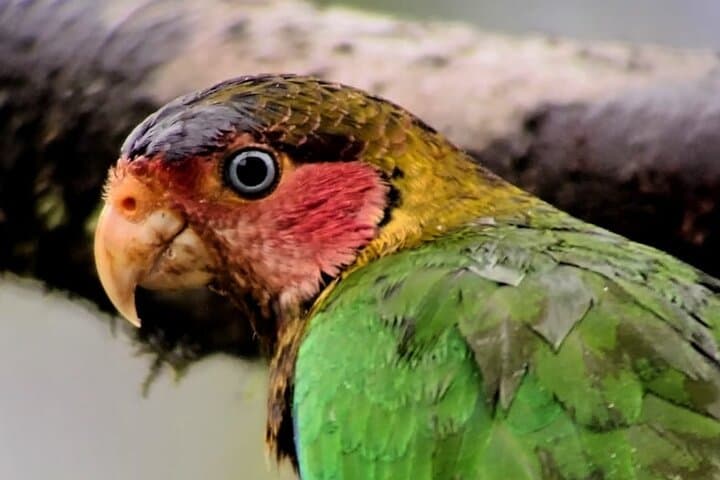
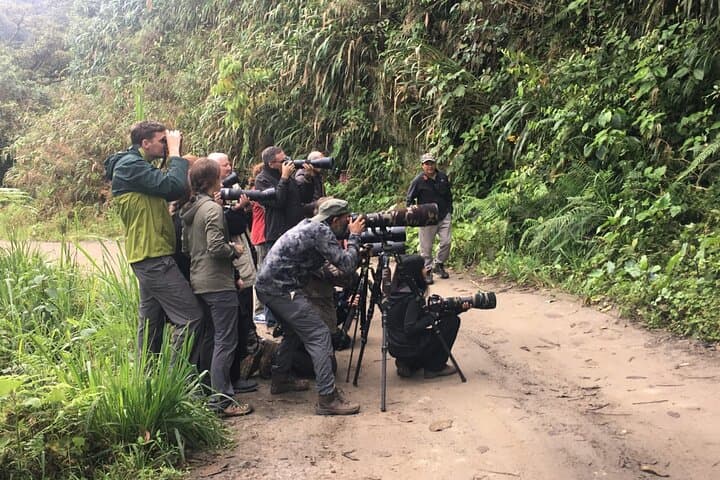
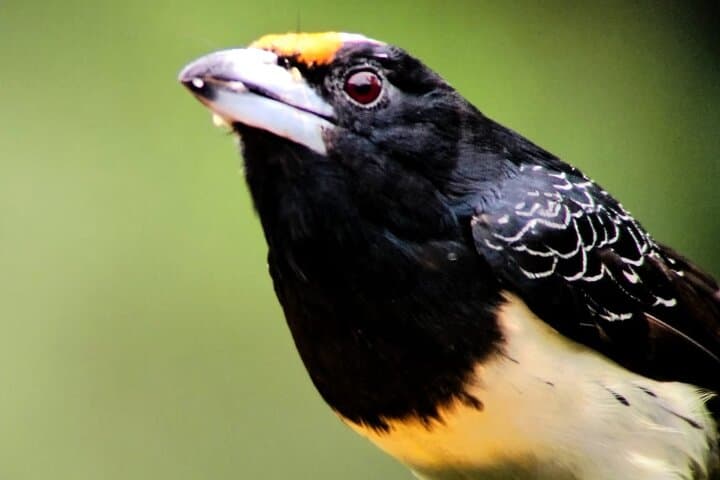
Morning fog lifts from moss-draped trunks as a small convoy threads the narrow road out of Mindo. Guides in the front seat scan the canopy while binoculars click open in the back; the forest answers with rapid flashes of color—tanagers, toucans and a cobalt jay that seems to rewrite the morning.
Verified experiences and guided adventures in the surrounding area.
Operated by Mindo Birdwatching Expeditions A.s. · Mindo, Pichincha
Morning fog lifts from moss-draped trunks as a small convoy threads the narrow road out of Mindo. Guides in the front seat scan the canopy while binoculars click open in the back; the forest answers with rapid flashes of color—tanagers, toucans and a cobalt jay that seems to rewrite the morning.
The cloud forest around Mindo sits on the western slopes of the Andes where Andean geology creates cool, humid microclimates ideal for high bird diversity. Historically a crossroads between Pacific lowlands and Andean highlands, this corridor concentrates species from multiple ecosystems. Local communities have woven birding into their economies—guides, small reserves and family-run lodges sustain conservation efforts and cultural exchange.
Tours range from short half-day outings to full-day excursions that visit reserves such as Nambillo, Mashpi and private patches near Milpe. Expect early pick-ups (often before dawn) and drives of 25–40 minutes to reach lek sites and feeding trails. Guides provide binoculars and binoculars are included, but personal optics let you linger longer at a rare sighting.
Practically: move quietly, favor slow scanning over short sprints, and plan for wet trails and early starts. Carry a light waterproof layer, reliable footwear with grip, and snacks or electrolytes for longer days. Mornings are prime—dawn chorus and calm air improve sightings—while afternoons can bring rain and quieter activity.
For first-timers and veteran birders alike, Mindo delivers concentrated diversity in compact, walkable terrain—an efficient way to rack up lifers while supporting local conservation.
moderate.
3–8 hours.
Light to moderate fitness; participants should be able to walk uneven trails for several hours and tolerate early starts.
Tours typically include private transport, a bilingual guide, binoculars, and breakfast or lunch on full-day options; hotel pick-up is provided.
Early morning is best—dawn to mid-morning—and many tours depart before sunrise to reach prime habitats at first light.
Yes; tours are labeled physically easy and generally suitable for all ages, though early pick-ups and uneven trails require basic mobility.
Half-day tours typically record 30–40 species, while full-day reserve visits can document 60 or more, depending on season and weather.
Mindo’s location on the western Andean slopes created an intersection of Pacific and Andean species; local agriculture and conservation initiatives evolved alongside growing bird tourism.
Small reserves and community-run lodges focus on habitat protection and responsible guiding—visitors should stay on trails and support local conservation fees.
Mindo Birdwatching Expeditions A.s. operates guided outdoor trips and adventures with an emphasis on safety, stewardship, and memorable experiences.

Morning fog lifts from moss-draped trunks as a small convoy threads the narrow road out of Mindo. Guides in the front seat scan the canopy while binoculars click open in the back; the forest answers with rapid flashes of color—tanagers, toucans and a cobalt jay that seems to rewrite the morning.
Morning fog lifts from moss-draped trunks as a small convoy threads the narrow road out of Mindo. Guides in the front seat scan the canopy while binoculars click open in the back; the forest answers with rapid flashes of color—tanagers, toucans and a cobalt jay that seems to rewrite the morning.
The cloud forest around Mindo sits on the western slopes of the Andes where Andean geology creates cool, humid microclimates ideal for high bird diversity. Historically a crossroads between Pacific lowlands and Andean highlands, this corridor concentrates species from multiple ecosystems. Local communities have woven birding into their economies—guides, small reserves and family-run lodges sustain conservation efforts and cultural exchange.
Tours range from short half-day outings to full-day excursions that visit reserves such as Nambillo, Mashpi and private patches near Milpe. Expect early pick-ups (often before dawn) and drives of 25–40 minutes to reach lek sites and feeding trails. Guides provide binoculars and binoculars are included, but personal optics let you linger longer at a rare sighting.
Practically: move quietly, favor slow scanning over short sprints, and plan for wet trails and early starts. Carry a light waterproof layer, reliable footwear with grip, and snacks or electrolytes for longer days. Mornings are prime—dawn chorus and calm air improve sightings—while afternoons can bring rain and quieter activity.
For first-timers and veteran birders alike, Mindo delivers concentrated diversity in compact, walkable terrain—an efficient way to rack up lifers while supporting local conservation.