THE ADVENTURE COLLECTIVE® · Independent discovery and booking for outdoor travel

Join an early-morning guided walk from Mindo’s central plaza into the Andean Chocó cloud forest. Expect hummingbird feeders, trogon calls, and a guided three-hour survey that highlights the region’s extraordinary bird diversity.
Join an early-morning guided walk from Mindo’s central plaza into the Andean Chocó cloud forest. Expect hummingbird feeders, trogon calls, and a guided three-hour survey that highlights the region’s extraordinary bird diversity.
Before sunrise, Mindo’s central plaza feels like a watch post: lanterns dim, guides check scopes, and the forest beyond breathes mist. From that meeting point you step into the Andean Chocó cloud forest—an intimate, green world where hummingbirds dart like living punctuation and trogons call from mossy perches.
Verified experiences and guided adventures in the surrounding area.
Operated by Galapagos My World · Mindo, Pichincha
Before sunrise, Mindo’s central plaza feels like a watch post: lanterns dim, guides check scopes, and the forest beyond breathes mist. From that meeting point you step into the Andean Chocó cloud forest—an intimate, green world where hummingbirds dart like living punctuation and trogons call from mossy perches.
This part of Ecuador sits on the western flank of the northern Andes, where volcanic soils and steep ridgelines create microhabitats rich in endemic and migrant birds. Culturally, Mindo grew from small farming and cacao communities into a conservation-minded hub; local families host feeders and breakfasts that connect livelihoods to protection of the forest.
On a well-run guided walk (about three hours), expect a mix of maintained trails, short climbs, and viewing platforms. Guides use feeders and quiet blinds to showcase species such as quetzals, trogons, tanagers, and a corridor of hummingbird species at high frequency. Physically, trails can be muddy and root-strewn; elevation sits roughly around 1,100–1,400 m, so air is cool and breathable but changeable.
Plan practicalities: meet early (guides often start pre-dawn), bring binoculars and a scope if you have them, dress in layers and waterproofs, and use quiet footwear. Respect local protocols—no sudden movements near feeders and keep voices low to avoid flushing birds. With responsible spotting, you’ll leave with sharp photos, a longer species list, and a clear sense of how local conservation and community tourism keep this cloud forest alive.
moderate.
3 hours.
Moderate fitness recommended—short uphill sections and standing at viewing points; comfortable walking for a few kilometers.
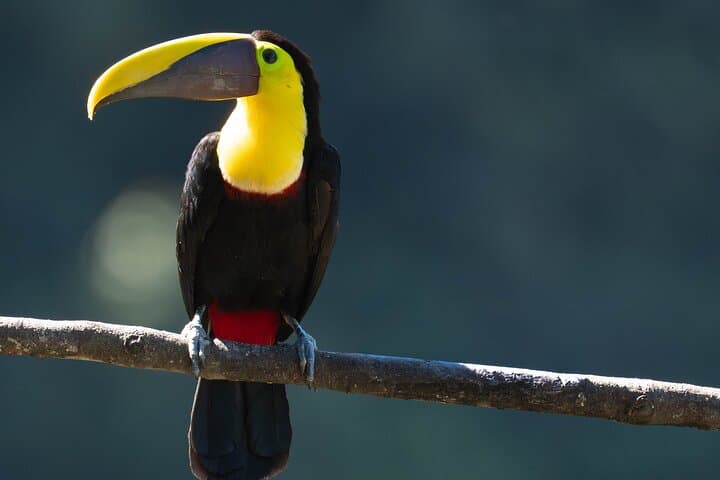
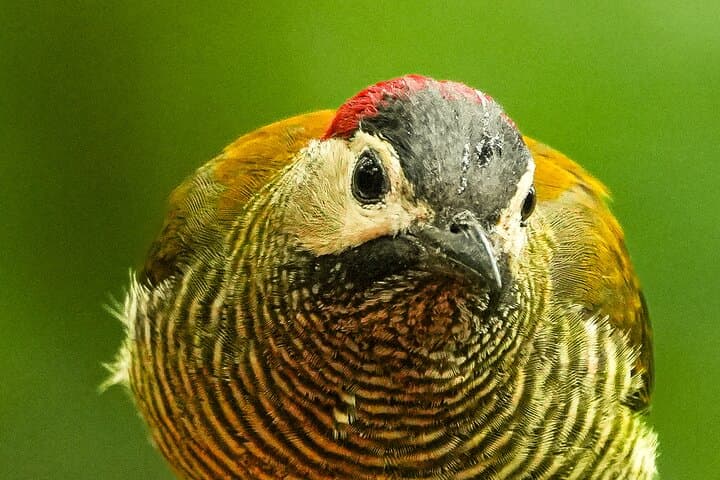
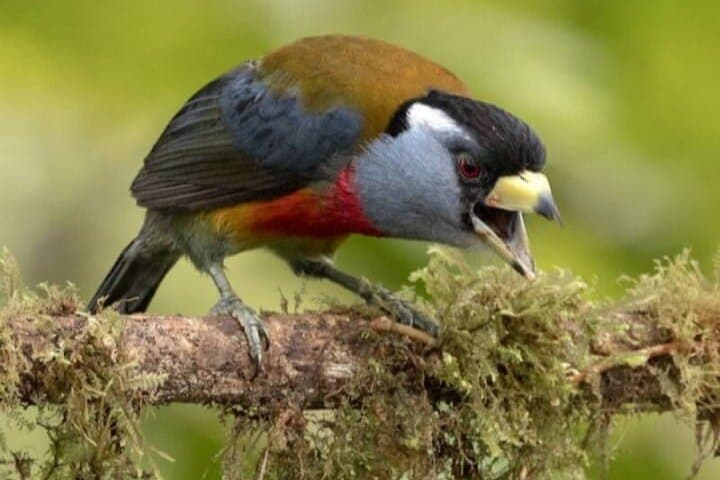
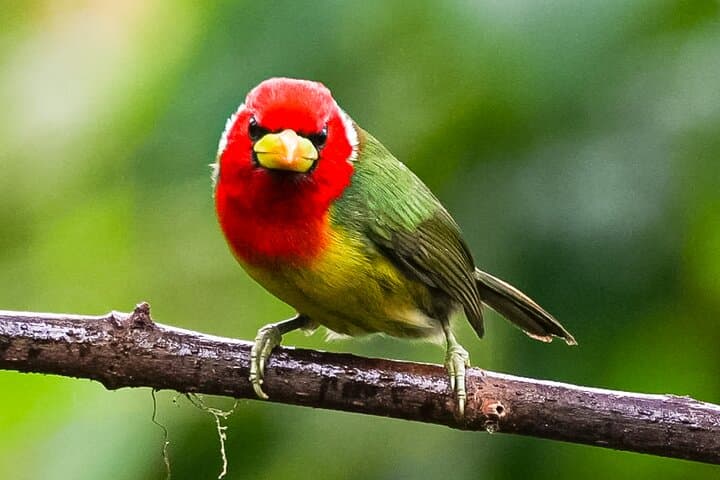
On a typical three-hour morning walk guides often record 60–90 species when conditions are good, with watchers commonly spotting hummingbirds, tanagers, trogons and occasionally a quetzal.
Yes if they have moderate mobility—paths are generally short but can be uneven; notify the operator of mobility concerns when booking.
The tour supplies a telescope and binoculars may be available, but bringing personal binoculars improves your chances to quickly spot and ID birds.
Mindo is a cloud forest—expect cool, humid conditions with possible mist or light rain even during the dry months; dress in layers and bring waterproofs.
Mindo’s economy shifted from subsistence farming to eco-tourism in the late 20th century, driven by birding interest and community conservation projects.
Local lodges and families operate feeders and reserves under community-led conservation programs; staying on marked trails and supporting local guides helps minimize disturbance to sensitive habitat.
Galapagos My World operates guided outdoor trips and adventures with an emphasis on safety, stewardship, and memorable experiences.
Before sunrise, Mindo’s central plaza feels like a watch post: lanterns dim, guides check scopes, and the forest beyond breathes mist. From that meeting point you step into the Andean Chocó cloud forest—an intimate, green world where hummingbirds dart like living punctuation and trogons call from mossy perches.
Before sunrise, Mindo’s central plaza feels like a watch post: lanterns dim, guides check scopes, and the forest beyond breathes mist. From that meeting point you step into the Andean Chocó cloud forest—an intimate, green world where hummingbirds dart like living punctuation and trogons call from mossy perches.
This part of Ecuador sits on the western flank of the northern Andes, where volcanic soils and steep ridgelines create microhabitats rich in endemic and migrant birds. Culturally, Mindo grew from small farming and cacao communities into a conservation-minded hub; local families host feeders and breakfasts that connect livelihoods to protection of the forest.
On a well-run guided walk (about three hours), expect a mix of maintained trails, short climbs, and viewing platforms. Guides use feeders and quiet blinds to showcase species such as quetzals, trogons, tanagers, and a corridor of hummingbird species at high frequency. Physically, trails can be muddy and root-strewn; elevation sits roughly around 1,100–1,400 m, so air is cool and breathable but changeable.
Plan practicalities: meet early (guides often start pre-dawn), bring binoculars and a scope if you have them, dress in layers and waterproofs, and use quiet footwear. Respect local protocols—no sudden movements near feeders and keep voices low to avoid flushing birds. With responsible spotting, you’ll leave with sharp photos, a longer species list, and a clear sense of how local conservation and community tourism keep this cloud forest alive.