THE ADVENTURE COLLECTIVE® · Independent discovery and booking for outdoor travel

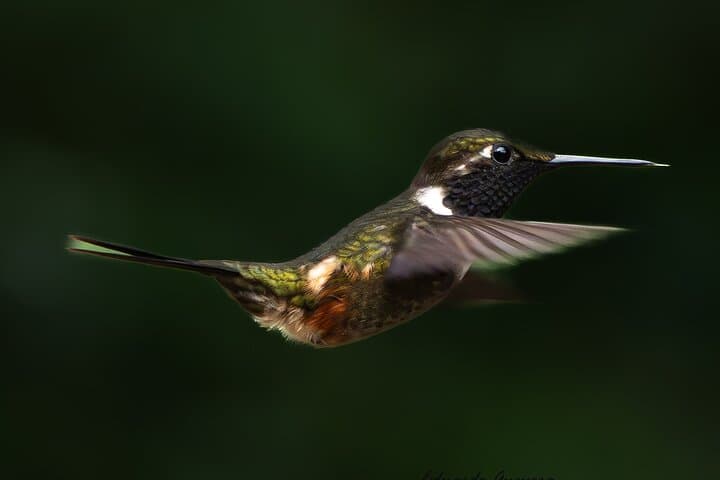
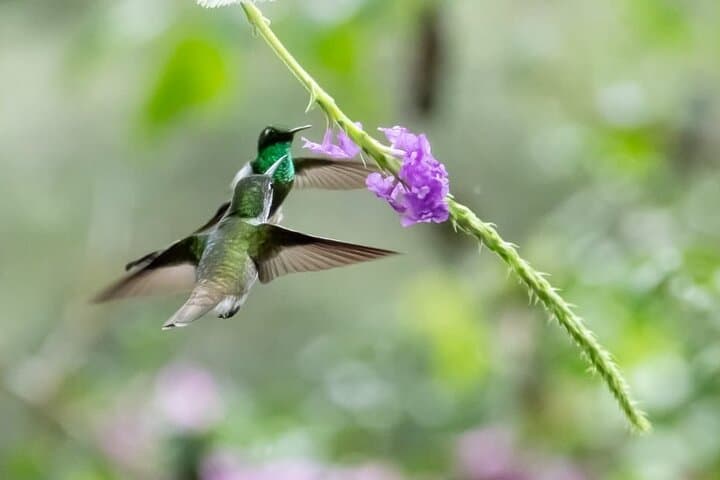
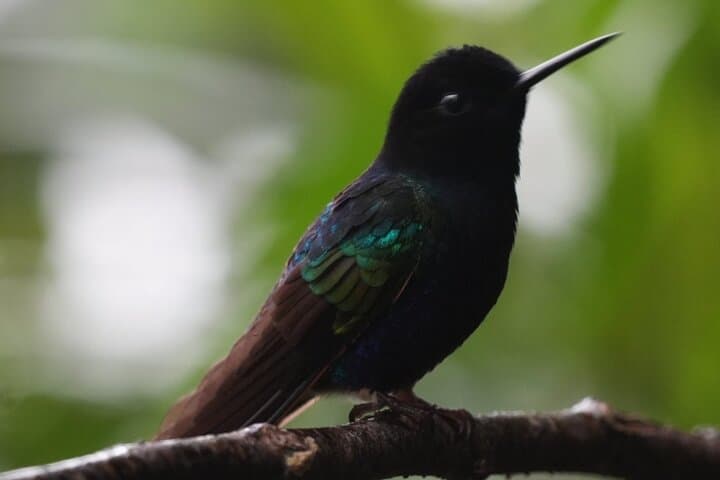
Three days of guided birding from Quito into the cloud forests of Mindo, Tandayapa, and Mashpi—timed for dawn feeder action and lek displays. Expect hummingbirds, toucans, tanagers, and the Andean Cock-of-the-rock across varied elevations.
Three days of guided birding from Quito into the cloud forests of Mindo, Tandayapa, and Mashpi—timed for dawn feeder action and lek displays. Expect hummingbirds, toucans, tanagers, and the Andean Cock-of-the-rock across varied elevations.
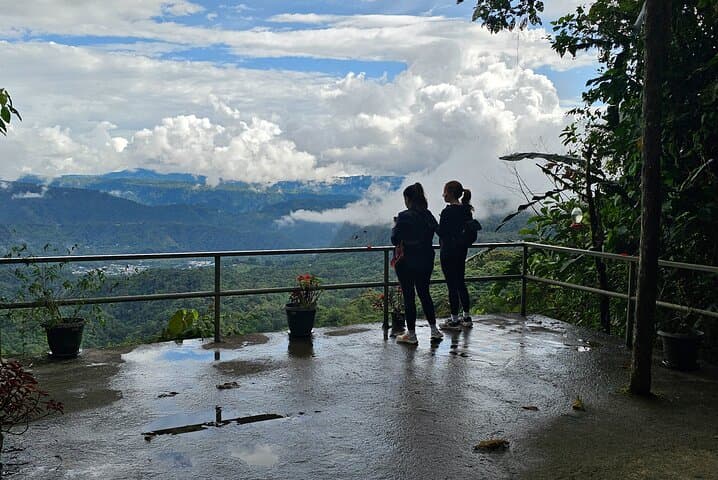
A cool pre-dawn fog presses through the cloud forest as headlamps bob along the trail. In that dim hour the forest answers with metallic trill of hummingbirds and the high, ringing calls of tanagers; the Andean Cock-of-the-rock punctuates the canopy with a flash of orange. This three-day route moves from Quito’s high Andean foothills into the Chocó-Andino cloud forests—each day staged to put you at productive elevations at first light.
Verified experiences and guided adventures in the surrounding area.
Operated by Galapagos My World · Mindo, Pichincha
A cool pre-dawn fog presses through the cloud forest as headlamps bob along the trail. In that dim hour the forest answers with metallic trill of hummingbirds and the high, ringing calls of tanagers; the Andean Cock-of-the-rock punctuates the canopy with a flash of orange. This three-day route moves from Quito’s high Andean foothills into the Chocó-Andino cloud forests—each day staged to put you at productive elevations at first light.
Geology here is youthful: eroded volcanic slopes and steep ravines channel moisture from the Pacific, creating the persistent clouds that feed epiphytes, orchids, and a dizzying variety of feeders. Culturally, small mountain communities around Tandayapa and Mindo have shifted toward ecotourism in recent decades, trading cattle pasture for reserve protection and guided trails.
Expect morning stakeouts at hummingbird feeders and hides, valley trails through dense understory, and short, sometimes slippery walks to lek sites where cock-of-the-rocks perform. Guides use local knowledge to time visits for peak activity — dawn through mid-morning is prime. Physically, the days are moderate: multiple short hikes at 1,200–2,200 m (3,900–7,200 ft) with uneven, muddy terrain after rain.
Practical tips: travel light with layers for rapid temperature shifts; bring a spotting scope or long lens if you have one; plan for early wake-ups and quiet movement; and support local guides who direct fees into conservation. With binoculars up and patience steadied, this circuit delivers close, unforgettable encounters with one of the world’s richest bird regions.
moderate.
3 days.
Moderate fitness: able to hike short to medium trails (30–90 minutes) on uneven, sometimes muddy terrain and tolerate early mornings
Pickup and field starts are typically before dawn (around 4:30–6:00 a.m.) to reach feeders and lek sites at peak activity.
Yes—guides cater to beginners and offer assistance with identification and optics setup; basic mobility for short hikes is required.
The tour description lists an all-inclusive package and entrance fees to reserves are covered; confirm specific meal arrangements when booking.
Hikes are generally short to moderate and occur between roughly 1,200–2,200 meters; altitude acclimatization from Quito (2,850 m) is recommended but long ascents are limited.
Local communities in Pichincha have shifted toward conservation-minded ecotourism over the past 20–30 years, establishing reserves and lodges that protect cloud forest corridors.
Tour fees and guided visits support local reserve management; visitors should stick to trails, avoid flash photography at leks, and minimize waste to reduce impact.
Galapagos My World operates guided outdoor trips and adventures with an emphasis on safety, stewardship, and memorable experiences.
A cool pre-dawn fog presses through the cloud forest as headlamps bob along the trail. In that dim hour the forest answers with metallic trill of hummingbirds and the high, ringing calls of tanagers; the Andean Cock-of-the-rock punctuates the canopy with a flash of orange. This three-day route moves from Quito’s high Andean foothills into the Chocó-Andino cloud forests—each day staged to put you at productive elevations at first light.
A cool pre-dawn fog presses through the cloud forest as headlamps bob along the trail. In that dim hour the forest answers with metallic trill of hummingbirds and the high, ringing calls of tanagers; the Andean Cock-of-the-rock punctuates the canopy with a flash of orange. This three-day route moves from Quito’s high Andean foothills into the Chocó-Andino cloud forests—each day staged to put you at productive elevations at first light.
Geology here is youthful: eroded volcanic slopes and steep ravines channel moisture from the Pacific, creating the persistent clouds that feed epiphytes, orchids, and a dizzying variety of feeders. Culturally, small mountain communities around Tandayapa and Mindo have shifted toward ecotourism in recent decades, trading cattle pasture for reserve protection and guided trails.
Expect morning stakeouts at hummingbird feeders and hides, valley trails through dense understory, and short, sometimes slippery walks to lek sites where cock-of-the-rocks perform. Guides use local knowledge to time visits for peak activity — dawn through mid-morning is prime. Physically, the days are moderate: multiple short hikes at 1,200–2,200 m (3,900–7,200 ft) with uneven, muddy terrain after rain.
Practical tips: travel light with layers for rapid temperature shifts; bring a spotting scope or long lens if you have one; plan for early wake-ups and quiet movement; and support local guides who direct fees into conservation. With binoculars up and patience steadied, this circuit delivers close, unforgettable encounters with one of the world’s richest bird regions.