THE ADVENTURE COLLECTIVE® · Independent discovery and booking for outdoor travel

Mix calm city sightseeing with a short high-speed thrill on a jet boat through Yokohama’s Minato Mirai. This quick cruise delivers skyline views, waterfront history, and a 5–10 minute adrenaline finale—ideal for visitors short on time.
Mix calm city sightseeing with a short high-speed thrill on a jet boat through Yokohama’s Minato Mirai. This quick cruise delivers skyline views, waterfront history, and a 5–10 minute adrenaline finale—ideal for visitors short on time.
The boat slips from the pier and the Minato Mirai skyline unwraps—Landmark Tower rises, the Red Brick Warehouse keeps its brick-faced watch, and the Cosmo World Ferris wheel blinks against the water. For the next stretch you glide: thirty minutes of slow, easy sightseeing where the city loosens its pace and the bay takes on a glassy, reflective hush.
Verified experiences and guided adventures in the surrounding area.
Operated by C365 · Yokohama, Kanagawa
The boat slips from the pier and the Minato Mirai skyline unwraps—Landmark Tower rises, the Red Brick Warehouse keeps its brick-faced watch, and the Cosmo World Ferris wheel blinks against the water. For the next stretch you glide: thirty minutes of slow, easy sightseeing where the city loosens its pace and the bay takes on a glassy, reflective hush.
Yokohama’s waterfront is a living chapter of Japan’s modern era. After the port opened in 1859 it became a gateway for trade and foreign culture; the brick warehouses and port museums carry that layered history. Geologically, this stretch sits on reclaimed shoreline along Tokyo Bay, shaped by centuries of tidal action and 19th–20th century engineering.
Culture here is urban and maritime — Chinatown’s lanterns and ramen shops sit a short walk from docks where ferries and private craft pass. Locals prize evening runs along the promenade; photographers line the piers at sunset.
Then the ride shifts. Expect a 5–10 minute adrenaline burst: jet thrust, sharp turns, the city rushing past in a blur. It’s short, controlled, and designed to thrill before returning to calm.
Practical guidance: arrive at least 30 minutes early for check-in, secure loose gear, and plan for wind and spray—layers and a light windbreaker work best. If you’re sensitive to motion, take preventive medication. Cameras are welcome but use straps and quick-dry bags. Evening bookings are ideal for city lights; daytime runs emphasize skyline detail. The operator notes health restrictions for passengers with spinal, heart, or pregnancy concerns and recommends moderate-to-high fitness for the high-speed portion. This combo of sightseeing and speed makes Minato Mirai cruising an accessible, compact way to experience Yokohama’s waterfront energy.
easy.
45 minutes (90 minutes including check-in).
Suitable for most people with basic mobility; high-speed portion requires ability to brace and hold on.
The advertised cruising time is about 45 minutes on the water (roughly 30 minutes sightseeing plus 5–10 minutes of high-speed), though booking windows are often 90 minutes including check-in.
Children are typically allowed but operators set minimum age or height limits and require adult supervision; check with the operator when booking.
Trips may be canceled for rough weather; the standard policy allows full refunds if canceled at least 24 hours prior or if the operator cancels due to conditions.
Boarding a small jet boat requires stepping down and holding rails; people with limited mobility should contact the operator ahead of time to confirm accessibility and assistance options.
Yokohama opened as one of Japan’s first treaty ports in 1859, quickly becoming a hub for international trade and the modernizing influences that shaped its waterfront architecture.
Operators emphasize low-emission engines and reduced wake routes near sensitive shorelines; visitors can help by avoiding single-use plastics and disposing of waste at shore facilities.
C365 operates guided outdoor trips and adventures with an emphasis on safety, stewardship, and memorable experiences.
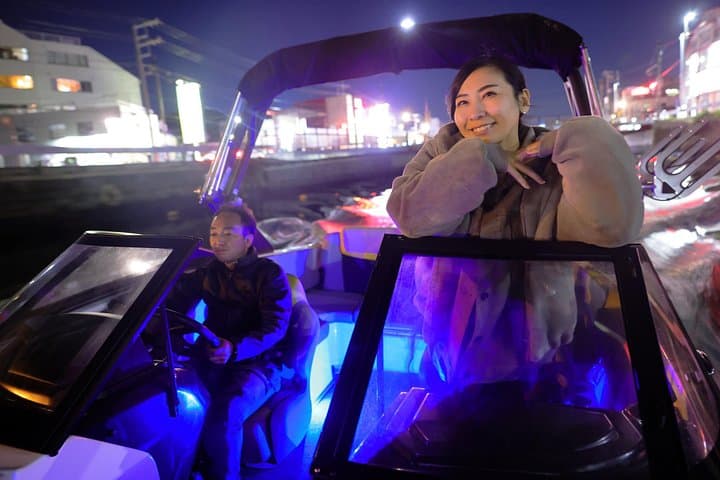
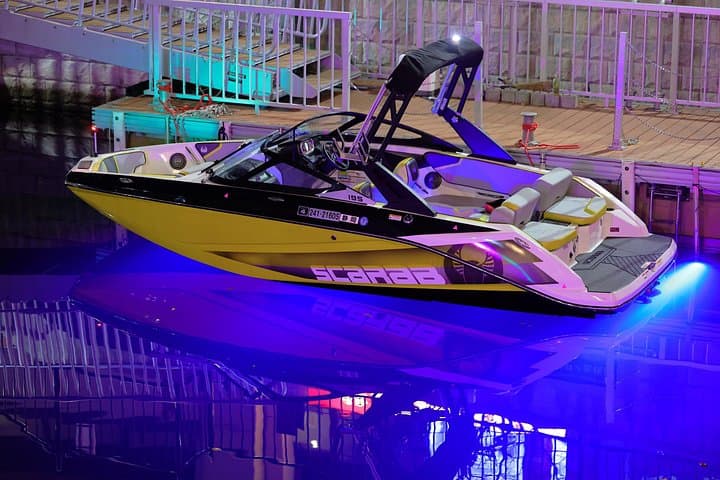
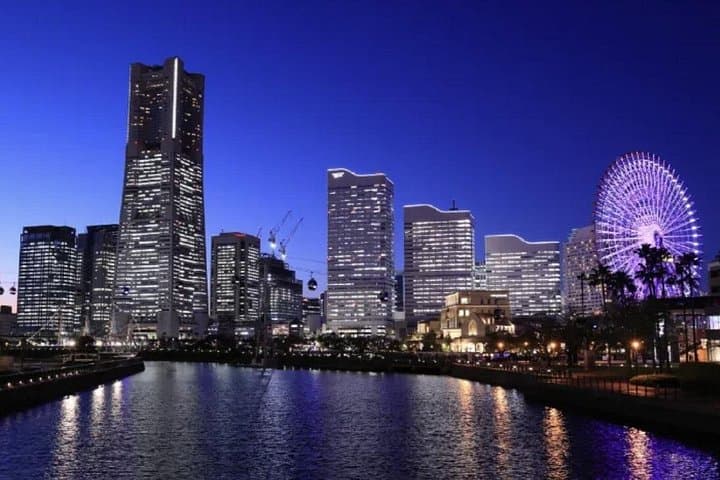
The boat slips from the pier and the Minato Mirai skyline unwraps—Landmark Tower rises, the Red Brick Warehouse keeps its brick-faced watch, and the Cosmo World Ferris wheel blinks against the water. For the next stretch you glide: thirty minutes of slow, easy sightseeing where the city loosens its pace and the bay takes on a glassy, reflective hush.
The boat slips from the pier and the Minato Mirai skyline unwraps—Landmark Tower rises, the Red Brick Warehouse keeps its brick-faced watch, and the Cosmo World Ferris wheel blinks against the water. For the next stretch you glide: thirty minutes of slow, easy sightseeing where the city loosens its pace and the bay takes on a glassy, reflective hush.
Yokohama’s waterfront is a living chapter of Japan’s modern era. After the port opened in 1859 it became a gateway for trade and foreign culture; the brick warehouses and port museums carry that layered history. Geologically, this stretch sits on reclaimed shoreline along Tokyo Bay, shaped by centuries of tidal action and 19th–20th century engineering.
Culture here is urban and maritime — Chinatown’s lanterns and ramen shops sit a short walk from docks where ferries and private craft pass. Locals prize evening runs along the promenade; photographers line the piers at sunset.
Then the ride shifts. Expect a 5–10 minute adrenaline burst: jet thrust, sharp turns, the city rushing past in a blur. It’s short, controlled, and designed to thrill before returning to calm.
Practical guidance: arrive at least 30 minutes early for check-in, secure loose gear, and plan for wind and spray—layers and a light windbreaker work best. If you’re sensitive to motion, take preventive medication. Cameras are welcome but use straps and quick-dry bags. Evening bookings are ideal for city lights; daytime runs emphasize skyline detail. The operator notes health restrictions for passengers with spinal, heart, or pregnancy concerns and recommends moderate-to-high fitness for the high-speed portion. This combo of sightseeing and speed makes Minato Mirai cruising an accessible, compact way to experience Yokohama’s waterfront energy.