THE ADVENTURE COLLECTIVE® · Independent discovery and booking for outdoor travel

Covering art, architecture, and food in a single curated route, this private 2‑hour tour gives a compact, insider view of Milwaukee’s riverfront, murals, and market culture. Ideal for first-time visitors who want highlights without the crowds.
Covering art, architecture, and food in a single curated route, this private 2‑hour tour gives a compact, insider view of Milwaukee’s riverfront, murals, and market culture. Ideal for first-time visitors who want highlights without the crowds.
A late-afternoon light falls across the Milwaukee River as the tour minivan eases through downtown streets — industrial brick facades give way to mural-lined alleys and a lakefront skyline that keeps its own steady rhythm. In two hours, the city feels immediate: a quick glide past the soaring wing of the Milwaukee Art Museum, a stop under the painted walls of Black Cat Alley, and a short walk to the market where chefs and bakers share the air with coffee steam.
Verified experiences and guided adventures in the surrounding area.
Operated by Opatrip.com USA · Milwaukee, Wisconsin
A late-afternoon light falls across the Milwaukee River as the tour minivan eases through downtown streets — industrial brick facades give way to mural-lined alleys and a lakefront skyline that keeps its own steady rhythm. In two hours, the city feels immediate: a quick glide past the soaring wing of the Milwaukee Art Museum, a stop under the painted walls of Black Cat Alley, and a short walk to the market where chefs and bakers share the air with coffee steam.
Milwaukee’s story is visible in these places. Once a powerhouse of brewing and manufacturing, the city’s German and Great Lakes heritage shows in brick warehouses, riverfront grain silos, and a public market culture that grew from immigrant stalls into an urban food scene. Geologically, the shoreline of Lake Michigan shapes the city’s edges and promenades; the river channels cut through glacial deposits, creating the working waterfront that anchored early industry and now hosts parks and public art.
Culturally, Milwaukee balances craft beer history with emerging street art, making short stops feel like chapters in a living museum. Local guides thread anecdotes about architects, artisans, and the civic investments that turned industrial lots into livable public spaces.
Practical guidance: this private, accessible tour centers on curbside viewpoints and short walks—expect mostly flat pavement and brief on-foot segments. Bring comfortable shoes, a light layer for lake breezes, and a camera for shifting light on murals and water. Morning or late-afternoon departures give the best photographic light and thinner crowds. The route is compact; use the tour as a primer for deeper exploration of the Third Ward, riverwalk, and lakefront afterward.
easy.
2 hours.
Suitable for all fitness levels; requires standing and short flat walks (up to 10–15 minutes) at each stop.
The tour is vehicle-based with short, mostly flat outdoor stops; contact the operator ahead to confirm accessibility needs and pickup logistics.
Admissions are not included; the itinerary lists outside visits and a market stop where guests can purchase food or souvenirs independently.
This booking is a private group tour; capacity depends on the vehicle used—confirm group size when booking for specific seating requirements.
Full refund if canceled at least 24 hours before departure; full terms provided at booking and subject to the operator's policy.
Milwaukee grew from 19th-century brewing and manufacturing; its lake- and riverfronts were central to trade and industry and now host cultural institutions and public spaces.
Ongoing lakefront and river restoration projects balance access with habitat protection—avoid littering, use marked paths, and support local conservation initiatives.
Opatrip.com USA operates guided outdoor trips and adventures with an emphasis on safety, stewardship, and memorable experiences.

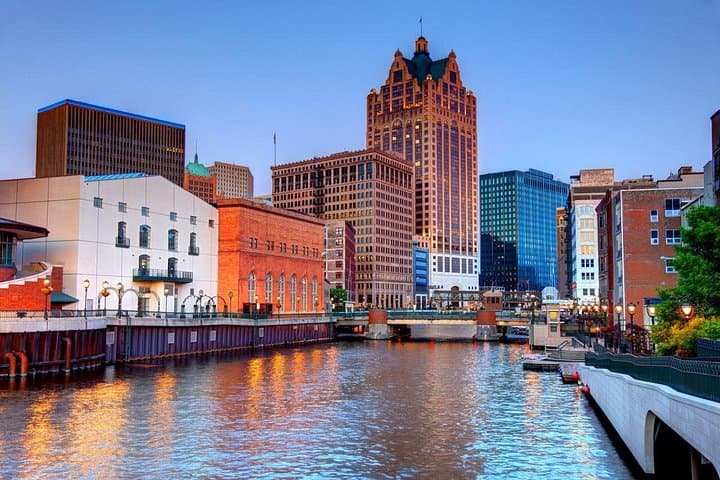
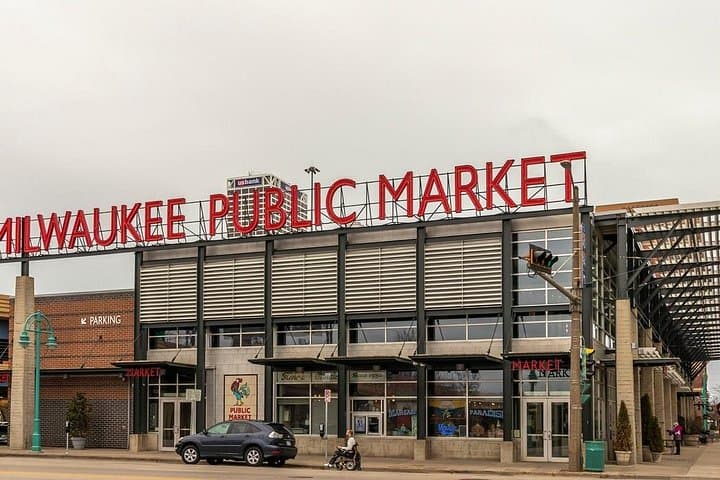
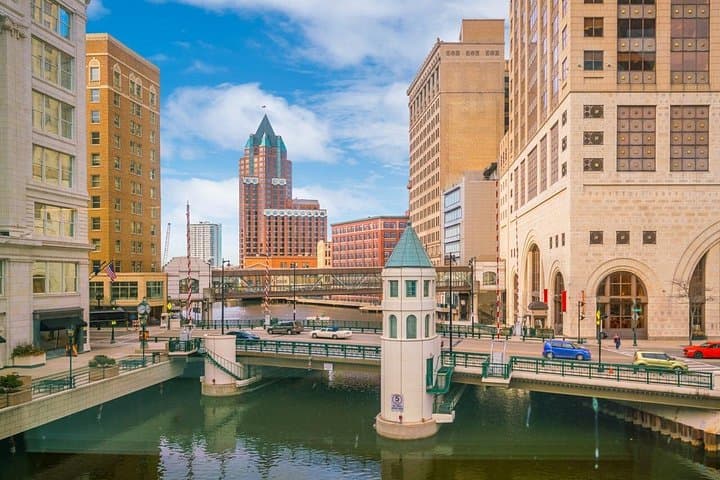
A late-afternoon light falls across the Milwaukee River as the tour minivan eases through downtown streets — industrial brick facades give way to mural-lined alleys and a lakefront skyline that keeps its own steady rhythm. In two hours, the city feels immediate: a quick glide past the soaring wing of the Milwaukee Art Museum, a stop under the painted walls of Black Cat Alley, and a short walk to the market where chefs and bakers share the air with coffee steam.
A late-afternoon light falls across the Milwaukee River as the tour minivan eases through downtown streets — industrial brick facades give way to mural-lined alleys and a lakefront skyline that keeps its own steady rhythm. In two hours, the city feels immediate: a quick glide past the soaring wing of the Milwaukee Art Museum, a stop under the painted walls of Black Cat Alley, and a short walk to the market where chefs and bakers share the air with coffee steam.
Milwaukee’s story is visible in these places. Once a powerhouse of brewing and manufacturing, the city’s German and Great Lakes heritage shows in brick warehouses, riverfront grain silos, and a public market culture that grew from immigrant stalls into an urban food scene. Geologically, the shoreline of Lake Michigan shapes the city’s edges and promenades; the river channels cut through glacial deposits, creating the working waterfront that anchored early industry and now hosts parks and public art.
Culturally, Milwaukee balances craft beer history with emerging street art, making short stops feel like chapters in a living museum. Local guides thread anecdotes about architects, artisans, and the civic investments that turned industrial lots into livable public spaces.
Practical guidance: this private, accessible tour centers on curbside viewpoints and short walks—expect mostly flat pavement and brief on-foot segments. Bring comfortable shoes, a light layer for lake breezes, and a camera for shifting light on murals and water. Morning or late-afternoon departures give the best photographic light and thinner crowds. The route is compact; use the tour as a primer for deeper exploration of the Third Ward, riverwalk, and lakefront afterward.