THE ADVENTURE COLLECTIVE® · Independent discovery and booking for outdoor travel

Step into a Buenos Aires milonga: a museum visit, a historic café lunch, and an hour-long tango lesson at La Catedral Club. This 4-hour tour blends tango history with hands-on practice in authentic porteño venues.
Step into a Buenos Aires milonga: a museum visit, a historic café lunch, and an hour-long tango lesson at La Catedral Club. This 4-hour tour blends tango history with hands-on practice in authentic porteño venues.
You arrive at the iron gate of a restored porteño house as late afternoon slides across the neighborhood — the air smells faintly of coffee and boiled yerba mate, and a street musician tunes a bandoneón nearby.
Verified experiences and guided adventures in the surrounding area.
Operated by Tangol · Buenos Aires, Buenos Aires
You arrive at the iron gate of a restored porteño house as late afternoon slides across the neighborhood — the air smells faintly of coffee and boiled yerba mate, and a street musician tunes a bandoneón nearby.
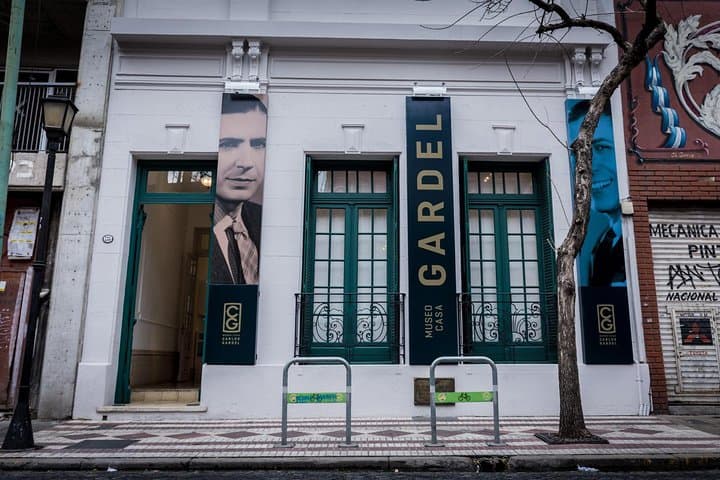
The tour begins at the Casa Museo Carlos Gardel, the real-life apartment where Gardel lived and which became a focal point for tango’s golden age. From the museum’s framed sheet music to faded posters, the story of Buenos Aires’ working-class barrios unfolds: immigration, café culture, and the nocturnal arenas called milongas where dancers test their skill and etiquette.
Geology and cityscape press in quietly: the flat Río de la Plata plain allows long, straight avenues where tango’s rhythms found room to breathe, while tiled cafés and tiled Façades tell of European builders who reshaped the urban fabric in the late 19th century.
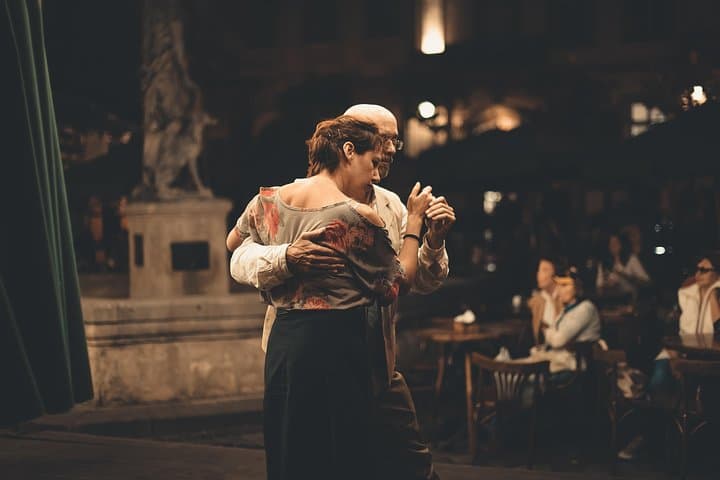
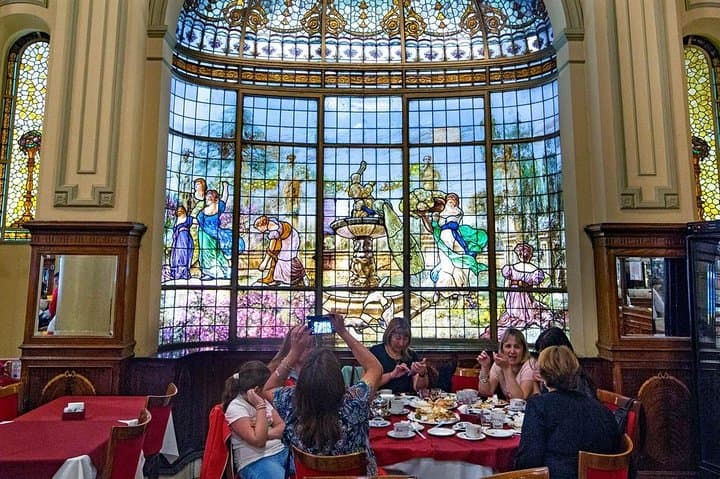
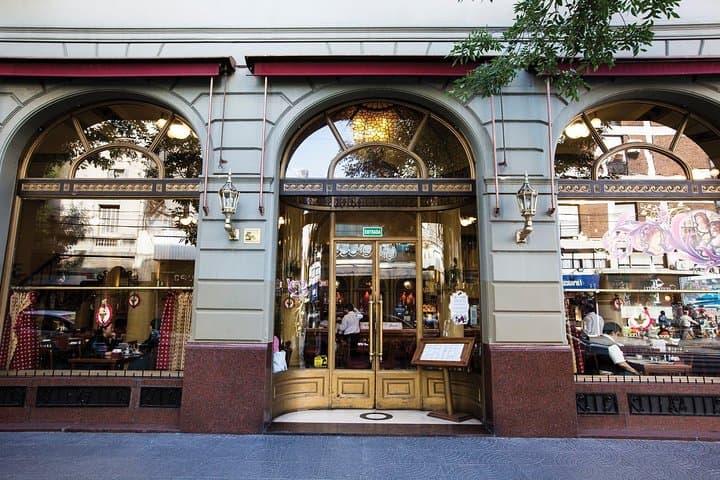
You then move through Las Violetas, a century-old café whose mirrors and marble counters still witness political debates and late snacks, before a short walk to La Catedral Club for a practical lesson. The milonga itself is a working cultural venue — local dancers take priority, and music “commands” the floor with alternating tempos that push and relax your step.
Practical guidance: wear shoes with a smooth sole for pivoting, bring small bills for cloakroom or dancers’ tips, and arrive with an hour to spare to absorb the room’s rules. The lesson is beginner-friendly, but attention to posture and musical phrasing will make the difference. Leave your phone in your pocket and let the dance lead.
easy.
4 hours.
Suitable for all fitness levels; participants should be comfortable standing and doing light partner movement for short periods.
No — the lesson is designed for beginners and focuses on basic steps, musical timing, and partner etiquette.
Smart-casual is appropriate; prioritize shoes that are comfortable for turning and walking on wooden floors.
Yes — the tour includes an afternoon snack at Las Violetas and entrance to the Carlos Gardel Museum as stated in the inclusions.
For a full refund, cancel at least 24 hours before the scheduled departure time; within 24 hours, bookings are non-refundable.
Tango grew in Buenos Aires’ late 19th–early 20th-century immigrant neighborhoods; figures like Carlos Gardel helped popularize it globally and cemented the milonga as a social institution.
Support local venues and musicians by tipping and buying refreshments; reducing noise and following venue rules helps preserve these cultural spaces.
Tangol operates guided outdoor trips and adventures with an emphasis on safety, stewardship, and memorable experiences.
You arrive at the iron gate of a restored porteño house as late afternoon slides across the neighborhood — the air smells faintly of coffee and boiled yerba mate, and a street musician tunes a bandoneón nearby.
You arrive at the iron gate of a restored porteño house as late afternoon slides across the neighborhood — the air smells faintly of coffee and boiled yerba mate, and a street musician tunes a bandoneón nearby.
The tour begins at the Casa Museo Carlos Gardel, the real-life apartment where Gardel lived and which became a focal point for tango’s golden age. From the museum’s framed sheet music to faded posters, the story of Buenos Aires’ working-class barrios unfolds: immigration, café culture, and the nocturnal arenas called milongas where dancers test their skill and etiquette.
Geology and cityscape press in quietly: the flat Río de la Plata plain allows long, straight avenues where tango’s rhythms found room to breathe, while tiled cafés and tiled Façades tell of European builders who reshaped the urban fabric in the late 19th century.
You then move through Las Violetas, a century-old café whose mirrors and marble counters still witness political debates and late snacks, before a short walk to La Catedral Club for a practical lesson. The milonga itself is a working cultural venue — local dancers take priority, and music “commands” the floor with alternating tempos that push and relax your step.
Practical guidance: wear shoes with a smooth sole for pivoting, bring small bills for cloakroom or dancers’ tips, and arrive with an hour to spare to absorb the room’s rules. The lesson is beginner-friendly, but attention to posture and musical phrasing will make the difference. Leave your phone in your pocket and let the dance lead.