THE ADVENTURE COLLECTIVE® · Independent discovery and booking for outdoor travel

A compact, 90-minute rainforest climb from the Millet community that offers sweeping views of St. Lucia’s primary water catchment and a chance to spot the island’s endemic parrot. Ideal for fit walkers who want an intimate, guide-led nature experience.
A compact, 90-minute rainforest climb from the Millet community that offers sweeping views of St. Lucia’s primary water catchment and a chance to spot the island’s endemic parrot. Ideal for fit walkers who want an intimate, guide-led nature experience.
Fog and humidity lift as you step from the shaded village path into the Millet trailhead, the forest immediately closing around you like a living corridor. Birdsong stitches the canopy—sharp calls from Amazona versicolor—the island’s endemic parrot, and the trail climbs away from the road into a broad catchment that still feeds local springs.
Verified experiences and guided adventures in the surrounding area.
Operated by Treasure tours Ltd. St. Lucia · Millet, Castries District
Fog and humidity lift as you step from the shaded village path into the Millet trailhead, the forest immediately closing around you like a living corridor. Birdsong stitches the canopy—sharp calls from Amazona versicolor—the island’s endemic parrot, and the trail climbs away from the road into a broad catchment that still feeds local springs.
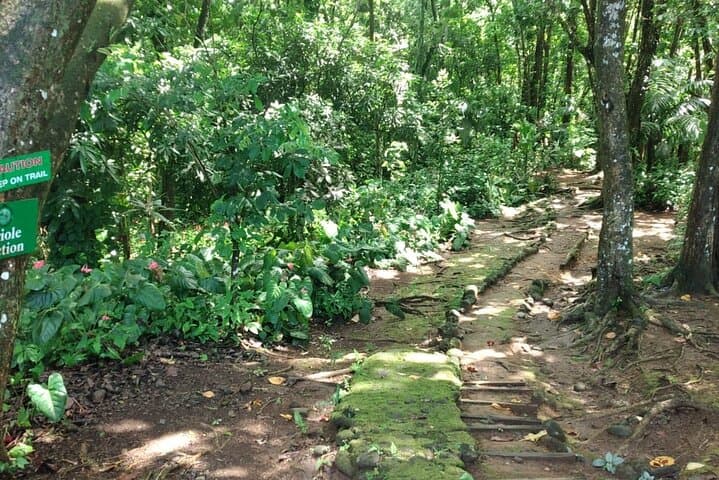
St. Lucia’s interior is volcanic in origin; the ridges and gullies you walk were shaped by eruptions and long rains that carved the island’s freshwater basins. Millet’s community paths run along old plantation boundaries and small-scale farms, so the hike is as much cultural as natural: you pass cultivated clearings, stonework drains, and places where locals gather fruit. Guides point out how conservation efforts protect the parrot and maintain water flow to coastal towns.
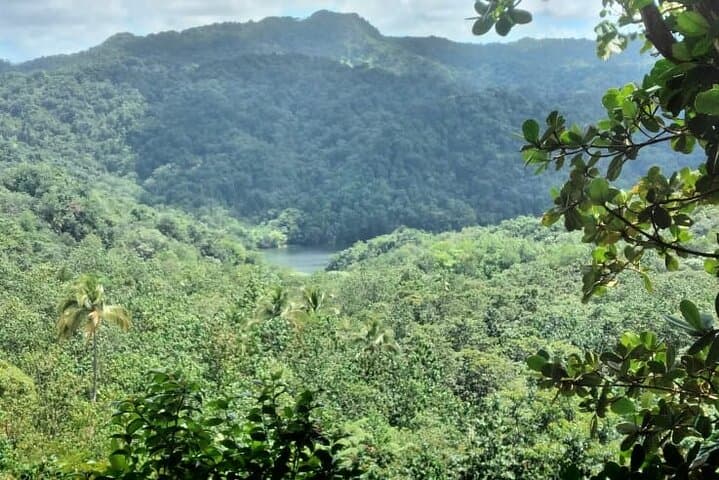
Expect a steady uphill on narrow, often root-strewn trail—moderate to strenuous for 90 minutes—with several resting benches and viewpoints overlooking the island’s largest catchment. Wildlife is shy: parrots, mongoose and occasional snakes are possible sightings; keep voices low and cameras ready.
Practical notes: wear sturdy hiking shoes with good grip, bring at least 1 liter of water, and pack a light rain shell—tropical showers are sudden. The operator provides bottled water and fresh fruit juice after the hike; transportation is typically air-conditioned. Morning departures give the best bird activity and cooler temperatures. Leave no trace, follow your guide’s route, and expect community-level facilities rather than full-service trailheads.
challenging.
1–2 hours.
You should have a high level of cardiovascular fitness and be comfortable with sustained uphill walking on uneven terrain.
The guided walk lasts about 90 minutes round-trip, with moderate to strenuous uphill sections and short rest stops.
The operator advises against participation for pregnant travelers and those with serious back or heart conditions; children should be capable of sustained uphill walking.
Parrots are often heard and sometimes seen, especially in the morning, but sightings are not guaranteed—bring binoculars and stay quiet.
Expect community-level facilities: trail benches and basic pickup/drop-off via air-conditioned vehicle; no full trailhead services or restrooms on the route.
The interior valleys around Millet were historically managed for small-scale agriculture and water collection; many trails follow old plantation and drainage lines.
The parrot is protected and sensitive to disturbance—staying on trail and keeping noise down helps habitat recovery; avoid feeding wildlife and pack out trash.
Treasure tours Ltd. St. Lucia operates guided outdoor trips and adventures with an emphasis on safety, stewardship, and memorable experiences.
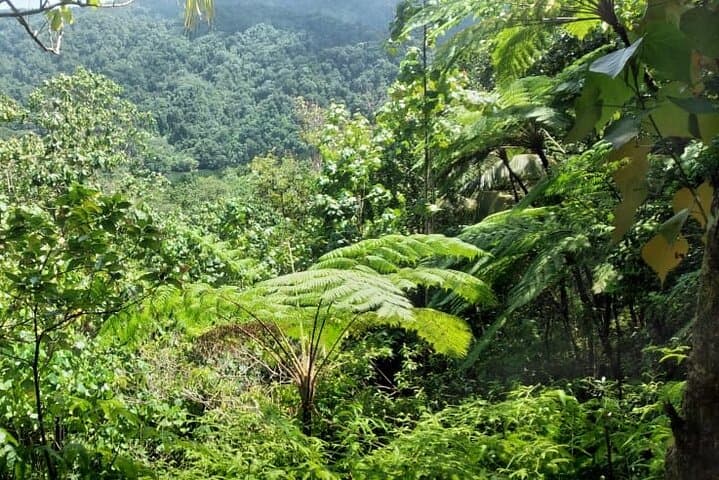
Fog and humidity lift as you step from the shaded village path into the Millet trailhead, the forest immediately closing around you like a living corridor. Birdsong stitches the canopy—sharp calls from Amazona versicolor—the island’s endemic parrot, and the trail climbs away from the road into a broad catchment that still feeds local springs.
Fog and humidity lift as you step from the shaded village path into the Millet trailhead, the forest immediately closing around you like a living corridor. Birdsong stitches the canopy—sharp calls from Amazona versicolor—the island’s endemic parrot, and the trail climbs away from the road into a broad catchment that still feeds local springs.
St. Lucia’s interior is volcanic in origin; the ridges and gullies you walk were shaped by eruptions and long rains that carved the island’s freshwater basins. Millet’s community paths run along old plantation boundaries and small-scale farms, so the hike is as much cultural as natural: you pass cultivated clearings, stonework drains, and places where locals gather fruit. Guides point out how conservation efforts protect the parrot and maintain water flow to coastal towns.
Expect a steady uphill on narrow, often root-strewn trail—moderate to strenuous for 90 minutes—with several resting benches and viewpoints overlooking the island’s largest catchment. Wildlife is shy: parrots, mongoose and occasional snakes are possible sightings; keep voices low and cameras ready.
Practical notes: wear sturdy hiking shoes with good grip, bring at least 1 liter of water, and pack a light rain shell—tropical showers are sudden. The operator provides bottled water and fresh fruit juice after the hike; transportation is typically air-conditioned. Morning departures give the best bird activity and cooler temperatures. Leave no trace, follow your guide’s route, and expect community-level facilities rather than full-service trailheads.