THE ADVENTURE COLLECTIVE® · Independent discovery and booking for outdoor travel

Short, dramatic helicopter flights between Milford Sound and Queenstown offer aerial perspectives on Fiordland's cliffs, waterfalls, and alpine lakes, with a remote landing included. Ideal for travelers short on time who want a concentrated taste of the region's scale and geology.
Short, dramatic helicopter flights between Milford Sound and Queenstown offer aerial perspectives on Fiordland's cliffs, waterfalls, and alpine lakes, with a remote landing included. Ideal for travelers short on time who want a concentrated taste of the region's scale and geology.
You step onto the small tarmac at Milford Sound Airport and the mountains inhale around you—massive granite faces and hanging valleys that make ground travel feel slow by comparison.
Verified experiences and guided adventures in the surrounding area.
Operated by Milford Helicopters · Milford Sound, Southland
You step onto the small tarmac at Milford Sound Airport and the mountains inhale around you—massive granite faces and hanging valleys that make ground travel feel slow by comparison.
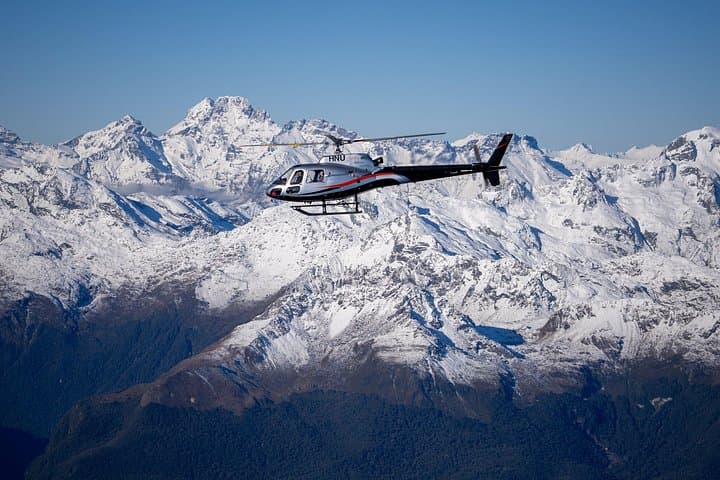
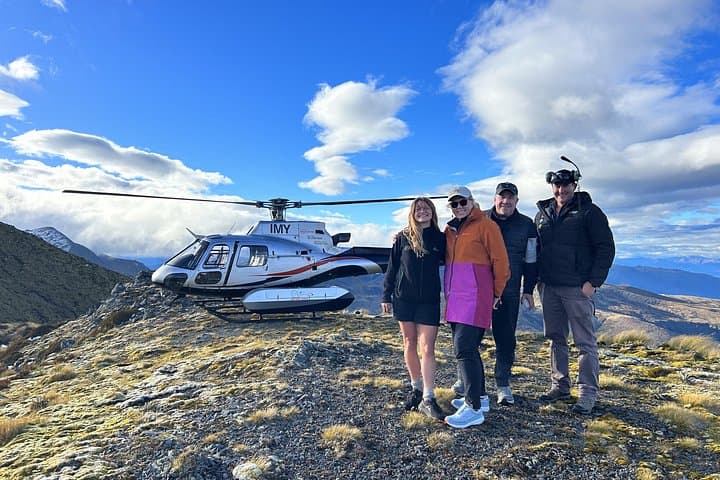
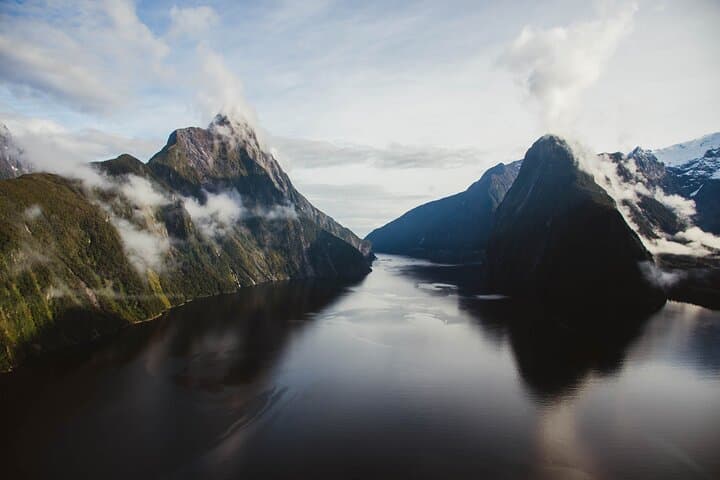
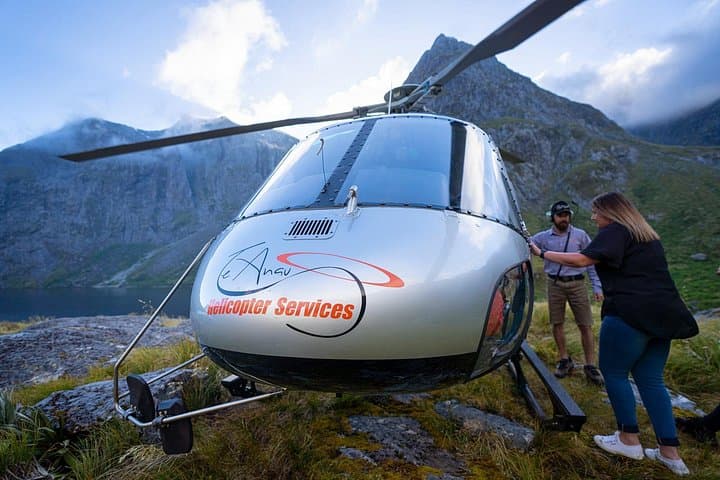
From the cabin the fiord expands beneath the rotors: steep cliffs plunging into black water, waterfalls daring you to find their source, and glassy alpine lakes tucked like secrets in cirques. The pilot eases the machine toward a remote landing, where tussock and scree meet the horizon and silence briefly takes the place of the engine.
This flight follows airspace over Piopiotahi / Milford Sound, carved by Pleistocene glaciers that gouged deep channels into schist and gneiss. The area sits inside Fiordland National Park, part of the Te Wahipounamu UNESCO World Heritage site, and carries both Māori cultural significance and a history of European exploration tied to maritime navigation and the Milford Track.
Practical guidance: the transfer runs about 35–40 minutes in the air and requires a minimum of four passengers to operate; operators may group solo travelers. Expect variable weather—clouds and low visibility can cancel flights, and landing fees may apply. Dress in layers: strong winds and alpine sun both feature on the same day, and sturdy footwear is useful for the remote landing.
Bring a camera with a fast shutter, keep weight and baggage limits in mind, and plan for flexible timing—this is an experience defined as much by the sky as by the places you touch on arrival.
easy.
35–45 minutes.
Minimal fitness required; able-bodied travel for brief remote-landing exit recommended
Most operators cancel for safety and offer a full refund if you cancel at least 24 hours in advance; same-day cancellations may be rescheduled or refunded depending on policy.
Yes—operators require accurate passenger weights for balance and safety; disclose weights when booking and expect limits on large, heavy items.
Infants are generally allowed but must sit on an adult's lap; confirm age and lap-child policies when booking.
Yes—headsets and live commentary are typically provided so you can hear the pilot and guide over the engine noise.
Known to Māori as Piopiotahi, Milford Sound was later charted by European navigators and became a gateway for early tourist and track exploration in Fiordland.
Fiordland is part of a UNESCO World Heritage area with strict protections; operators follow noise and landing controls to limit environmental impact.
Milford Helicopters operates guided outdoor trips and adventures with an emphasis on safety, stewardship, and memorable experiences.
You step onto the small tarmac at Milford Sound Airport and the mountains inhale around you—massive granite faces and hanging valleys that make ground travel feel slow by comparison.
You step onto the small tarmac at Milford Sound Airport and the mountains inhale around you—massive granite faces and hanging valleys that make ground travel feel slow by comparison.
From the cabin the fiord expands beneath the rotors: steep cliffs plunging into black water, waterfalls daring you to find their source, and glassy alpine lakes tucked like secrets in cirques. The pilot eases the machine toward a remote landing, where tussock and scree meet the horizon and silence briefly takes the place of the engine.
This flight follows airspace over Piopiotahi / Milford Sound, carved by Pleistocene glaciers that gouged deep channels into schist and gneiss. The area sits inside Fiordland National Park, part of the Te Wahipounamu UNESCO World Heritage site, and carries both Māori cultural significance and a history of European exploration tied to maritime navigation and the Milford Track.
Practical guidance: the transfer runs about 35–40 minutes in the air and requires a minimum of four passengers to operate; operators may group solo travelers. Expect variable weather—clouds and low visibility can cancel flights, and landing fees may apply. Dress in layers: strong winds and alpine sun both feature on the same day, and sturdy footwear is useful for the remote landing.
Bring a camera with a fast shutter, keep weight and baggage limits in mind, and plan for flexible timing—this is an experience defined as much by the sky as by the places you touch on arrival.