THE ADVENTURE COLLECTIVE® · Independent discovery and booking for outdoor travel

Travel from Queenstown into the heart of Fiordland for an intimate cruise through Milford Sound followed by a scenic flight back. This small-group day trip combines roadside viewpoints, Mirror Lakes and Homer Tunnel with a guided cruise and unforgettable aerial finale.
Travel from Queenstown into the heart of Fiordland for an intimate cruise through Milford Sound followed by a scenic flight back. This small-group day trip combines roadside viewpoints, Mirror Lakes and Homer Tunnel with a guided cruise and unforgettable aerial finale.
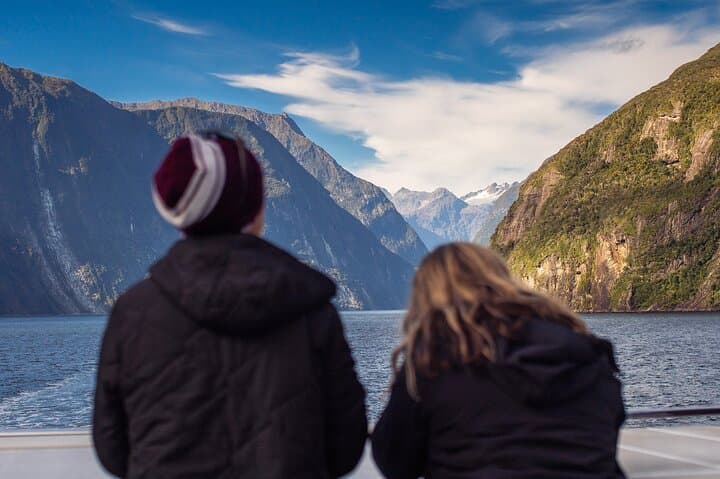
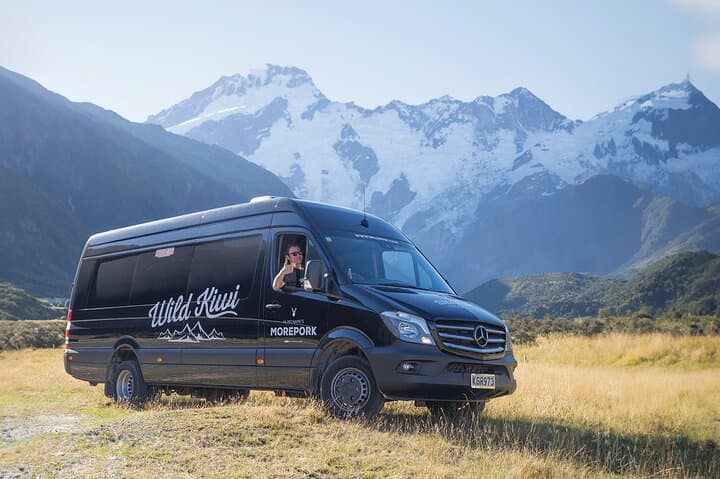
The coach eases out of Queenstown before dawn, lake light thinning from inky blue to pewter. Outside, the terrain opens—sheep pastures give way to alpine ridgelines, then to beech forest dripping with moss. By midmorning the bus has entered Fiordland National Park and the air smells like wet stone and ancient rain. You step off to feel the valley—cold, still, and surprisingly loud with bird calls—before the road narrows and the landscape tightens. After the Homer Tunnel the world drops away and Milford Sound appears: a vertical room of granite, waterfalls pouring like threads from heights that dare you to look up.
Verified experiences and guided adventures in the surrounding area.
Operated by Wild Kiwi Tours · Milford Sound, Southland
The coach eases out of Queenstown before dawn, lake light thinning from inky blue to pewter. Outside, the terrain opens—sheep pastures give way to alpine ridgelines, then to beech forest dripping with moss. By midmorning the bus has entered Fiordland National Park and the air smells like wet stone and ancient rain. You step off to feel the valley—cold, still, and surprisingly loud with bird calls—before the road narrows and the landscape tightens. After the Homer Tunnel the world drops away and Milford Sound appears: a vertical room of granite, waterfalls pouring like threads from heights that dare you to look up.
Milford Sound (Piopiotahi) sits at the edge of a landscape carved by ice. The fiord’s sheer cliffs and plunging cascades are the result of repeated glaciations over millions of years; today those cliffs host temperate rainforest—native beech and podocarp—where endemic birds like the kea and tui move in the canopy. European explorers misread the scale at first, naming the inlet a sound; in truth it’s a fjord, deeper and steeper than coasts nearby. The Homer Tunnel—chipped through rock in the mid-20th century—marks the last human incision before the wild takes over.
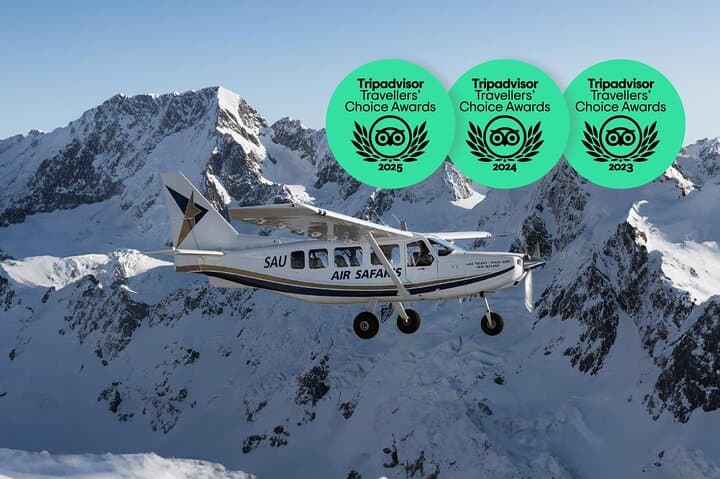
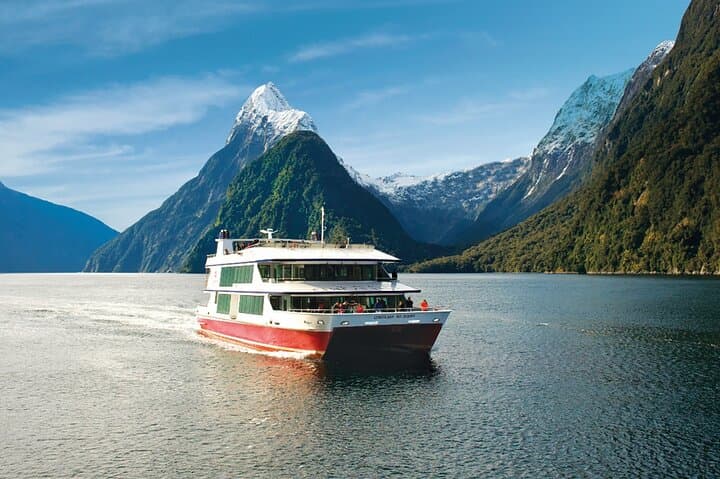
The core of the experience is pragmatic and elemental: a 1 hour 45 minute boutique nature cruise with a guide who points out Mitre Peak, wall-sized waterfalls and resident wildlife—New Zealand fur seals hauling on rocks, transient dolphins, and the occasional penguin if you’re lucky. The return by fixed-wing scenic flight compresses the long road back into a 45–60 minute flight over glacial valleys, lake basins and the jagged spine of the Southern Alps, offering a vantage few see.
Practicalities matter here. This is a long day—roughly 10 hours door-to-door—so dress for changing conditions: layers, waterproof outerwear and sturdy shoes are non-negotiable. Bring binoculars and a tele lens if you want tight wildlife shots; the cruise is intentionally small so you’ll have space to move for photos. Seas can be choppy; those prone to motion sickness should medicate before departure. The tour includes snacks and on-board commentary; the small-group size keeps the cruise intimate and supports lower impact on the fiord’s sensitive ecosystem.
Fiordland is UNESCO-protected and operators work under strict guidelines: remain on designated vessels and pathways, don’t approach or feed wildlife, and pack out what you pack in. If you go expecting cinematic vistas and a steady stream of wildlife, you’ll be satisfied; if you come wanting solitude, aim for shoulder season days when visitor numbers are lower and the waterfalls are at their fullest.
moderate.
10 hours.
Suitable for most fitness levels but requires stamina for a long day, short walks, and standing on the cruise deck.
The guided nature cruise is approximately 1 hour and 45 minutes, designed for fewer passengers for closer wildlife and waterfall viewing.
The full day runs about 10 hours from Queenstown, including coach stops, the cruise and the scenic flight back.
Light snacks are provided on board and Wi‑Fi is available on the coach; bring a heartier lunch if you prefer more substantial food between stops.
Infants must sit on a parent’s lap; the tour is family-friendly but involves a long day and some sea conditions to consider.
Operators aim to find seals, dolphins and occasionally penguins, but wildlife is wild—sightings depend on season and conditions and can’t be guaranteed.
The operator may cancel due to unsafe weather; the cancellation policy allows a full refund if cancelled at least 24 hours prior, and trips may be rescheduled when possible.
Fiordland is a UNESCO World Heritage area shaped by glaciers; the Homer Tunnel (completed mid-20th century) opened the route to Milford Sound.
Operators follow Department of Conservation guidelines to minimize disturbance—stay on vessels and don’t feed wildlife; pack out all waste.
Wild Kiwi Tours operates guided outdoor trips and adventures with an emphasis on safety, stewardship, and memorable experiences.
The coach eases out of Queenstown before dawn, lake light thinning from inky blue to pewter. Outside, the terrain opens—sheep pastures give way to alpine ridgelines, then to beech forest dripping with moss. By midmorning the bus has entered Fiordland National Park and the air smells like wet stone and ancient rain. You step off to feel the valley—cold, still, and surprisingly loud with bird calls—before the road narrows and the landscape tightens. After the Homer Tunnel the world drops away and Milford Sound appears: a vertical room of granite, waterfalls pouring like threads from heights that dare you to look up.
The coach eases out of Queenstown before dawn, lake light thinning from inky blue to pewter. Outside, the terrain opens—sheep pastures give way to alpine ridgelines, then to beech forest dripping with moss. By midmorning the bus has entered Fiordland National Park and the air smells like wet stone and ancient rain. You step off to feel the valley—cold, still, and surprisingly loud with bird calls—before the road narrows and the landscape tightens. After the Homer Tunnel the world drops away and Milford Sound appears: a vertical room of granite, waterfalls pouring like threads from heights that dare you to look up.
Milford Sound (Piopiotahi) sits at the edge of a landscape carved by ice. The fiord’s sheer cliffs and plunging cascades are the result of repeated glaciations over millions of years; today those cliffs host temperate rainforest—native beech and podocarp—where endemic birds like the kea and tui move in the canopy. European explorers misread the scale at first, naming the inlet a sound; in truth it’s a fjord, deeper and steeper than coasts nearby. The Homer Tunnel—chipped through rock in the mid-20th century—marks the last human incision before the wild takes over.
The core of the experience is pragmatic and elemental: a 1 hour 45 minute boutique nature cruise with a guide who points out Mitre Peak, wall-sized waterfalls and resident wildlife—New Zealand fur seals hauling on rocks, transient dolphins, and the occasional penguin if you’re lucky. The return by fixed-wing scenic flight compresses the long road back into a 45–60 minute flight over glacial valleys, lake basins and the jagged spine of the Southern Alps, offering a vantage few see.
Practicalities matter here. This is a long day—roughly 10 hours door-to-door—so dress for changing conditions: layers, waterproof outerwear and sturdy shoes are non-negotiable. Bring binoculars and a tele lens if you want tight wildlife shots; the cruise is intentionally small so you’ll have space to move for photos. Seas can be choppy; those prone to motion sickness should medicate before departure. The tour includes snacks and on-board commentary; the small-group size keeps the cruise intimate and supports lower impact on the fiord’s sensitive ecosystem.
Fiordland is UNESCO-protected and operators work under strict guidelines: remain on designated vessels and pathways, don’t approach or feed wildlife, and pack out what you pack in. If you go expecting cinematic vistas and a steady stream of wildlife, you’ll be satisfied; if you come wanting solitude, aim for shoulder season days when visitor numbers are lower and the waterfalls are at their fullest.