THE ADVENTURE COLLECTIVE® · Independent discovery and booking for outdoor travel

Turn Milan into a live puzzle: this 2½-hour urban escape game walks you through city squares, hidden courtyards and canal edges while asking location-based riddles. Expect flat, paved routes, historical insights, and a phone-led adventure suited to small groups.
Turn Milan into a live puzzle: this 2½-hour urban escape game walks you through city squares, hidden courtyards and canal edges while asking location-based riddles. Expect flat, paved routes, historical insights, and a phone-led adventure suited to small groups.
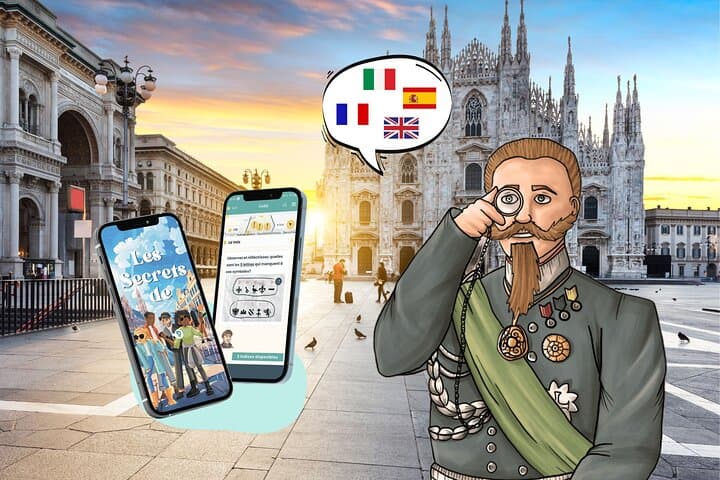
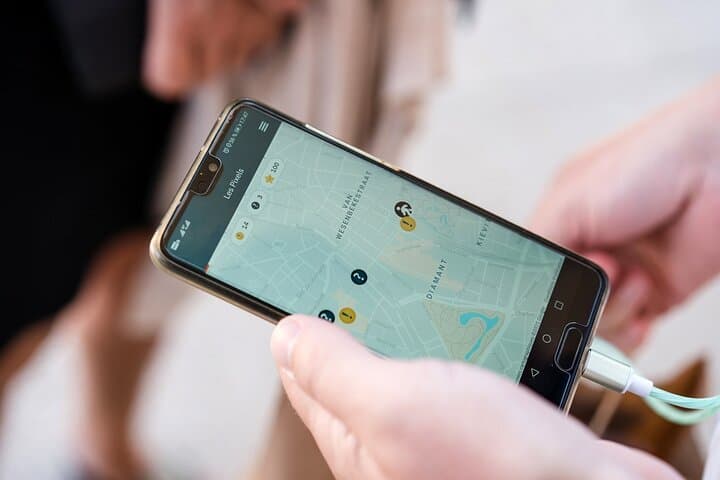
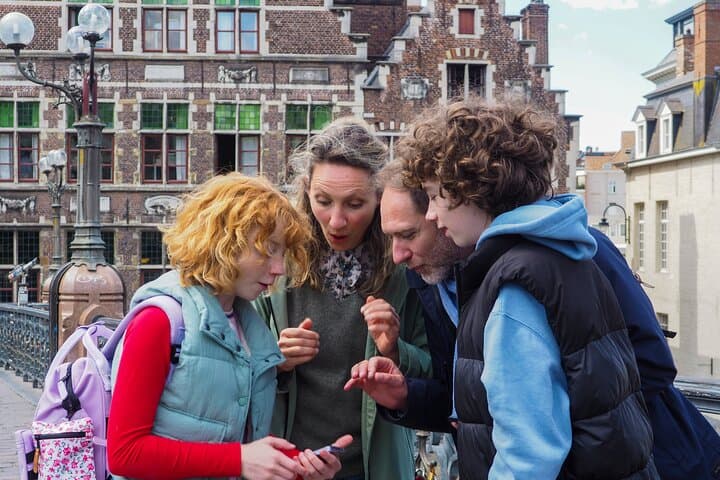
You step out of the cathedral square with your phone as a compass and a list of riddles that nudge you toward narrow lanes and broad piazzas alike. The app prompts a direction; the city answers with a carved inscription, a rooftop weathervane, a statue’s sideways glance. This is a walking escape game through Milan’s center—part puzzle hunt, part cultural scavenger—designed to make familiar streets feel unfamiliar.
Verified experiences and guided adventures in the surrounding area.
Operated by Coddy · Milan, Lombardy
You step out of the cathedral square with your phone as a compass and a list of riddles that nudge you toward narrow lanes and broad piazzas alike. The app prompts a direction; the city answers with a carved inscription, a rooftop weathervane, a statue’s sideways glance. This is a walking escape game through Milan’s center—part puzzle hunt, part cultural scavenger—designed to make familiar streets feel unfamiliar.
Milan wears its history on the surface: Roman gridlines beneath later medieval expansions, Spanish-era walls, and the engineered canals of the Navigli—sections of which were reworked in the Renaissance, with practical input from Leonardo da Vinci. Geologically the city sits on the Po Valley’s alluvial plain, which explains the flat streets and historic need for canals and deep foundations. Culturally you’ll move through neighborhoods shaped by centuries of commerce, fashion, and the ritual of the aperitivo.
Expect 2–3 hours of walking (roughly 3–5 km), almost no elevation gain, and mostly paved surfaces. The game rewards careful observation of facades, plaques, and small courtyards that most guidebooks skip. Practicalities: charge your phone, download the app and offline maps, and choose a time when foot traffic matches your comfort—early morning or late afternoon light are best for photos and clearer clues. Keep a power bank, wear supportive shoes, and leave room to pause for an espresso or to read an unexpected inscription; the city gives up its secrets to those who look.
easy.
2–2.5 hours.
Suitable for people of most fitness levels; requires walking 3–5 km on flat, urban terrain.
The activity is private for your group—bookings accept up to 6 people per team.
Yes; the route uses paved public streets and accessible surfaces, though some historic spots may have limited access.
No—puzzles are designed for general audiences and rely on observation rather than technical skills.
You can cancel for a full refund up to 24 hours before the scheduled start time, per the operator’s standard policy.
Milan’s layout carries Roman origins and later Renaissance engineering—Leonardo da Vinci contributed to canal works that shaped the city’s trade routes.
Stick to public paths and support local cafes and shops encountered on the route; minimizing litter and noise preserves historic façades and neighborhood character.
Coddy operates guided outdoor trips and adventures with an emphasis on safety, stewardship, and memorable experiences.
You step out of the cathedral square with your phone as a compass and a list of riddles that nudge you toward narrow lanes and broad piazzas alike. The app prompts a direction; the city answers with a carved inscription, a rooftop weathervane, a statue’s sideways glance. This is a walking escape game through Milan’s center—part puzzle hunt, part cultural scavenger—designed to make familiar streets feel unfamiliar.
You step out of the cathedral square with your phone as a compass and a list of riddles that nudge you toward narrow lanes and broad piazzas alike. The app prompts a direction; the city answers with a carved inscription, a rooftop weathervane, a statue’s sideways glance. This is a walking escape game through Milan’s center—part puzzle hunt, part cultural scavenger—designed to make familiar streets feel unfamiliar.
Milan wears its history on the surface: Roman gridlines beneath later medieval expansions, Spanish-era walls, and the engineered canals of the Navigli—sections of which were reworked in the Renaissance, with practical input from Leonardo da Vinci. Geologically the city sits on the Po Valley’s alluvial plain, which explains the flat streets and historic need for canals and deep foundations. Culturally you’ll move through neighborhoods shaped by centuries of commerce, fashion, and the ritual of the aperitivo.
Expect 2–3 hours of walking (roughly 3–5 km), almost no elevation gain, and mostly paved surfaces. The game rewards careful observation of facades, plaques, and small courtyards that most guidebooks skip. Practicalities: charge your phone, download the app and offline maps, and choose a time when foot traffic matches your comfort—early morning or late afternoon light are best for photos and clearer clues. Keep a power bank, wear supportive shoes, and leave room to pause for an espresso or to read an unexpected inscription; the city gives up its secrets to those who look.