THE ADVENTURE COLLECTIVE® · Independent discovery and booking for outdoor travel

Move from futuristic Piazza Gae Aulenti to the Renaissance calm of Castello Sforzesco on this compact private walking tour. Ideal for first-time visitors, the route mixes contemporary design, historic churches and a stop for genuine Italian gelato.
Move from futuristic Piazza Gae Aulenti to the Renaissance calm of Castello Sforzesco on this compact private walking tour. Ideal for first-time visitors, the route mixes contemporary design, historic churches and a stop for genuine Italian gelato.
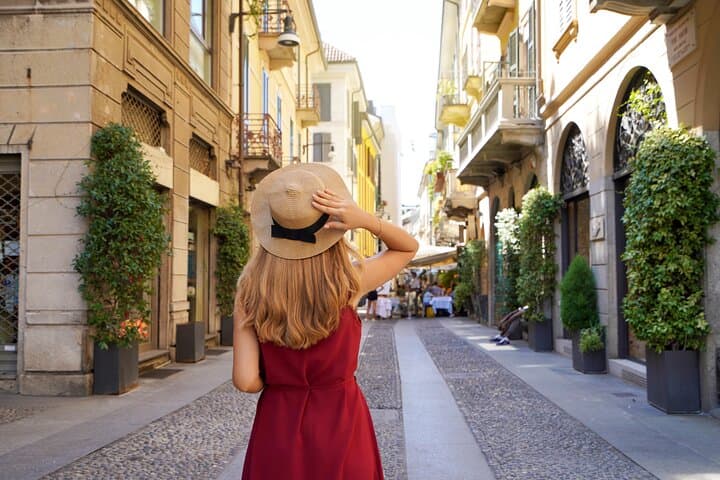
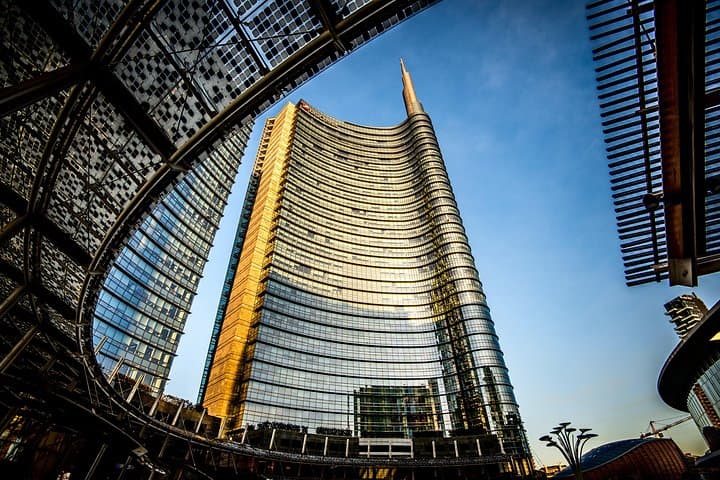
You begin under the glass canopy and clean lines of Piazza Gae Aulenti, where water jets mark time and polished towers lean in like curious hosts. The city unfolds as a series of sharp changes: contemporary plazas give way to narrow cobbled lanes, frescoed church facades and the broad stone presence of Castello Sforzesco.
Verified experiences and guided adventures in the surrounding area.
Operated by Local CoolTour · Milan, Lombardy
You begin under the glass canopy and clean lines of Piazza Gae Aulenti, where water jets mark time and polished towers lean in like curious hosts. The city unfolds as a series of sharp changes: contemporary plazas give way to narrow cobbled lanes, frescoed church facades and the broad stone presence of Castello Sforzesco.
Milan grew from a Roman settlement into a medieval duchy and later a Renaissance center of art and finance; today it’s Europe’s design and fashion engine. Geologically it sits on the flat Po Valley plain—easy walking, few long climbs—but that sameness amplifies the contrast between steel-and-glass Porta Nuova and the layered masonry of Brera and the castle.
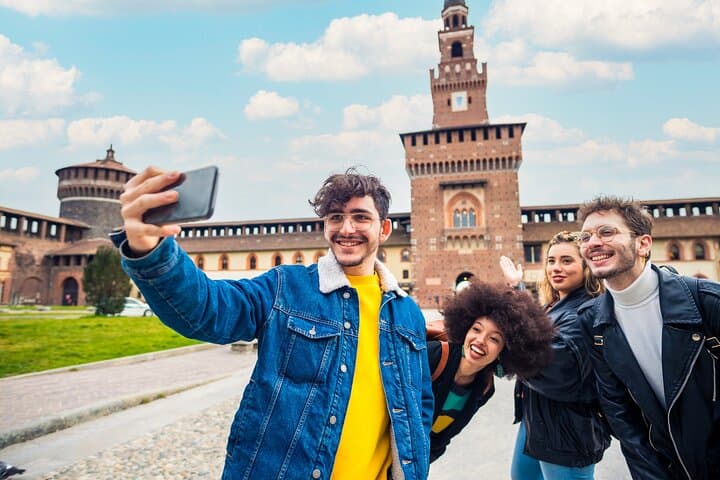
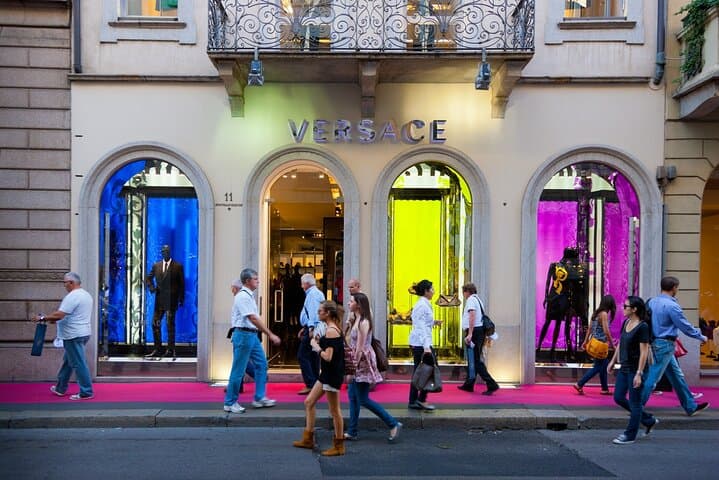
You’ll move through contrasts: modern galleries at 10 Corso Como, the twin-façade grace of Santa Maria Incoronata, a pause for gelato from a neighborhood gelateria, and the Romanesque calm of San Simpliciano. Brera’s streets invite lingering at independent boutiques and small galleries before the tour closes in the castle’s courtyard and gardens, where sculptures and civic history breathe together.
Practical notes: this is a low-key, accessible two-hour walk suitable for families and travelers of average mobility. Expect mostly paved surfaces and several short standing stops. Bring comfortable shoes, a small water bottle, a light layer for changing weather and a portable charger for photos. Morning or late-afternoon slots avoid the hottest sun and give softer light for façades. Guides will tailor the pace and highlights to your interests—art, architecture, or fashion—so tell them your focus when you book.
easy.
2 hours.
Suitable for all fitness levels; involves 2 hours of mostly flat walking and short standing stops
Yes—routes use paved streets and the operator lists wheelchair-accessible surfaces and transportation; notify at booking for specifics.
The itinerary includes a stop at Castello Sforzesco grounds; full museum entry may require separate tickets depending on the guide’s arrangement.
Yes—stroller accessible and suitable for families; expect some standing time at points of interest.
This is a private two-hour tour booked for your party only; group size is determined by your booking.
Milan evolved from a Roman military center to a Lombard duchy and a Renaissance hub; later it became a 19th–20th century industrial and fashion capital.
Milan enforces low-emission zones (Area C) and promotes public transit; visitors are encouraged to minimize waste and respect historic sites.
Local CoolTour operates guided outdoor trips and adventures with an emphasis on safety, stewardship, and memorable experiences.
You begin under the glass canopy and clean lines of Piazza Gae Aulenti, where water jets mark time and polished towers lean in like curious hosts. The city unfolds as a series of sharp changes: contemporary plazas give way to narrow cobbled lanes, frescoed church facades and the broad stone presence of Castello Sforzesco.
You begin under the glass canopy and clean lines of Piazza Gae Aulenti, where water jets mark time and polished towers lean in like curious hosts. The city unfolds as a series of sharp changes: contemporary plazas give way to narrow cobbled lanes, frescoed church facades and the broad stone presence of Castello Sforzesco.
Milan grew from a Roman settlement into a medieval duchy and later a Renaissance center of art and finance; today it’s Europe’s design and fashion engine. Geologically it sits on the flat Po Valley plain—easy walking, few long climbs—but that sameness amplifies the contrast between steel-and-glass Porta Nuova and the layered masonry of Brera and the castle.
You’ll move through contrasts: modern galleries at 10 Corso Como, the twin-façade grace of Santa Maria Incoronata, a pause for gelato from a neighborhood gelateria, and the Romanesque calm of San Simpliciano. Brera’s streets invite lingering at independent boutiques and small galleries before the tour closes in the castle’s courtyard and gardens, where sculptures and civic history breathe together.
Practical notes: this is a low-key, accessible two-hour walk suitable for families and travelers of average mobility. Expect mostly paved surfaces and several short standing stops. Bring comfortable shoes, a small water bottle, a light layer for changing weather and a portable charger for photos. Morning or late-afternoon slots avoid the hottest sun and give softer light for façades. Guides will tailor the pace and highlights to your interests—art, architecture, or fashion—so tell them your focus when you book.