THE ADVENTURE COLLECTIVE® · Independent discovery and booking for outdoor travel

Walk a bustling Milanese market and finish with a hearty aperitivo in a local's home. This small-group experience pairs ingredient-focused discovery with a hosted tasting for a practical taste of Milanese food culture.
Walk a bustling Milanese market and finish with a hearty aperitivo in a local's home. This small-group experience pairs ingredient-focused discovery with a hosted tasting for a practical taste of Milanese food culture.
You enter the market under a low roof of fluorescent lights and the smell of citrus and espresso nudges you forward.
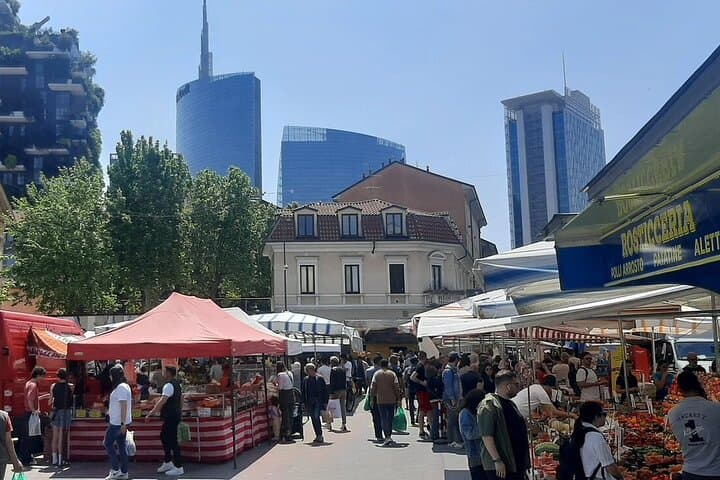
Vendors call out cut prices on seasonal produce while cured meats and cheeses sit like small, savory monuments at the counters. The market is brisk — a practical choreography of shoppers, suppliers and the rhythm of Milanese daily life.
Verified experiences and guided adventures in the surrounding area.
Operated by Cesarine: Cooking Class · Milan, Lombardy
You enter the market under a low roof of fluorescent lights and the smell of citrus and espresso nudges you forward.
Vendors call out cut prices on seasonal produce while cured meats and cheeses sit like small, savory monuments at the counters. The market is brisk — a practical choreography of shoppers, suppliers and the rhythm of Milanese daily life.
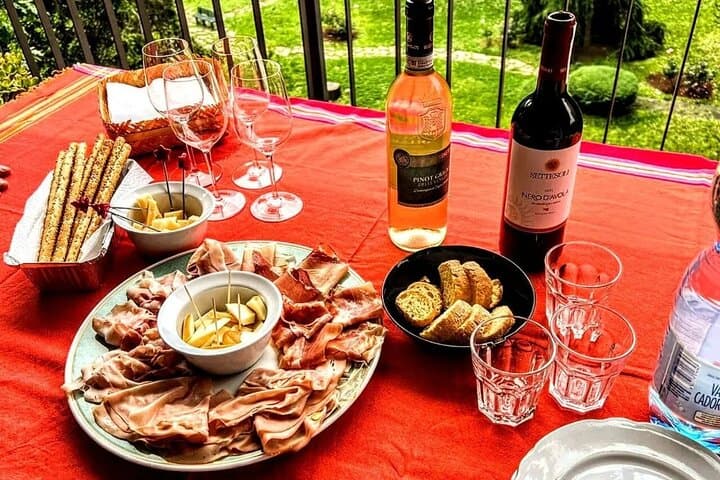
This experience pairs a roughly 40-minute guided walk through a local food market with an aperitivo held in a Cesarina's home — a longstanding network of Italian home cooks who open their kitchens to visitors. Milan's aperitivo culture grew from simple pre-dinner drinks into a ritual of small plates and conversation; here it’s presented in a domestic setting rather than a bar.
Architecturally, you’ll notice the city’s 19th–20th century market halls and nearby canal-side neighborhoods where trade and social life have long met. Expect talk of regional ingredients — Lombardy rice and salumi — and practical food culture details: how to choose a fresh artichoke, what makes a proper cotoletta, and why risotto alla Milanese stains a spoon gold.
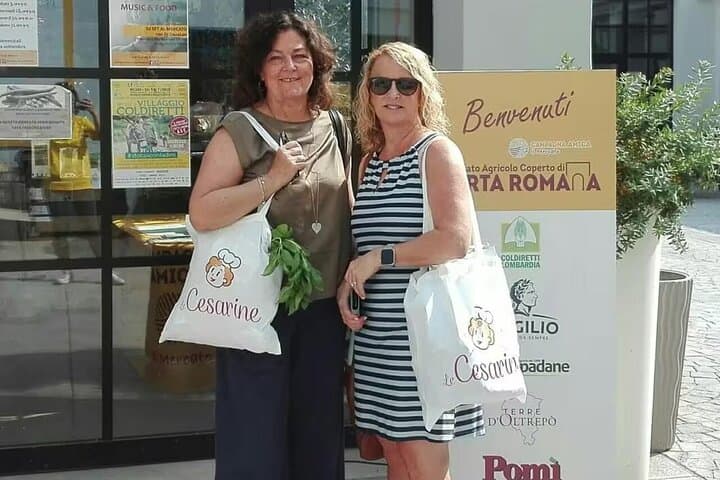
Practical guidance: arrive with comfortable shoes, an appetite and any dietary requests noted in advance. Public transit drops you near most market halls; the group size is small (up to 12), so conversation and questions are welcome. Bring a reusable bag for any purchases and plan for roughly 2.5 hours total. The mix of hands-on market observation and a hosted aperitivo offers both sensory discovery and a clear look at how Milanese food life operates — efficient, social, and unapologetically delicious.
easy.
2–3 hours.
Light — suitable for most travelers who can stand and walk short distances; minimal mobility required.
The full experience lasts about 2.5 hours (150 minutes), including the market walk and the hosted aperitivo.
Yes—vegetarian options are available on request; note any allergies or restrictions when booking.
The aperitivo is hosted in a local Cesarina's home, providing a small-group, domestic setting rather than a restaurant.
Yes—most central Milan markets are well connected by metro and trams; expect a short walk from the nearest stop.
Aperitivo culture became a defining Milanese ritual in the 20th century; Cesarine is Italy’s long-established network of home cooks who celebrate regional home cooking.
Support sustainable travel by buying local, using reusable bags, and minimizing single-use plastics; small home-hosted meals typically generate less waste than large hospitality venues.
Cesarine: Cooking Class operates guided outdoor trips and adventures with an emphasis on safety, stewardship, and memorable experiences.
You enter the market under a low roof of fluorescent lights and the smell of citrus and espresso nudges you forward.
Vendors call out cut prices on seasonal produce while cured meats and cheeses sit like small, savory monuments at the counters. The market is brisk — a practical choreography of shoppers, suppliers and the rhythm of Milanese daily life.
You enter the market under a low roof of fluorescent lights and the smell of citrus and espresso nudges you forward.
Vendors call out cut prices on seasonal produce while cured meats and cheeses sit like small, savory monuments at the counters. The market is brisk — a practical choreography of shoppers, suppliers and the rhythm of Milanese daily life.
This experience pairs a roughly 40-minute guided walk through a local food market with an aperitivo held in a Cesarina's home — a longstanding network of Italian home cooks who open their kitchens to visitors. Milan's aperitivo culture grew from simple pre-dinner drinks into a ritual of small plates and conversation; here it’s presented in a domestic setting rather than a bar.
Architecturally, you’ll notice the city’s 19th–20th century market halls and nearby canal-side neighborhoods where trade and social life have long met. Expect talk of regional ingredients — Lombardy rice and salumi — and practical food culture details: how to choose a fresh artichoke, what makes a proper cotoletta, and why risotto alla Milanese stains a spoon gold.
Practical guidance: arrive with comfortable shoes, an appetite and any dietary requests noted in advance. Public transit drops you near most market halls; the group size is small (up to 12), so conversation and questions are welcome. Bring a reusable bag for any purchases and plan for roughly 2.5 hours total. The mix of hands-on market observation and a hosted aperitivo offers both sensory discovery and a clear look at how Milanese food life operates — efficient, social, and unapologetically delicious.