THE ADVENTURE COLLECTIVE® · Independent discovery and booking for outdoor travel

A brisk, two-hour guided route through Milan’s architectural high points — from Castello Sforzesco and Via Dante to the Galleria and Duomo. Ideal for first-time visitors who want a concentrated introduction to the city’s history and urban character.
A brisk, two-hour guided route through Milan’s architectural high points — from Castello Sforzesco and Via Dante to the Galleria and Duomo. Ideal for first-time visitors who want a concentrated introduction to the city’s history and urban character.
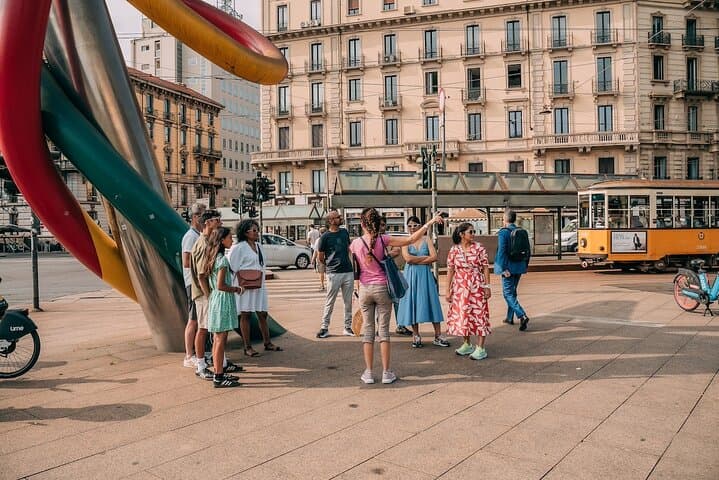
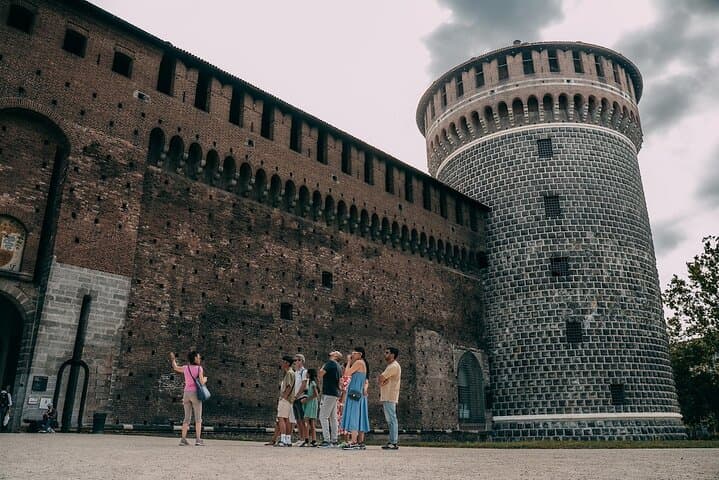
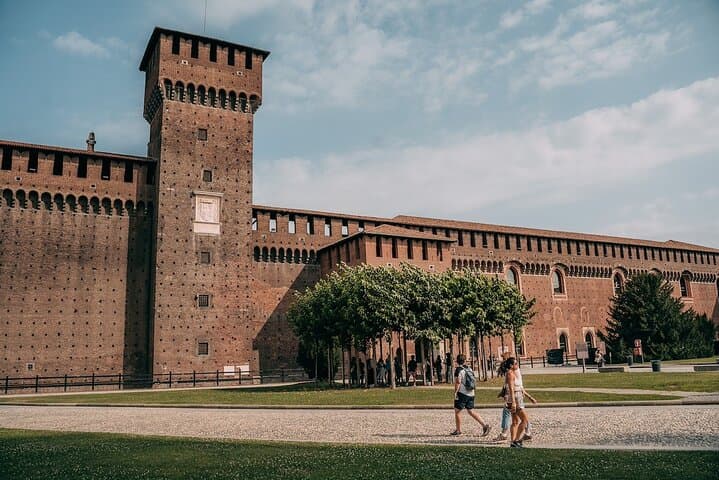
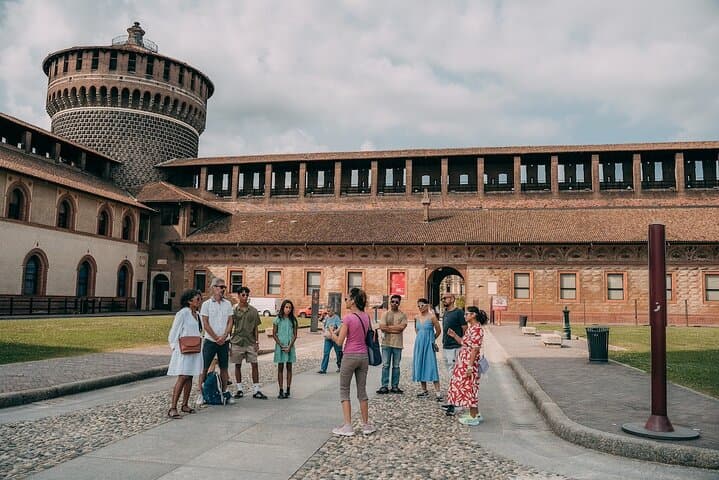
You meet at Piazzale Cadorna beneath the tall Needle, Thread and Knot sculpture; the city unfurls around you in a patchwork of stone, iron and glass as the guide points the way. The walk threads from the shaded grass of Parco Sempione to the fortress bulk of Castello Sforzesco, then slides down Via Dante toward the clamor of Piazza Affari and the quiet angles of medieval Piazza dei Mercanti.
Verified experiences and guided adventures in the surrounding area.
Operated by Ways · Milan, Lombardy
You meet at Piazzale Cadorna beneath the tall Needle, Thread and Knot sculpture; the city unfurls around you in a patchwork of stone, iron and glass as the guide points the way. The walk threads from the shaded grass of Parco Sempione to the fortress bulk of Castello Sforzesco, then slides down Via Dante toward the clamor of Piazza Affari and the quiet angles of medieval Piazza dei Mercanti.
Milan’s story reads like its streets: a Roman grid reshaped by medieval walls, bolstered by Sforza-era fortifications and polished by 19th-century commerce. Geology plays a quieter role — the flat Po Valley plain and alluvial soils allowed the dense urban fabric to spread, while marble and brick from Lombardy give the Duomo and surrounding palazzi their color and weight.
Culturally, the tour sketches Milan’s twin faces: finance and fashion beside opera and craft. The Galleria Vittorio Emanuele II illustrates this balance — a vaulted iron-and-glass arcade where shoppers and tourists move beneath a roof that seems to breathe light.
Practical guidance: the route is mostly paved city streets and pedestrian ways, about two hours of steady walking with frequent stops. Wear supportive shoes for cobblestones and bring a light layer for sudden breeze in open squares. Expect crowds at the Duomo and Galleria; time your visit early or late in the day to avoid the heaviest foot traffic.
Local tips: ask your guide about rooftop access at the Duomo (separate ticket) and the quiet side alleys of Brera. Keep water handy, store valuables securely, and allow extra time if you plan to enter monuments — lines can add 30–60 minutes.
easy.
2 hours.
Suitable for most fitness levels; walkers should be comfortable standing and moving for two hours with short breaks.
The tour lasts about two hours and covers mostly flat pavements and pedestrian streets with several short stops; expect steady walking with rest breaks.
No; the walk includes outdoor stops and commentary—entry tickets to the Duomo terraces or museums require separate purchase.
The tour is advertised as suitable for most fitness levels, but some parts may be difficult for those with reduced mobility due to cobbles and steps—contact the operator for specifics.
This semi-private tour uses a licensed local guide and typically keeps groups small (up to 16 in shared tours), but confirm language availability when booking.
Milan evolved from a Roman military camp into a medieval and Renaissance power; the Sforza family reshaped the cityscape and many surviving monuments date from that era.
High foot traffic stresses historic stone and interiors—follow posted rules, avoid touching frescoes or sculptures, and use official pathways to help preserve sites.
Ways operates guided outdoor trips and adventures with an emphasis on safety, stewardship, and memorable experiences.
You meet at Piazzale Cadorna beneath the tall Needle, Thread and Knot sculpture; the city unfurls around you in a patchwork of stone, iron and glass as the guide points the way. The walk threads from the shaded grass of Parco Sempione to the fortress bulk of Castello Sforzesco, then slides down Via Dante toward the clamor of Piazza Affari and the quiet angles of medieval Piazza dei Mercanti.
You meet at Piazzale Cadorna beneath the tall Needle, Thread and Knot sculpture; the city unfurls around you in a patchwork of stone, iron and glass as the guide points the way. The walk threads from the shaded grass of Parco Sempione to the fortress bulk of Castello Sforzesco, then slides down Via Dante toward the clamor of Piazza Affari and the quiet angles of medieval Piazza dei Mercanti.
Milan’s story reads like its streets: a Roman grid reshaped by medieval walls, bolstered by Sforza-era fortifications and polished by 19th-century commerce. Geology plays a quieter role — the flat Po Valley plain and alluvial soils allowed the dense urban fabric to spread, while marble and brick from Lombardy give the Duomo and surrounding palazzi their color and weight.
Culturally, the tour sketches Milan’s twin faces: finance and fashion beside opera and craft. The Galleria Vittorio Emanuele II illustrates this balance — a vaulted iron-and-glass arcade where shoppers and tourists move beneath a roof that seems to breathe light.
Practical guidance: the route is mostly paved city streets and pedestrian ways, about two hours of steady walking with frequent stops. Wear supportive shoes for cobblestones and bring a light layer for sudden breeze in open squares. Expect crowds at the Duomo and Galleria; time your visit early or late in the day to avoid the heaviest foot traffic.
Local tips: ask your guide about rooftop access at the Duomo (separate ticket) and the quiet side alleys of Brera. Keep water handy, store valuables securely, and allow extra time if you plan to enter monuments — lines can add 30–60 minutes.