THE ADVENTURE COLLECTIVE® · Independent discovery and booking for outdoor travel

Step off the vehicle and into the pulse of the African bush on a combined walking safari and game drive in Mikumi National Park. This day trip from Morogoro pairs close-up natural history on foot with classic plains wildlife viewing by vehicle.
Step off the vehicle and into the pulse of the African bush on a combined walking safari and game drive in Mikumi National Park. This day trip from Morogoro pairs close-up natural history on foot with classic plains wildlife viewing by vehicle.
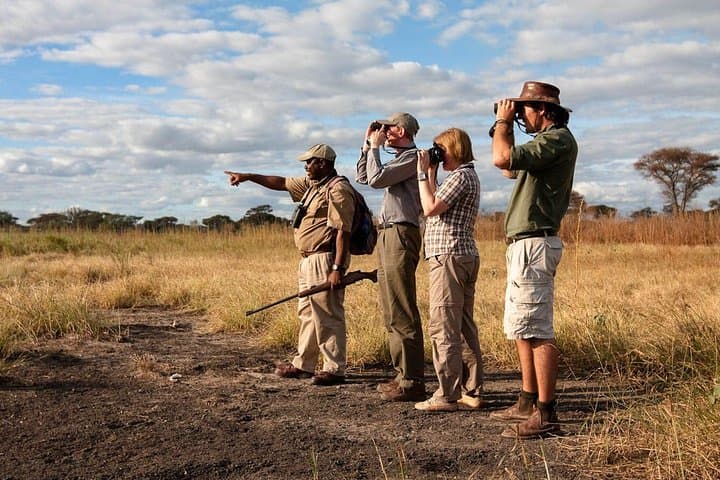
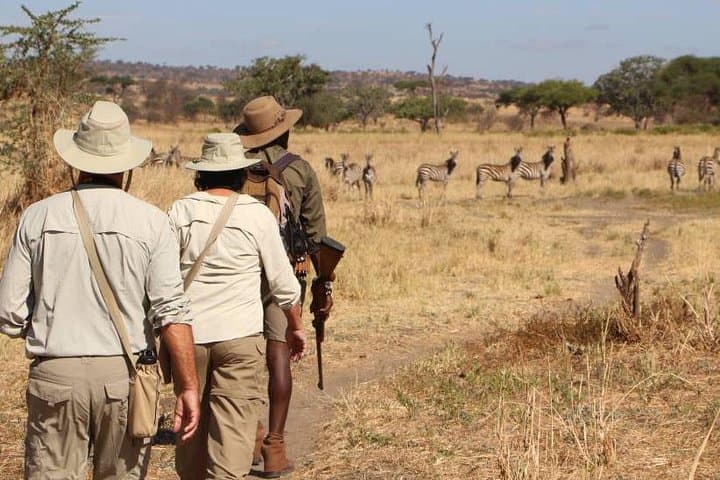
Dawn breaks over open savanna and the first light paints the koppies gold as your guide leads you on foot into Mikumi National Park. The grass breathes around your boots; birds call and distant hooves drum the rhythm of waking herds. On a walking safari the bush feels active, curious—trees lean in, rivers dare you to cross their dry beds, and every scent has a story.
Verified experiences and guided adventures in the surrounding area.
Operated by Safaris Partners · Morogoro, Morogoro Region
Dawn breaks over open savanna and the first light paints the koppies gold as your guide leads you on foot into Mikumi National Park. The grass breathes around your boots; birds call and distant hooves drum the rhythm of waking herds. On a walking safari the bush feels active, curious—trees lean in, rivers dare you to cross their dry beds, and every scent has a story.
Mikumi sits in Tanzania’s Morogoro Region on the edge of the vast Mkata floodplain. Created in the 1960s to protect migratory corridors between the southern lowlands and the highlands, the park’s geology is flat to gently undulating with seasonal drainages that shape wildlife movement. Culture here is Maasai and Wagogo-influenced; local communities still read the land for grazing and water.
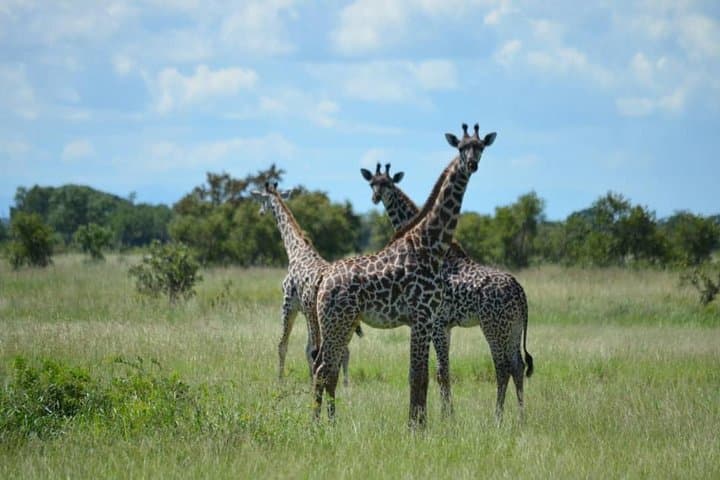
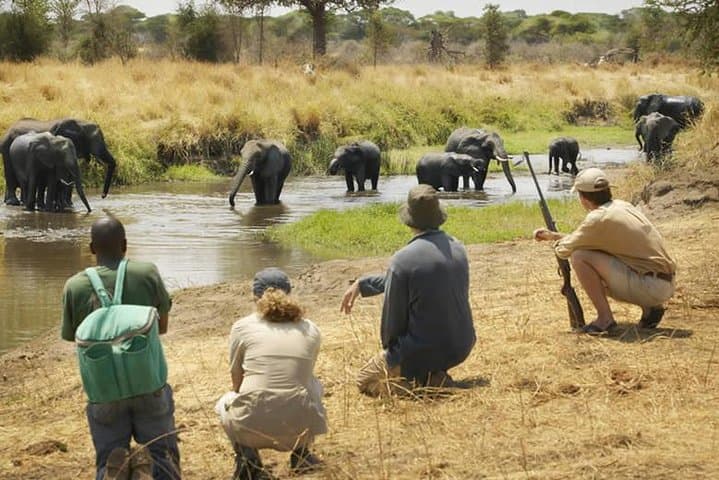
Practically, expect a full day: a pre-dawn walking segment of roughly 45–90 minutes accompanied by an armed ranger, followed by breakfast and extended game drives. Wildlife sightings—elephant, giraffe, buffalo, zebra, and sometimes lion—are year-round but concentrate near water during the dry months. Temperatures climb mid-day; guides time the outings to cooler hours for safety and visibility.
Bring layered clothing, sun protection, and binoculars; keep voices low on walks and stay with your guide—animals are wild and can approach quickly. Registration at park entry takes about 15 minutes. The trip is flexible: customizable to multi-day routes that include Udzungwa’s Sanje Waterfalls for hikers who want river trails after plains viewing.
moderate.
8–12 hours.
Moderate fitness; able to walk 1–2 hours over uneven ground and tolerate a full day in heat.
Walking safaris generally last 45–90 minutes, timed for cooler morning or late-afternoon conditions and accompanied by an armed ranger.
Children can participate but must be supervised; operators may set minimum age limits for walking sections—confirm at booking.
Common sightings include elephants, giraffes, buffalo, zebras, impala and a variety of birds; lions and hippos are present but sightings aren’t guaranteed.
Yes when guided—walks are led by experienced guides and armed rangers who manage route choice, distance from wildlife, and visitor safety.
Mikumi was designated a national park in the 1960s to protect seasonal migration corridors and the Mkata floodplain’s unique grasslands.
The park is part of a larger ecosystem vulnerable to poaching and human-wildlife conflict; responsible tourism and staying on designated routes help reduce impact.
Safaris Partners operates guided outdoor trips and adventures with an emphasis on safety, stewardship, and memorable experiences.
Dawn breaks over open savanna and the first light paints the koppies gold as your guide leads you on foot into Mikumi National Park. The grass breathes around your boots; birds call and distant hooves drum the rhythm of waking herds. On a walking safari the bush feels active, curious—trees lean in, rivers dare you to cross their dry beds, and every scent has a story.
Dawn breaks over open savanna and the first light paints the koppies gold as your guide leads you on foot into Mikumi National Park. The grass breathes around your boots; birds call and distant hooves drum the rhythm of waking herds. On a walking safari the bush feels active, curious—trees lean in, rivers dare you to cross their dry beds, and every scent has a story.
Mikumi sits in Tanzania’s Morogoro Region on the edge of the vast Mkata floodplain. Created in the 1960s to protect migratory corridors between the southern lowlands and the highlands, the park’s geology is flat to gently undulating with seasonal drainages that shape wildlife movement. Culture here is Maasai and Wagogo-influenced; local communities still read the land for grazing and water.
Practically, expect a full day: a pre-dawn walking segment of roughly 45–90 minutes accompanied by an armed ranger, followed by breakfast and extended game drives. Wildlife sightings—elephant, giraffe, buffalo, zebra, and sometimes lion—are year-round but concentrate near water during the dry months. Temperatures climb mid-day; guides time the outings to cooler hours for safety and visibility.
Bring layered clothing, sun protection, and binoculars; keep voices low on walks and stay with your guide—animals are wild and can approach quickly. Registration at park entry takes about 15 minutes. The trip is flexible: customizable to multi-day routes that include Udzungwa’s Sanje Waterfalls for hikers who want river trails after plains viewing.