THE ADVENTURE COLLECTIVE® · Independent discovery and booking for outdoor travel

Spend two days between Mikumi National Park’s open plains and a Maasai village visit—sunrise game drives, a night in park bandas, and a brief cultural exchange on the return. This short safari pairs high wildlife visibility with an intimate look at Maasai traditions.
Spend two days between Mikumi National Park’s open plains and a Maasai village visit—sunrise game drives, a night in park bandas, and a brief cultural exchange on the return. This short safari pairs high wildlife visibility with an intimate look at Maasai traditions.
Dawn shakes the dust off a long road as the minivan lungs its way out of Dar es Salaam, and by late afternoon Mikumi’s flat savanna opens like a page in a field guide. Acacia and baobab puncture the horizon, termites sculpt mounds into miniature towers, and the park’s granite shoulders—outliers of the Rubeho and Uluguru ranges—watch over the plains.
Verified experiences and guided adventures in the surrounding area.
Operated by KURUMBIZI TOURS & SAFARIS · Mikumi, Morogoro Region
Dawn shakes the dust off a long road as the minivan lungs its way out of Dar es Salaam, and by late afternoon Mikumi’s flat savanna opens like a page in a field guide. Acacia and baobab puncture the horizon, termites sculpt mounds into miniature towers, and the park’s granite shoulders—outliers of the Rubeho and Uluguru ranges—watch over the plains.
Mikumi sits on the southern edge of Tanzania’s Eastern Arc foothills; the park’s geology is a slow collision of ancient metamorphic rock and more recent volcanic deposits, which gives rise to the low ridges and scattered kopjes where wildlife gathers. The Maasai you meet on the return route maintain practices shaped by pastoral life and colonial-era borders; their song and dance are living chapters of a culture now negotiating city life and tradition.
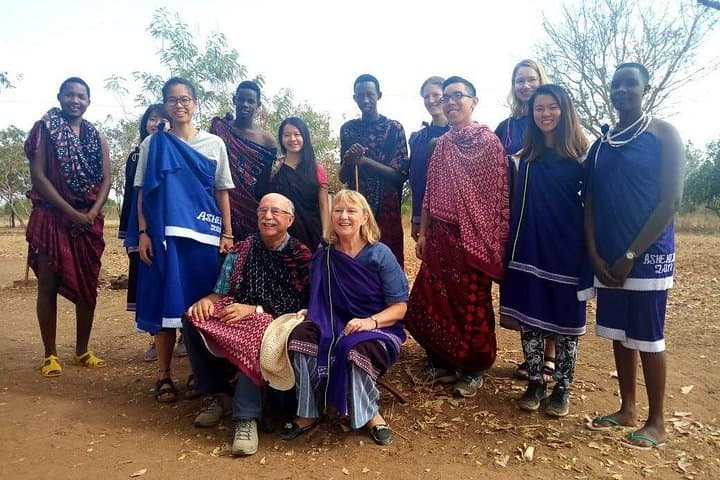
Expect two full days of wildlife viewing: an evening or sunset drive followed by a sunrise game drive where light and animal activity intensify together. Bird song accompanies the dawn; warthogs and zebra graze in open grassland, and giraffe and elephant move with purpose across sightlines. The Maasai visit includes a short Boma tour, a cultural demonstration, and the chance to dress in traditional shuka for photos.
Practical: pack layered clothing for cool mornings, bring binoculars and cash for crafts, and plan for dusty roads and basic park bandas. Game drives are bumpy; those with back problems should take precautions. With reservations confirmed in advance and park fees included, this two-day loop balances wildlife focus with a concise cultural exchange—ideal for travelers pressed for time but hungry for an authentic Tanzanian safari slice.
moderate.
2 days (48 hours).
Moderate fitness: able to sit through bumpy drives, short guided walks, and manage basic campsite or lodge stairs.
The transfer is about 4–6 hours (roughly 283 km) depending on traffic and stops; expect a long but scenically rewarding drive.
Common sightings include zebra, giraffe, buffalo, elephants, impala, and a variety of birds; large predator sightings are possible but not guaranteed.
Overnight stays are in park bandas (basic lodges) inside Mikumi; amenities are comfortable but rustic compared with city hotels.
Yes—visits are arranged with local hosts, include guided Boma tours, and typically feature song and dance demonstrations; follow guide instructions and ask before taking photos.
Mikumi was established in 1964 and functions as a biological corridor between the Southern and Northern Serengeti ecosystems, shaped by colonial game policies and post-independence conservation efforts.
Park management balances tourism with habitat protection; visitors should stick to designated tracks, avoid feeding wildlife, and support local conservation fees.
KURUMBIZI TOURS & SAFARIS operates guided outdoor trips and adventures with an emphasis on safety, stewardship, and memorable experiences.



Dawn shakes the dust off a long road as the minivan lungs its way out of Dar es Salaam, and by late afternoon Mikumi’s flat savanna opens like a page in a field guide. Acacia and baobab puncture the horizon, termites sculpt mounds into miniature towers, and the park’s granite shoulders—outliers of the Rubeho and Uluguru ranges—watch over the plains.
Dawn shakes the dust off a long road as the minivan lungs its way out of Dar es Salaam, and by late afternoon Mikumi’s flat savanna opens like a page in a field guide. Acacia and baobab puncture the horizon, termites sculpt mounds into miniature towers, and the park’s granite shoulders—outliers of the Rubeho and Uluguru ranges—watch over the plains.
Mikumi sits on the southern edge of Tanzania’s Eastern Arc foothills; the park’s geology is a slow collision of ancient metamorphic rock and more recent volcanic deposits, which gives rise to the low ridges and scattered kopjes where wildlife gathers. The Maasai you meet on the return route maintain practices shaped by pastoral life and colonial-era borders; their song and dance are living chapters of a culture now negotiating city life and tradition.
Expect two full days of wildlife viewing: an evening or sunset drive followed by a sunrise game drive where light and animal activity intensify together. Bird song accompanies the dawn; warthogs and zebra graze in open grassland, and giraffe and elephant move with purpose across sightlines. The Maasai visit includes a short Boma tour, a cultural demonstration, and the chance to dress in traditional shuka for photos.
Practical: pack layered clothing for cool mornings, bring binoculars and cash for crafts, and plan for dusty roads and basic park bandas. Game drives are bumpy; those with back problems should take precautions. With reservations confirmed in advance and park fees included, this two-day loop balances wildlife focus with a concise cultural exchange—ideal for travelers pressed for time but hungry for an authentic Tanzanian safari slice.