THE ADVENTURE COLLECTIVE® · Independent discovery and booking for outdoor travel

Mikumi National Park offers compact, reliable game viewing across the Mkata Floodplain—elephants, lions, hippos and herds of zebra in a less-crowded setting than Tanzania’s northern parks. This 2–3 day safari pairs early-morning drives with intimate southern-zone stops for high-probability sightings.
Mikumi National Park offers compact, reliable game viewing across the Mkata Floodplain—elephants, lions, hippos and herds of zebra in a less-crowded setting than Tanzania’s northern parks. This 2–3 day safari pairs early-morning drives with intimate southern-zone stops for high-probability sightings.
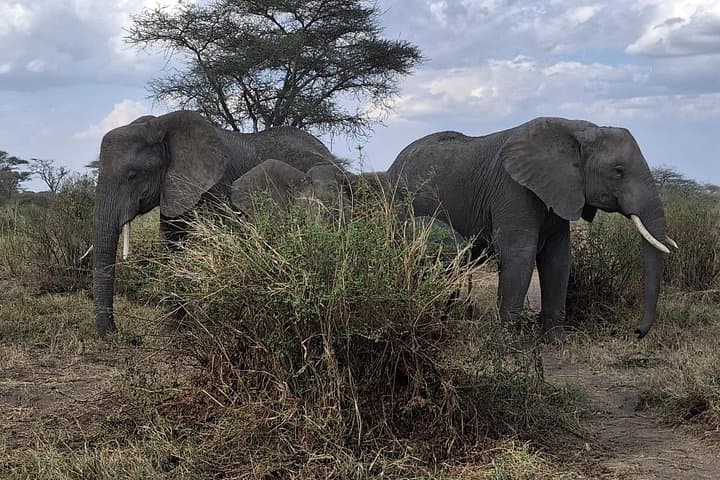
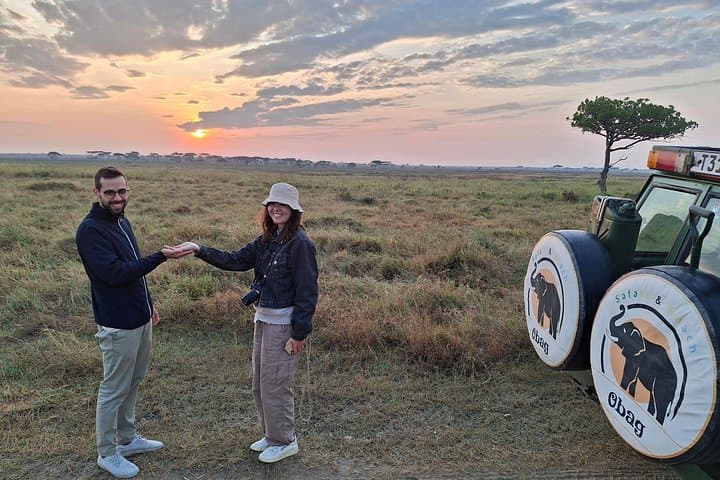
The dust lifts as the Land Cruiser eases off the tarmac and the Mkata Floodplain opens like a plain-stage—long grass bowing to the wind, a distant tower of acacia punctuating the horizon. Early light carves lions and elephants into sharp silhouettes; hippos grumble from a shady pool while zebras thread across the floodplain.
Verified experiences and guided adventures in the surrounding area.
Operated by Obag Africa Safaris · Mikumi, Morogoro Region
The dust lifts as the Land Cruiser eases off the tarmac and the Mkata Floodplain opens like a plain-stage—long grass bowing to the wind, a distant tower of acacia punctuating the horizon. Early light carves lions and elephants into sharp silhouettes; hippos grumble from a shady pool while zebras thread across the floodplain.
Mikumi National Park sits on the southern edge of Tanzania’s Rift landscape, formed by seasonal floodplain deposits and low rolling hills. Established in the 1960s as part of Tanzania’s national park network, it has long served as a wildlife corridor between the Selous and the highlands. The park’s culture is rural and pastoral: Maasai and local Sukuma and Hehe communities graze cattle on the park perimeter and small villages offer roadside markets on the drive in.
Game drives in Mikumi are direct and elemental—wide-view plains, concentrated waterholes, and quieter southern zones with far fewer vehicles. Guides read spoor and wind like a language, steering toward the Hippo Pool and the Millennium Area for high probability sightings.
Practical guidance: schedule morning and late-afternoon drives when animals are most active, bring binoculars and a telephoto lens, and wear neutral, layered clothing for cool starts and hot noons. Stay hydrated—carry at least 2 liters—and pack motion-sickness remedies for bumpy tracks. Respect park rules: stay in the vehicle, maintain distance from wildlife, and follow your guide’s instructions. With basic preparation, Mikumi delivers a compact, high-value safari—raw, accessible, and rewarding for anyone seeking big-game viewing without Serengeti crowds.
easy.
2–3 days.
Light fitness required—able to handle multi-hour vehicle drives and short walks at camps.
The dry season (June–October) concentrates animals around water and offers clearer roads; the green season (November–May) brings lush scenery, fewer vehicles, and excellent birding and calving events.
Expect roughly a 4–6 hour drive from Dar es Salaam to Mikumi depending on traffic and stops—tours often combine a transfer with an overnight stay.
Yes—many operators accommodate children, but infants and those with spinal issues should be assessed; always follow safety rules and vehicle guidance.
Vaccinations and malaria prophylaxis are recommended—check current CDC or WHO guidance and consult your travel clinic well before departure.
Mikumi was designated a national park in the 1960s to protect the Mkata Floodplain and its seasonal wildlife corridors connecting to southern reserves.
Tourism fees and guided access help fund anti-poaching and community programs; visitors should follow park rules to minimize disturbance and support local conservation efforts.
Obag Africa Safaris operates guided outdoor trips and adventures with an emphasis on safety, stewardship, and memorable experiences.
The dust lifts as the Land Cruiser eases off the tarmac and the Mkata Floodplain opens like a plain-stage—long grass bowing to the wind, a distant tower of acacia punctuating the horizon. Early light carves lions and elephants into sharp silhouettes; hippos grumble from a shady pool while zebras thread across the floodplain.
The dust lifts as the Land Cruiser eases off the tarmac and the Mkata Floodplain opens like a plain-stage—long grass bowing to the wind, a distant tower of acacia punctuating the horizon. Early light carves lions and elephants into sharp silhouettes; hippos grumble from a shady pool while zebras thread across the floodplain.
Mikumi National Park sits on the southern edge of Tanzania’s Rift landscape, formed by seasonal floodplain deposits and low rolling hills. Established in the 1960s as part of Tanzania’s national park network, it has long served as a wildlife corridor between the Selous and the highlands. The park’s culture is rural and pastoral: Maasai and local Sukuma and Hehe communities graze cattle on the park perimeter and small villages offer roadside markets on the drive in.
Game drives in Mikumi are direct and elemental—wide-view plains, concentrated waterholes, and quieter southern zones with far fewer vehicles. Guides read spoor and wind like a language, steering toward the Hippo Pool and the Millennium Area for high probability sightings.
Practical guidance: schedule morning and late-afternoon drives when animals are most active, bring binoculars and a telephoto lens, and wear neutral, layered clothing for cool starts and hot noons. Stay hydrated—carry at least 2 liters—and pack motion-sickness remedies for bumpy tracks. Respect park rules: stay in the vehicle, maintain distance from wildlife, and follow your guide’s instructions. With basic preparation, Mikumi delivers a compact, high-value safari—raw, accessible, and rewarding for anyone seeking big-game viewing without Serengeti crowds.