THE ADVENTURE COLLECTIVE® · Independent discovery and booking for outdoor travel

A full-day safari from Dar es Salaam to Mikumi National Park compresses classic East African wildlife into a single long, rewarding day. Expect a pre-dawn departure, long drives, and concentrated game drives across open floodplain where elephants, lions and giraffe are regularly seen.
A full-day safari from Dar es Salaam to Mikumi National Park compresses classic East African wildlife into a single long, rewarding day. Expect a pre-dawn departure, long drives, and concentrated game drives across open floodplain where elephants, lions and giraffe are regularly seen.
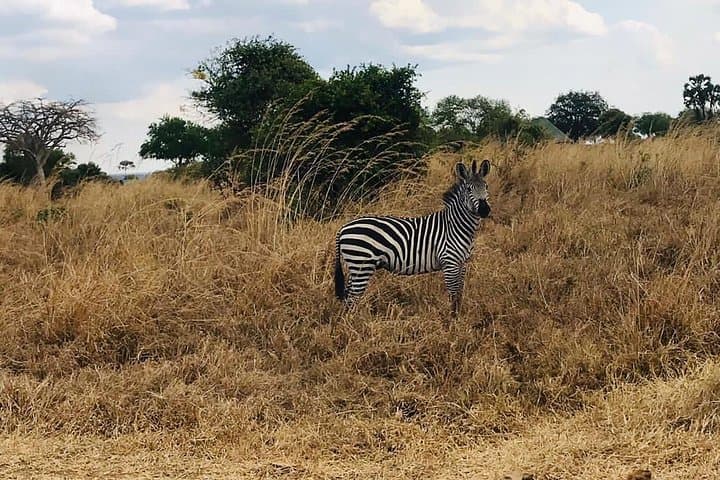
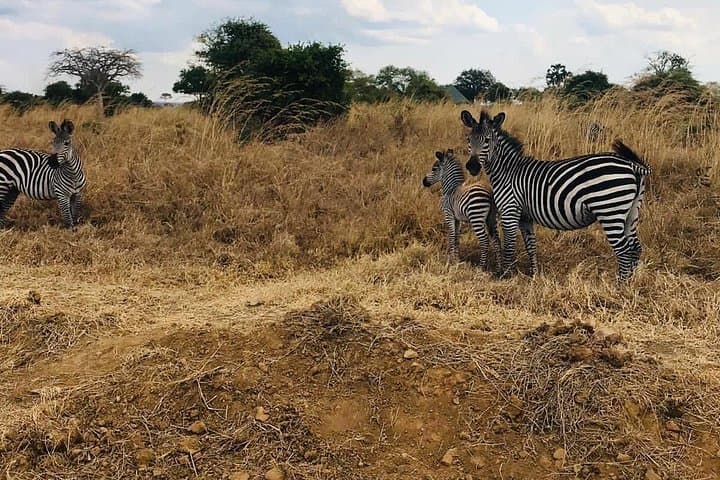
You leave Dar es Salaam before dawn, headlights cutting through the flat coastal scrub as the world cools and the road becomes a ribbon toward the interior. By midmorning the horizon opens to broad grasslands; Mikumi’s plains stand like an invitation and immediately begin to test your expectations — buffalo and zebra scatter, giraffes move like living sentinels, and distant dust marks the slow progress of elephants.
Verified experiences and guided adventures in the surrounding area.
Operated by Safaris Partners · Mikumi, Morogoro Region
You leave Dar es Salaam before dawn, headlights cutting through the flat coastal scrub as the world cools and the road becomes a ribbon toward the interior. By midmorning the horizon opens to broad grasslands; Mikumi’s plains stand like an invitation and immediately begin to test your expectations — buffalo and zebra scatter, giraffes move like living sentinels, and distant dust marks the slow progress of elephants.
Mikumi sits at the southern edge of the Eastern Arc, where the Mkata Floodplain and the Uluguru foothills shape short-grass savanna. The park’s geology is simple and honest: flat floodplain punctuated by koppies (rocky outcrops) that lift above grass and acacia, giving both vantage points for predators and refuge for birds. Culturally, the region is tied to nearby Morogoro towns and pastoral communities whose seasonal grazing patterns still shape how wildlife moves through the park.
A typical one-day itinerary is a 3am pickup, a 6+ hour transfer, morning and afternoon game drives with a midday lunch in the park, and a late return to Dar es Salaam. Expect long seat time and multiple stops for sightings; guides read spoor and waterholes the way a navigator reads the weather.
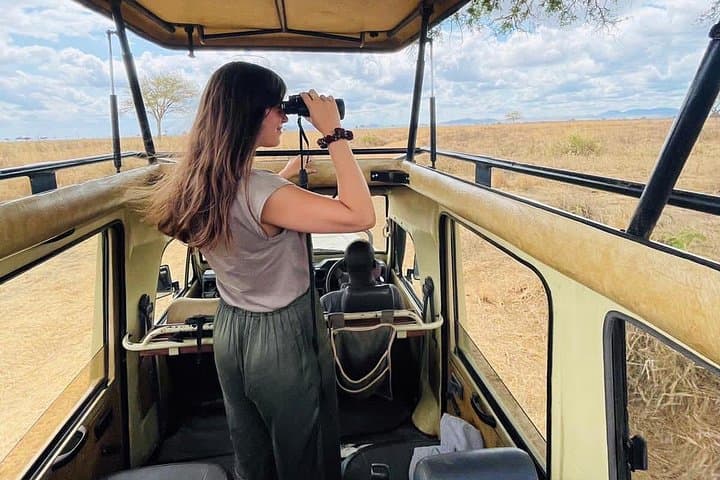
Practical tips: start early to reach the park at first light, bring sunscreen, snacks and at least 2 liters of water, and use binoculars for distant sightings. Roads inside can be dusty or rutted after rain, so pack layers and a waterproof shell in wet months. Mobile signal is intermittent; plan logistics and medication ahead of time.
moderate.
14 hours.
Suitable for travelers in average fitness—long periods of sitting and some short walks; prepare for a full day of travel.
Expect about a 6–7 hour drive each way depending on traffic and road conditions; the itinerary typically starts very early and returns late evening.
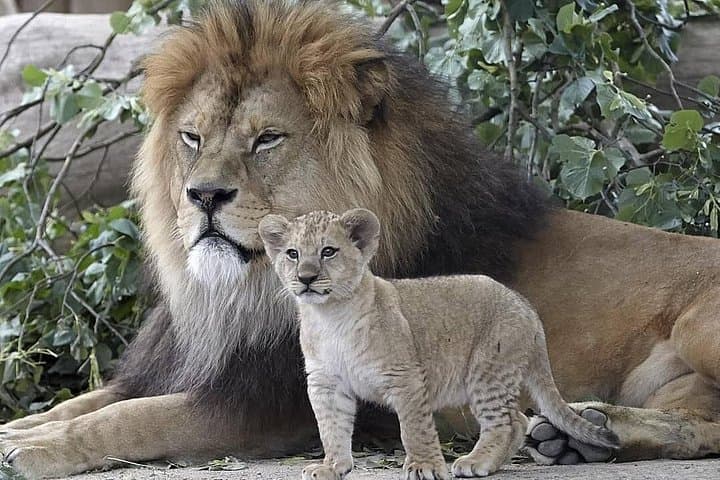
Common sightings include elephants, giraffes, zebra, wildebeest, impala, buffalo and a good variety of birds; lions and hippos are possible but not guaranteed on a single-day outing.
Yes—most day tours include a packed or picnic lunch within designated areas of the park where you can often see wildlife nearby.
Basic facilities exist at park rest areas and the visitor center, but mobile phone coverage is intermittent—plan accordingly and bring cash for park fees if required.
Mikumi protects the Mkata Floodplain and serves as an ecological corridor between larger southern parks; its establishment preserved both savanna habitat and seasonal migration routes.
Tourism revenue supports park management but pressures from grazing, poaching and habitat change persist; travel that follows park rules and uses licensed operators helps conservation efforts.
Safaris Partners operates guided outdoor trips and adventures with an emphasis on safety, stewardship, and memorable experiences.
You leave Dar es Salaam before dawn, headlights cutting through the flat coastal scrub as the world cools and the road becomes a ribbon toward the interior. By midmorning the horizon opens to broad grasslands; Mikumi’s plains stand like an invitation and immediately begin to test your expectations — buffalo and zebra scatter, giraffes move like living sentinels, and distant dust marks the slow progress of elephants.
You leave Dar es Salaam before dawn, headlights cutting through the flat coastal scrub as the world cools and the road becomes a ribbon toward the interior. By midmorning the horizon opens to broad grasslands; Mikumi’s plains stand like an invitation and immediately begin to test your expectations — buffalo and zebra scatter, giraffes move like living sentinels, and distant dust marks the slow progress of elephants.
Mikumi sits at the southern edge of the Eastern Arc, where the Mkata Floodplain and the Uluguru foothills shape short-grass savanna. The park’s geology is simple and honest: flat floodplain punctuated by koppies (rocky outcrops) that lift above grass and acacia, giving both vantage points for predators and refuge for birds. Culturally, the region is tied to nearby Morogoro towns and pastoral communities whose seasonal grazing patterns still shape how wildlife moves through the park.
A typical one-day itinerary is a 3am pickup, a 6+ hour transfer, morning and afternoon game drives with a midday lunch in the park, and a late return to Dar es Salaam. Expect long seat time and multiple stops for sightings; guides read spoor and waterholes the way a navigator reads the weather.
Practical tips: start early to reach the park at first light, bring sunscreen, snacks and at least 2 liters of water, and use binoculars for distant sightings. Roads inside can be dusty or rutted after rain, so pack layers and a waterproof shell in wet months. Mobile signal is intermittent; plan logistics and medication ahead of time.