THE ADVENTURE COLLECTIVE® · Independent discovery and booking for outdoor travel

Spend two days tracking elephants, lions and migratory herds across Mikumi National Park. This accessible safari from Dar es Salaam pairs sunset and sunrise game drives with a night at a lodge and focused wildlife viewing along the Mkata River.
Spend two days tracking elephants, lions and migratory herds across Mikumi National Park. This accessible safari from Dar es Salaam pairs sunset and sunrise game drives with a night at a lodge and focused wildlife viewing along the Mkata River.
You roll out of Dar es Salaam before dawn, the highway shrinking beneath a rising sun as the city gives way to scrub and-painted hills. By midafternoon the road opens into Mikumi’s broad savanna; termite mounds stand like lonely watchposts and a lone giraffe dots the skyline. The first game drive cracks the silence—elephants amble through acacia fringes, and lions, patient and deliberate, observe from flattened mounds.
Verified experiences and guided adventures in the surrounding area.
Operated by Kilimanjaro Safari Experience · Mikumi, Morogoro Region
You roll out of Dar es Salaam before dawn, the highway shrinking beneath a rising sun as the city gives way to scrub and-painted hills. By midafternoon the road opens into Mikumi’s broad savanna; termite mounds stand like lonely watchposts and a lone giraffe dots the skyline. The first game drive cracks the silence—elephants amble through acacia fringes, and lions, patient and deliberate, observe from flattened mounds.
Mikumi sits on the northern edge of the vast Selous ecosystem, a patchwork of grassland, woodland and floodplain shaped by the Mkata River. Geologically the park is a low-lying plain carved by seasonal watercourses; culturally it’s been a hunting ground turned protected space that supports pastoral communities and migration routes for zebra and wildebeest.
Expect two full days of vehicle-based wildlife viewing, one night at a lodge and sunrise drives when animals are most active. Guides use knowledge of waterholes—Chamgore and Mkata—to time encounters; birders will note saddle-bill storks and malachite kingfishers among 300+ species. Roads can be dusty in the dry season and muddy when rains arrive.
Practical essentials: pack sun protection, a good pair of binoculars, and layered clothing for chilly pre-dawn starts. Carry water and motion-sickness remedies if you’re prone to long drives. Vehicle steps and uneven paths are the norm—ask for assistance if mobility is limited. Plan arrival in Dar es Salaam a day early for reliable pickup timing, and budget for park fees and modest gratuities that support local guides. Mikumi rewards patience: silence often turns into sudden movement, and a river can lure life from the grasses as if calling you closer.
easy.
2 days.
Light fitness; most activity is vehicle-based but you should be comfortable climbing vehicle steps and short walks.
The road transfer is roughly 4–6 hours depending on traffic and stops; expect a lunch break in Morogoro en route.
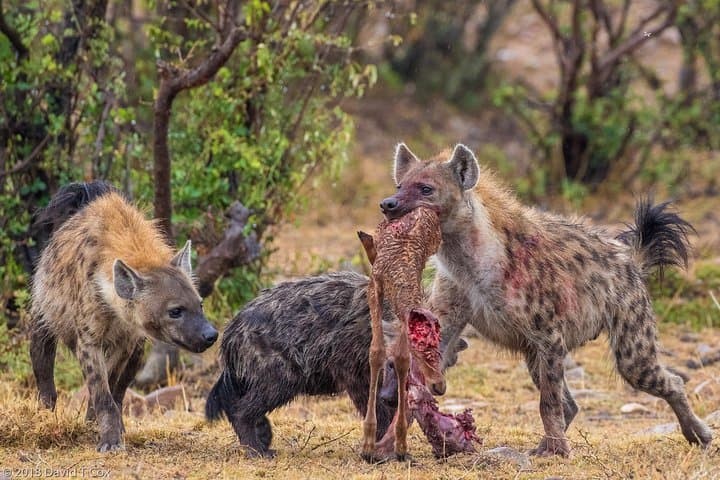
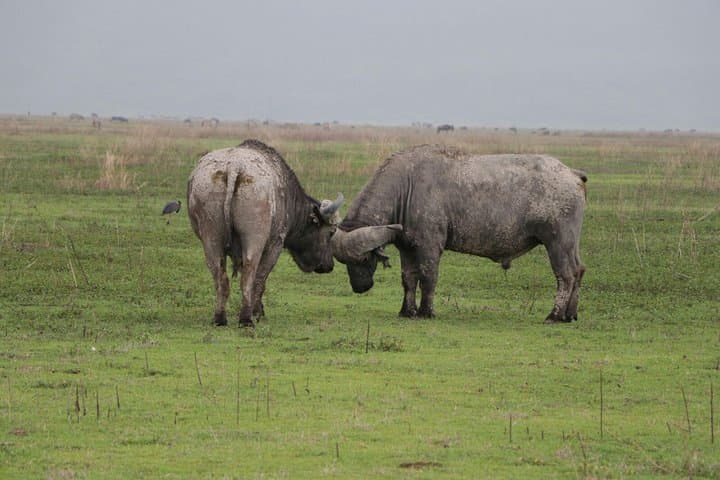
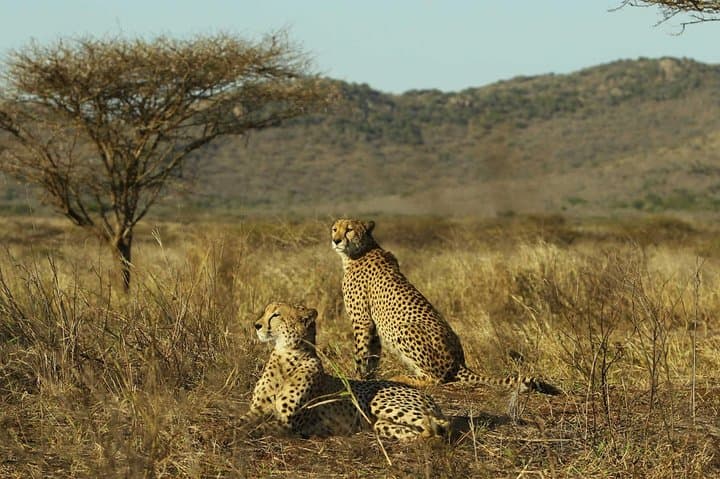
Mikumi regularly hosts elephants, lions and buffalo; rhino are not present and leopard sightings are less common—wildlife sightings cannot be guaranteed.
Vehicles and some lodges offer accessibility options, but terrain and game viewing often require stepping up into safari vehicles—discuss needs with your operator before booking.
Most organized two-day packages include park fees, lodge accommodation and transfers; confirm inclusions and any optional extras when booking.
Mikumi forms the northern gateway to the larger Selous ecosystem and was established to protect migration routes and resident savanna species.
The park is part of a broader conservation landscape facing poaching and habitat pressures; responsible tourism and park fees directly support anti-poaching and community programs.
Kilimanjaro Safari Experience operates guided outdoor trips and adventures with an emphasis on safety, stewardship, and memorable experiences.
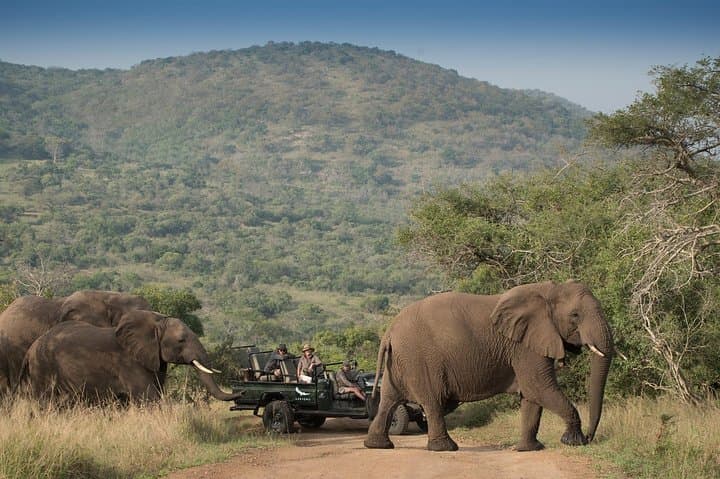
You roll out of Dar es Salaam before dawn, the highway shrinking beneath a rising sun as the city gives way to scrub and-painted hills. By midafternoon the road opens into Mikumi’s broad savanna; termite mounds stand like lonely watchposts and a lone giraffe dots the skyline. The first game drive cracks the silence—elephants amble through acacia fringes, and lions, patient and deliberate, observe from flattened mounds.
You roll out of Dar es Salaam before dawn, the highway shrinking beneath a rising sun as the city gives way to scrub and-painted hills. By midafternoon the road opens into Mikumi’s broad savanna; termite mounds stand like lonely watchposts and a lone giraffe dots the skyline. The first game drive cracks the silence—elephants amble through acacia fringes, and lions, patient and deliberate, observe from flattened mounds.
Mikumi sits on the northern edge of the vast Selous ecosystem, a patchwork of grassland, woodland and floodplain shaped by the Mkata River. Geologically the park is a low-lying plain carved by seasonal watercourses; culturally it’s been a hunting ground turned protected space that supports pastoral communities and migration routes for zebra and wildebeest.
Expect two full days of vehicle-based wildlife viewing, one night at a lodge and sunrise drives when animals are most active. Guides use knowledge of waterholes—Chamgore and Mkata—to time encounters; birders will note saddle-bill storks and malachite kingfishers among 300+ species. Roads can be dusty in the dry season and muddy when rains arrive.
Practical essentials: pack sun protection, a good pair of binoculars, and layered clothing for chilly pre-dawn starts. Carry water and motion-sickness remedies if you’re prone to long drives. Vehicle steps and uneven paths are the norm—ask for assistance if mobility is limited. Plan arrival in Dar es Salaam a day early for reliable pickup timing, and budget for park fees and modest gratuities that support local guides. Mikumi rewards patience: silence often turns into sudden movement, and a river can lure life from the grasses as if calling you closer.