THE ADVENTURE COLLECTIVE® · Independent discovery and booking for outdoor travel

A compact, full-day safari from Morogoro to Mikumi National Park that maximizes wildlife sightings—lions, elephants, hippos and crocodiles—on accessible plains. Ideal for travelers who want an efficient big-game experience without long transfers.
A compact, full-day safari from Morogoro to Mikumi National Park that maximizes wildlife sightings—lions, elephants, hippos and crocodiles—on accessible plains. Ideal for travelers who want an efficient big-game experience without long transfers.
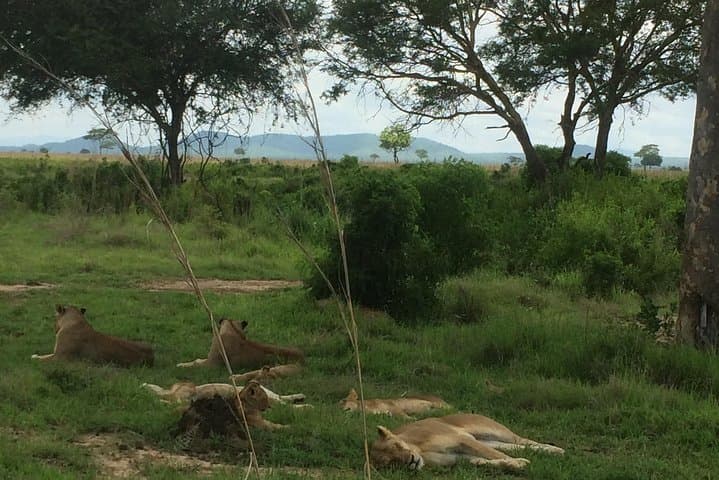
You pull off the highway and the landscape opens: low, grassy plains meeting stands of miombo and acacia, an oxbow of slow water where hippo breathe and a lone elephant picks its way toward a distant waterhole. The safari car hums and the guide points—lions visible against the pale grass—while the air smells of dust and sun-warmed vegetation.
Verified experiences and guided adventures in the surrounding area.
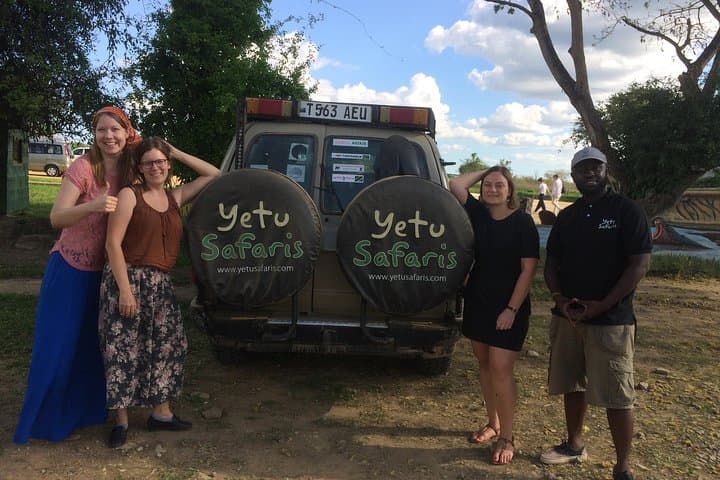
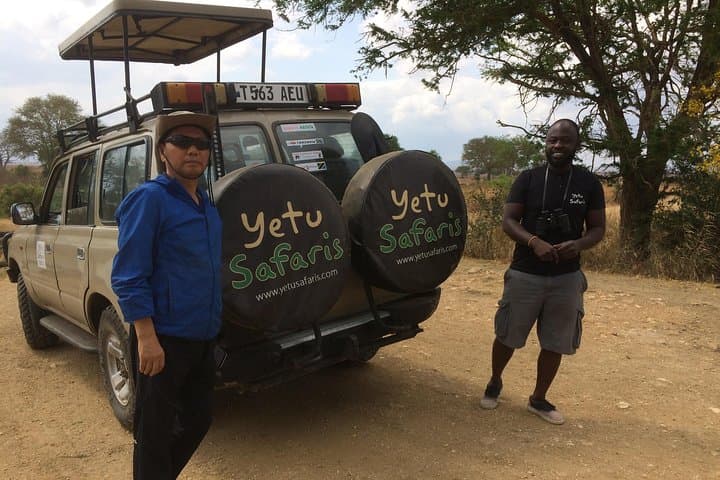
Operated by Yetu Safaris · Mikumi, Morogoro Region
You pull off the highway and the landscape opens: low, grassy plains meeting stands of miombo and acacia, an oxbow of slow water where hippo breathe and a lone elephant picks its way toward a distant waterhole. The safari car hums and the guide points—lions visible against the pale grass—while the air smells of dust and sun-warmed vegetation.
Mikumi National Park occupies a slice of Tanzania’s southern savanna, sitting on the Mkata floodplain that links toward the greater Selous ecosystem. Geologically it’s a lowland plain scored by seasonal rivers; ecologically it’s classic East African savanna, home to grazing herds, big cats and croc-lined pools. Around Mikumi, farming towns in Morogoro Region and pastoral routes shape local life and the rhythms you’ll witness en route.
On a day trip from Morogoro you’ll spend most of the time in a safari vehicle with a driver-guide, scanning for the big five, hippo in the water, and crocodiles sunning on banks. Wildlife is most active early morning and late afternoon; midday is for shady rests and roadside sightings. Respect park rules, keep distances, and let the guide position the vehicle for the least disruptive views.
Practical pointers: bring binoculars and layered sun protection, carry water and snacks, and expect dusty roads — a 1–1.5 hour drive each way depending on conditions. The dry season (June–October) concentrates game and shortens spotting time, while rains refill floodplains and draw birdlife. A private, full-day transfer from Morogoro delivers concentrated viewing and a compact introduction to Tanzanian savanna life.
easy.
8 hours.
Suitable for most fitness levels; requires ability to sit for extended periods and step in/out of a safari vehicle
The transfer is typically 1–1.5 hours each way depending on road conditions and your pickup location in Morogoro.
Mikumi has populations of lions, elephants, buffalo and occasionally rhino; sightings are common for many species but never guaranteed—one day gives a good chance at multiple big mammals and hippo in the waterholes.
This type of private day trip normally includes a safari vehicle and driver-guide; confirm whether park entrance fees are covered when booking.
Yes—terrain is flat and driving-based, making it accessible for children and older travelers, but plan for long vehicle time and bring necessary medications and comfort items.
Mikumi was established in the mid-20th century to protect lowland savanna ecosystems and functions as a key reserve on the Mkata floodplain connecting to larger southern ecosystems.
Manage visitor impact by staying on designated roads and following guide instructions; seasonal rains are vital for replenishing floodplain habitats and supporting migratory herds.
Yetu Safaris operates guided outdoor trips and adventures with an emphasis on safety, stewardship, and memorable experiences.
You pull off the highway and the landscape opens: low, grassy plains meeting stands of miombo and acacia, an oxbow of slow water where hippo breathe and a lone elephant picks its way toward a distant waterhole. The safari car hums and the guide points—lions visible against the pale grass—while the air smells of dust and sun-warmed vegetation.
You pull off the highway and the landscape opens: low, grassy plains meeting stands of miombo and acacia, an oxbow of slow water where hippo breathe and a lone elephant picks its way toward a distant waterhole. The safari car hums and the guide points—lions visible against the pale grass—while the air smells of dust and sun-warmed vegetation.
Mikumi National Park occupies a slice of Tanzania’s southern savanna, sitting on the Mkata floodplain that links toward the greater Selous ecosystem. Geologically it’s a lowland plain scored by seasonal rivers; ecologically it’s classic East African savanna, home to grazing herds, big cats and croc-lined pools. Around Mikumi, farming towns in Morogoro Region and pastoral routes shape local life and the rhythms you’ll witness en route.
On a day trip from Morogoro you’ll spend most of the time in a safari vehicle with a driver-guide, scanning for the big five, hippo in the water, and crocodiles sunning on banks. Wildlife is most active early morning and late afternoon; midday is for shady rests and roadside sightings. Respect park rules, keep distances, and let the guide position the vehicle for the least disruptive views.
Practical pointers: bring binoculars and layered sun protection, carry water and snacks, and expect dusty roads — a 1–1.5 hour drive each way depending on conditions. The dry season (June–October) concentrates game and shortens spotting time, while rains refill floodplains and draw birdlife. A private, full-day transfer from Morogoro delivers concentrated viewing and a compact introduction to Tanzanian savanna life.