THE ADVENTURE COLLECTIVE® · Independent discovery and booking for outdoor travel

Walk Mijas Pueblo’s narrow streets with a local guide and learn the village’s Moorish layout, chapel stories, and craft traditions — all with sweeping Mediterranean views. This 90‑minute group tour is social, accessible, and rich in local color.
Walk Mijas Pueblo’s narrow streets with a local guide and learn the village’s Moorish layout, chapel stories, and craft traditions — all with sweeping Mediterranean views. This 90‑minute group tour is social, accessible, and rich in local color.
A bell chimes from a small plaza as the group gathers by the bronze taxi-donkey statue — a playful emblem of Mijas’ past — and the guide unfurls a map. The first steps thread through narrow, cobbled alleys lined with whitewashed homes whose barred windows and overflowing flower pots open onto sudden views of the Mediterranean daring you to look. Over the next 90 minutes the village reveals itself in short scenes: a sunlit chapel, a compact bullring, and a botanical promenade where the sea presses the horizon.
Verified experiences and guided adventures in the surrounding area.
Operated by Tours in Malaga · Mijas Pueblo, Andalusia
A bell chimes from a small plaza as the group gathers by the bronze taxi-donkey statue — a playful emblem of Mijas’ past — and the guide unfurls a map. The first steps thread through narrow, cobbled alleys lined with whitewashed homes whose barred windows and overflowing flower pots open onto sudden views of the Mediterranean daring you to look. Over the next 90 minutes the village reveals itself in short scenes: a sunlit chapel, a compact bullring, and a botanical promenade where the sea presses the horizon.
Mijas Pueblo grew where the hills meet the coast, its layout echoing Moorish urban planning: tight lanes, defensive walls and terraces. Stonework and religious art mark later Christian influences, while craft shops and the small Contemporary Art collection trace recent local life. Geology is literal underfoot — calcareous rock and steep streets shaped by millennia of erosion and human terraces that made agriculture and settlement possible.
Expect a social, accessible stroll rather than a trek: frequent stops at the Virgin of the Rock chapel, Constitution Square, and an optional outdoor flamenco moment on clear days. Local lore and practical details are woven into the walk — donkey taxi lore, artisans’ studios, and the 17th‑century San Sebastián hermitage.
Practical guidance: wear comfortable, grippy shoes for cobbles and short climbs, bring water and sun protection, and allow 90 minutes. The meeting point is the tourist office bronze donkey statue; public transport and parking are nearby. The tour suits most fitness levels and is best visited in morning light or late afternoon when the heat eases.
easy.
1.5 hours (90 minutes).
Suitable for most travelers who can handle short uphill sections and uneven cobbles; minimal endurance required.
Meet at the bronze taxi-donkey statue beside the Mijas tourist office; the tour both starts and ends there.
Children are welcome but must be accompanied by an adult; narrow streets and steps make full-size strollers impractical.
If weather permits and the schedule aligns, the tour may include a short outdoor flamenco demonstration during the return route.
The tour covers a compact area over 90 minutes with short uphill stretches — generally classified as easy but requiring steady footing on uneven cobbles.
Mijas Pueblo reflects its Moorish past in narrow lanes and vestigial defensive walls; later Christian influences shaped its churches and festivals, while donkey taxis recall a practical transport tradition for steep streets.
High visitor numbers can stress narrow streets and fragile historic fabric; stick to paths, avoid touching frescoes and stonework, and support local artisans to keep tourism sustainable.
Tours in Malaga operates guided outdoor trips and adventures with an emphasis on safety, stewardship, and memorable experiences.
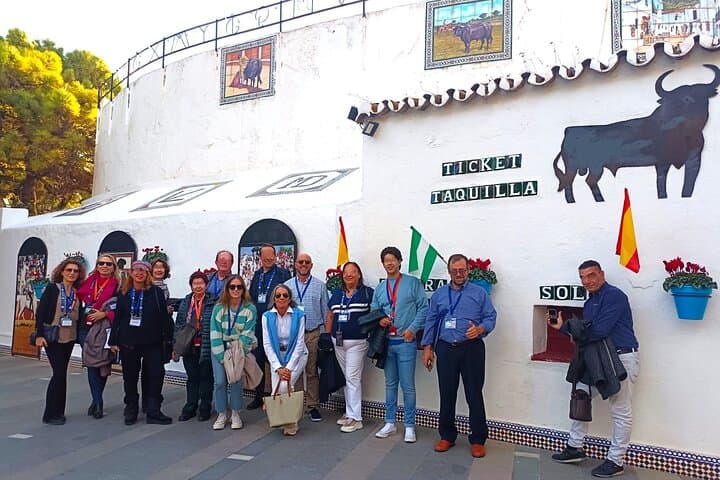
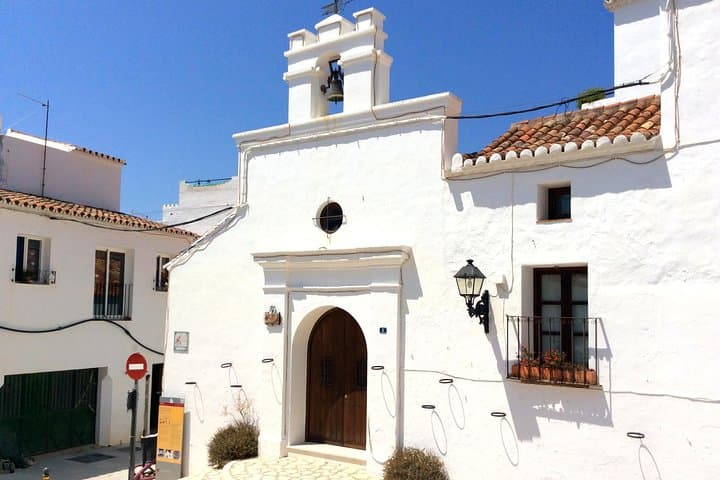
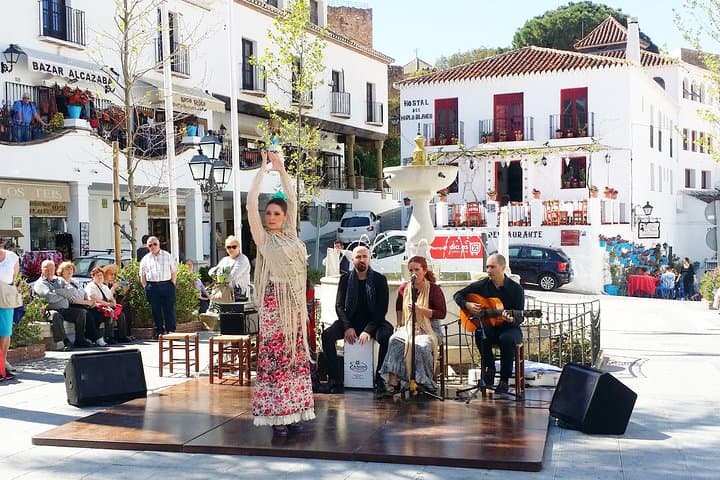
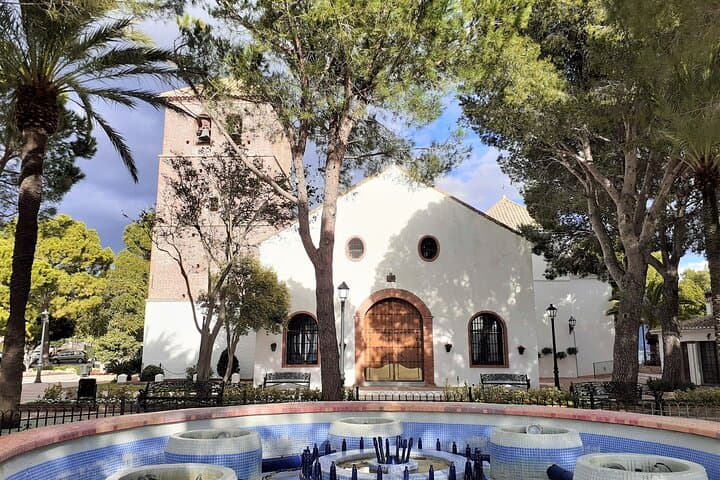
A bell chimes from a small plaza as the group gathers by the bronze taxi-donkey statue — a playful emblem of Mijas’ past — and the guide unfurls a map. The first steps thread through narrow, cobbled alleys lined with whitewashed homes whose barred windows and overflowing flower pots open onto sudden views of the Mediterranean daring you to look. Over the next 90 minutes the village reveals itself in short scenes: a sunlit chapel, a compact bullring, and a botanical promenade where the sea presses the horizon.
A bell chimes from a small plaza as the group gathers by the bronze taxi-donkey statue — a playful emblem of Mijas’ past — and the guide unfurls a map. The first steps thread through narrow, cobbled alleys lined with whitewashed homes whose barred windows and overflowing flower pots open onto sudden views of the Mediterranean daring you to look. Over the next 90 minutes the village reveals itself in short scenes: a sunlit chapel, a compact bullring, and a botanical promenade where the sea presses the horizon.
Mijas Pueblo grew where the hills meet the coast, its layout echoing Moorish urban planning: tight lanes, defensive walls and terraces. Stonework and religious art mark later Christian influences, while craft shops and the small Contemporary Art collection trace recent local life. Geology is literal underfoot — calcareous rock and steep streets shaped by millennia of erosion and human terraces that made agriculture and settlement possible.
Expect a social, accessible stroll rather than a trek: frequent stops at the Virgin of the Rock chapel, Constitution Square, and an optional outdoor flamenco moment on clear days. Local lore and practical details are woven into the walk — donkey taxi lore, artisans’ studios, and the 17th‑century San Sebastián hermitage.
Practical guidance: wear comfortable, grippy shoes for cobbles and short climbs, bring water and sun protection, and allow 90 minutes. The meeting point is the tourist office bronze donkey statue; public transport and parking are nearby. The tour suits most fitness levels and is best visited in morning light or late afternoon when the heat eases.