THE ADVENTURE COLLECTIVE® · Independent discovery and booking for outdoor travel

Set off from Lahaina Harbor for a focused two‑hour whale watch through the Au’au Channel. Expect knowledgeable crew commentary, shaded seating and front‑row views of humpback breaches and calves in protected waters.
Set off from Lahaina Harbor for a focused two‑hour whale watch through the Au’au Channel. Expect knowledgeable crew commentary, shaded seating and front‑row views of humpback breaches and calves in protected waters.
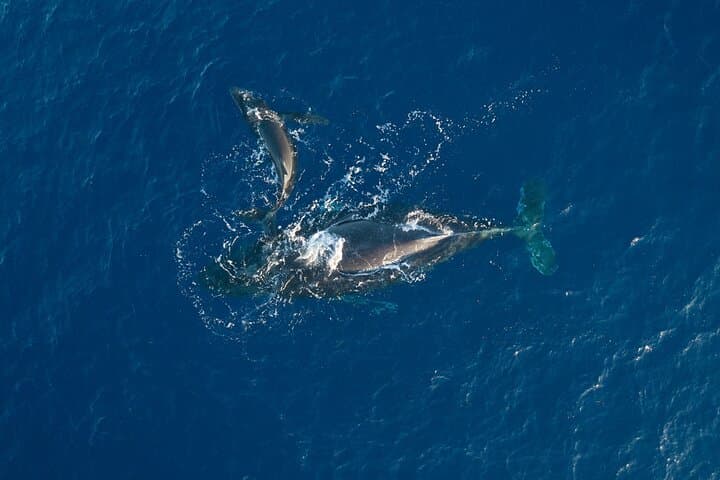
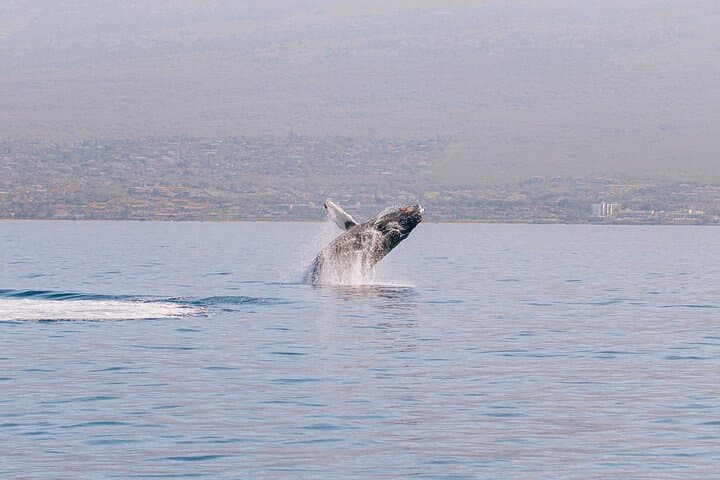
Morning light slices across Lahaina Harbor and the catamaran slips free of the dock, sails filling as the Au’au Channel opens ahead. The sea takes on a blunt, patient rhythm; every so often a dark back breaks the surface and a calf lifts its flukes like a punctuation mark. On this midmorning sail, the ocean feels active and intimate—trade winds pushing the boat, crew voices low as they point toward rolling blows and soaring breaches.
Verified experiences and guided adventures in the surrounding area.
Operated by Sail Maui · Lahaina, Hawaii
Morning light slices across Lahaina Harbor and the catamaran slips free of the dock, sails filling as the Au’au Channel opens ahead. The sea takes on a blunt, patient rhythm; every so often a dark back breaks the surface and a calf lifts its flukes like a punctuation mark. On this midmorning sail, the ocean feels active and intimate—trade winds pushing the boat, crew voices low as they point toward rolling blows and soaring breaches.
The Au’au Channel between Maui and Lāna‘i is one of the planet’s premier humpback sanctuaries. Geologically shallow and sheltered from big Pacific swell, these waters warm in winter and give mothers safer places to calve and nurse. Lahaina itself carries layered maritime history: once a busy 19th‑century whaling port, today it’s a launch point for encounter-based, conservation-minded tours.
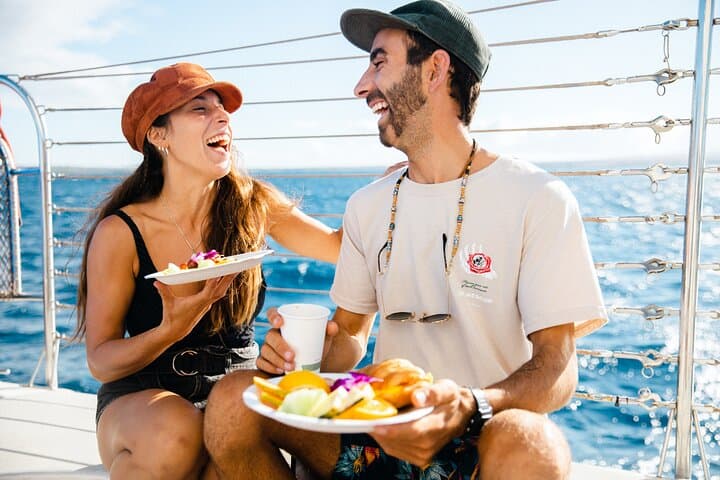
Practically, expect a two-hour outing with a crew-led commentary on whale behavior and marine ecology. Operators typically shut engines when whales approach so riders hear blows and surfacing sounds. Amenities often include shaded seating, bow trampolines for viewing, light refreshments, and complimentary reef‑safe sunscreen. Accessibility options and easy boarding are commonly offered, but check ahead for mobility needs.
Weather and whale activity vary—midwinter brings peak numbers and acrobatic displays. Bring binoculars, sun protection, and a light wind layer; secure cameras and be ready for movement on deck. Respect distance guidelines: trained crews follow NOAA recommendations to minimize disturbance. For travelers after a short, high-reward marine outing, this midmorning sail balances close-up wildlife viewing with a calm, educational passage across one of Hawaii’s most consequential channels.
easy.
2 hours.
Suitable for most fitness levels; participants should be able to step up onto a small boarding ladder and remain on their feet for short periods.
Peak season runs roughly December through April, with highest concentrations and calf sightings between January and March.
No—sightings are common in peak months but never guaranteed; operators may cancel in unsafe weather and often offer refunds if canceled within policy windows.
Responsible operators follow NOAA approach guidelines and will not intentionally disrupt whales; crews shut down engines when whales come near to minimize disturbance.
Many operators provide wheelchair-accessible boarding and seating, but check in advance about vessel specifics and any assistance required.
Lahaina transitioned from a 19th‑century whaling port to a tourism hub; the Au’au Channel has long been recognized for its seasonal whale congregation.
Tours operate under NOAA guidance and local regulations to reduce disturbance; using reef‑safe products and following crew instructions supports long‑term whale stewardship.
Sail Maui operates guided outdoor trips and adventures with an emphasis on safety, stewardship, and memorable experiences.

Morning light slices across Lahaina Harbor and the catamaran slips free of the dock, sails filling as the Au’au Channel opens ahead. The sea takes on a blunt, patient rhythm; every so often a dark back breaks the surface and a calf lifts its flukes like a punctuation mark. On this midmorning sail, the ocean feels active and intimate—trade winds pushing the boat, crew voices low as they point toward rolling blows and soaring breaches.
Morning light slices across Lahaina Harbor and the catamaran slips free of the dock, sails filling as the Au’au Channel opens ahead. The sea takes on a blunt, patient rhythm; every so often a dark back breaks the surface and a calf lifts its flukes like a punctuation mark. On this midmorning sail, the ocean feels active and intimate—trade winds pushing the boat, crew voices low as they point toward rolling blows and soaring breaches.
The Au’au Channel between Maui and Lāna‘i is one of the planet’s premier humpback sanctuaries. Geologically shallow and sheltered from big Pacific swell, these waters warm in winter and give mothers safer places to calve and nurse. Lahaina itself carries layered maritime history: once a busy 19th‑century whaling port, today it’s a launch point for encounter-based, conservation-minded tours.
Practically, expect a two-hour outing with a crew-led commentary on whale behavior and marine ecology. Operators typically shut engines when whales approach so riders hear blows and surfacing sounds. Amenities often include shaded seating, bow trampolines for viewing, light refreshments, and complimentary reef‑safe sunscreen. Accessibility options and easy boarding are commonly offered, but check ahead for mobility needs.
Weather and whale activity vary—midwinter brings peak numbers and acrobatic displays. Bring binoculars, sun protection, and a light wind layer; secure cameras and be ready for movement on deck. Respect distance guidelines: trained crews follow NOAA recommendations to minimize disturbance. For travelers after a short, high-reward marine outing, this midmorning sail balances close-up wildlife viewing with a calm, educational passage across one of Hawaii’s most consequential channels.