THE ADVENTURE COLLECTIVE® · Independent discovery and booking for outdoor travel

Short, punchy runs and technical hydraulics define the Middle Ocoee. This guide covers what to expect on a 3–3.5 hour Class III–IV commercial rafting trip near Benton, Tennessee — from river geology and 1996 Olympic history to packing, placement, and safety tips.
Short, punchy runs and technical hydraulics define the Middle Ocoee. This guide covers what to expect on a 3–3.5 hour Class III–IV commercial rafting trip near Benton, Tennessee — from river geology and 1996 Olympic history to packing, placement, and safety tips.
The river hits you before you see it — a narrow corridor of white breaking through rhododendron and oak, currents pushing the raft toward the next drop. On the Middle Ocoee, you trade suburban quiet for a compact, relentless pulse of class III–IV rapids where teamwork and timing matter as much as courage.
Verified experiences and guided adventures in the surrounding area.
Operated by Outdoor Adventure Rafting · Benton, TN
The river hits you before you see it — a narrow corridor of white breaking through rhododendron and oak, currents pushing the raft toward the next drop. On the Middle Ocoee, you trade suburban quiet for a compact, relentless pulse of class III–IV rapids where teamwork and timing matter as much as courage.
Geologically, the Ocoee cuts through Devonian sandstone and shale; the gorge walls are steep, and the river channel is tight, producing fast hydraulics without the undercuts common on other runs. Culturally the river is local ritual: generations of Tennessee paddlers, plus a burst of international attention after the 1996 Olympic whitewater events nearby, have shaped a strong guiding culture. The TVA’s reservoirs upstream and scheduled water releases give the Middle Ocoee a predictable window of high-play rapids that outfitters use to deliver intense, repeatable runs.
Expect 3–3.5 hours door-to-door with shuttle, instruction, and roughly five miles on the water. Guides teach strokes, rescue basics, and crew commands before launch; you don’t need prior experience but should be comfortable in moving water. Terrain around the outpost is rugged parking and short walks to the put-in; lunch is often included on full excursions.
Practical edge: hydrate before arrival, wear shoes that won’t slip off, and stash any loose gear in a dry bag. Peak season runs late spring through early fall with warmer water and busier guides; spring flows can be brisker and more technical. If you want a seat with a view, ask about stern or bow placement when you sign in — it changes how the river interacts with you.
challenging.
3–3.5 hours.
Moderate: comfortable with short bursts of exertion and able to brace in the boat; basic swimming ability advised.
Most outfitters set the minimum age around 12; confirm with the operator and check weight limits.
No — guides provide paddle instruction and safety briefings, but participants should be comfortable in moving water.
Trips typically include shuttle, all technical gear (helmet, PFD, paddle), instruction, and often a boxed lunch on full excursions.
Guides are trained in swiftwater rescue and the river’s hydraulics are well known; however, swims can be energetic — follow guide commands and wear your PFD.
The Middle Ocoee corridor is shaped by TVA dam operations and gained international attention during the 1996 Olympic whitewater events, cementing its role in American paddling culture.
The river’s flow is managed and concentrated use creates erosion risks; follow Leave No Trace, pack out trash, and support outfitters that practice river stewardship.
Outdoor Adventure Rafting operates guided outdoor trips and adventures with an emphasis on safety, stewardship, and memorable experiences.
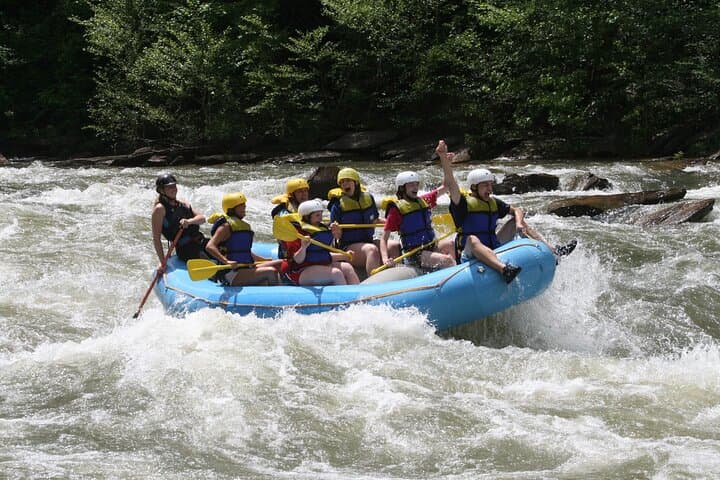
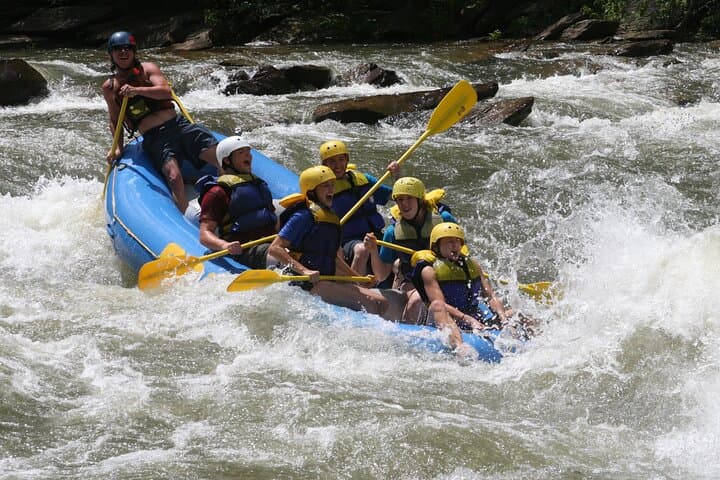
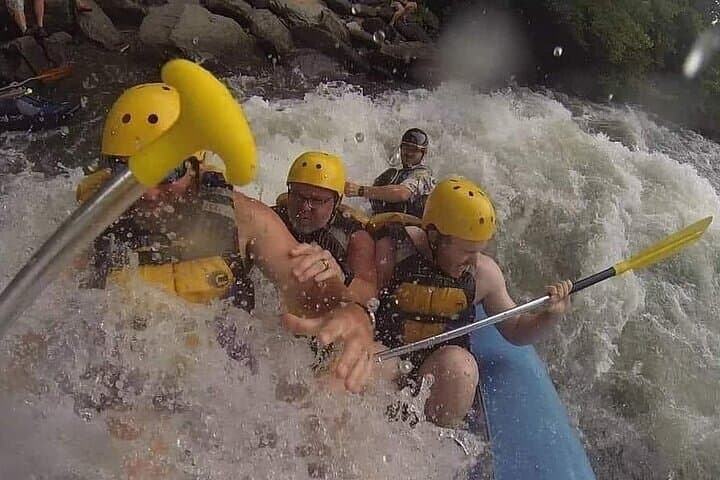
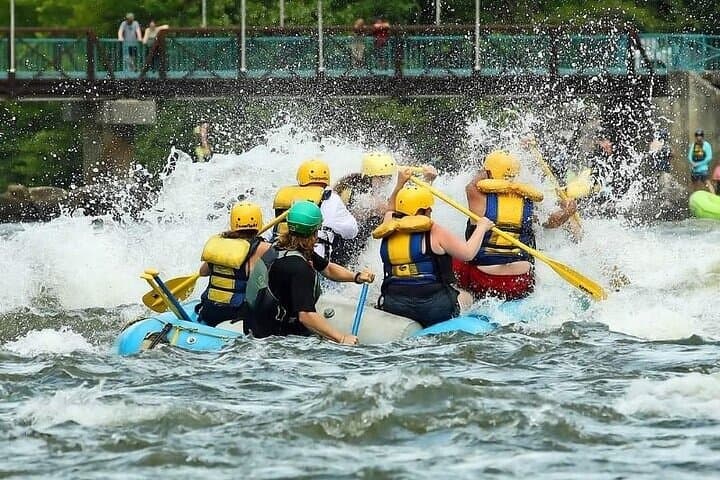
The river hits you before you see it — a narrow corridor of white breaking through rhododendron and oak, currents pushing the raft toward the next drop. On the Middle Ocoee, you trade suburban quiet for a compact, relentless pulse of class III–IV rapids where teamwork and timing matter as much as courage.
The river hits you before you see it — a narrow corridor of white breaking through rhododendron and oak, currents pushing the raft toward the next drop. On the Middle Ocoee, you trade suburban quiet for a compact, relentless pulse of class III–IV rapids where teamwork and timing matter as much as courage.
Geologically, the Ocoee cuts through Devonian sandstone and shale; the gorge walls are steep, and the river channel is tight, producing fast hydraulics without the undercuts common on other runs. Culturally the river is local ritual: generations of Tennessee paddlers, plus a burst of international attention after the 1996 Olympic whitewater events nearby, have shaped a strong guiding culture. The TVA’s reservoirs upstream and scheduled water releases give the Middle Ocoee a predictable window of high-play rapids that outfitters use to deliver intense, repeatable runs.
Expect 3–3.5 hours door-to-door with shuttle, instruction, and roughly five miles on the water. Guides teach strokes, rescue basics, and crew commands before launch; you don’t need prior experience but should be comfortable in moving water. Terrain around the outpost is rugged parking and short walks to the put-in; lunch is often included on full excursions.
Practical edge: hydrate before arrival, wear shoes that won’t slip off, and stash any loose gear in a dry bag. Peak season runs late spring through early fall with warmer water and busier guides; spring flows can be brisker and more technical. If you want a seat with a view, ask about stern or bow placement when you sign in — it changes how the river interacts with you.