THE ADVENTURE COLLECTIVE® · Independent discovery and booking for outdoor travel

Float the Middle Fork of the Flathead for an easy half-day drift from West Glacier. Gentle current, big skies and reliable wildlife viewing make this a low-effort way to experience Glacier’s edge.
Float the Middle Fork of the Flathead for an easy half-day drift from West Glacier. Gentle current, big skies and reliable wildlife viewing make this a low-effort way to experience Glacier’s edge.
You push off from a low gravel ramp, the river taking the weight of your day as the current threads between spruce and lodgepole. The Middle Fork of the Flathead moves with quiet intent here—slow enough for conversation, fast enough to carry you past eroded cliffs and braided side channels that gleam with glacial silt.
Verified experiences and guided adventures in the surrounding area.
Operated by Glacier Raft Company · West Glacier, Montana
You push off from a low gravel ramp, the river taking the weight of your day as the current threads between spruce and lodgepole. The Middle Fork of the Flathead moves with quiet intent here—slow enough for conversation, fast enough to carry you past eroded cliffs and braided side channels that gleam with glacial silt.
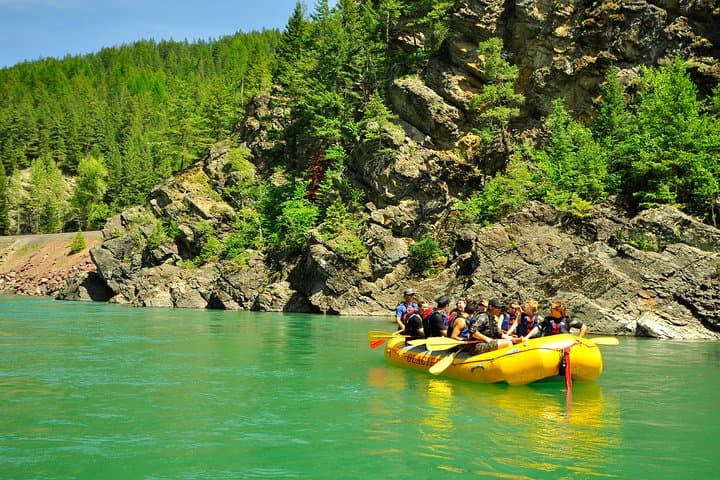
Geology is visible at every bend: steeply carved valley walls of layered sedimentary rock and cobbles scoured by ancient ice. The river also marks a boundary—its channel defines the western edge of Glacier National Park—and the corridor has long been used by Salish and Kootenai peoples for travel and sustenance. Later, explorers and outfitters turned these waters into routes for recreation; today’s floats continue that practical tradition of moving along the landscape with respect.
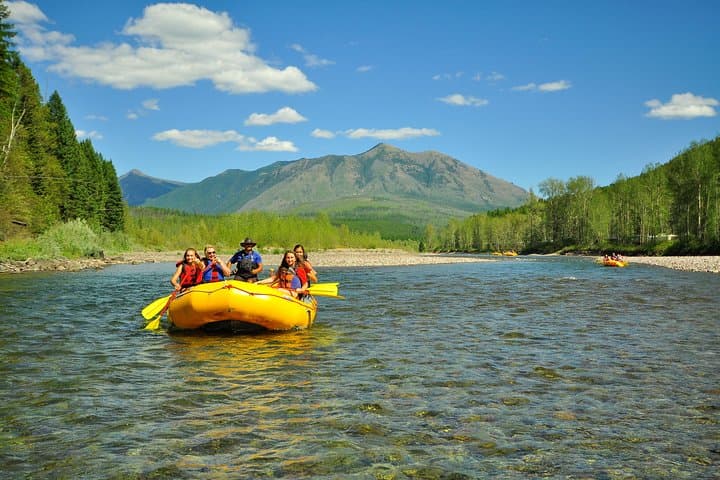
Expect a restful, family-friendly trip: mostly drifting with light paddling, opportunities to spot waterfowl, osprey, and elk along the banks, and a guide who points out local lore and natural features. The pace is slow enough to hear the river’s voice and fast enough to cover several miles in a half day.
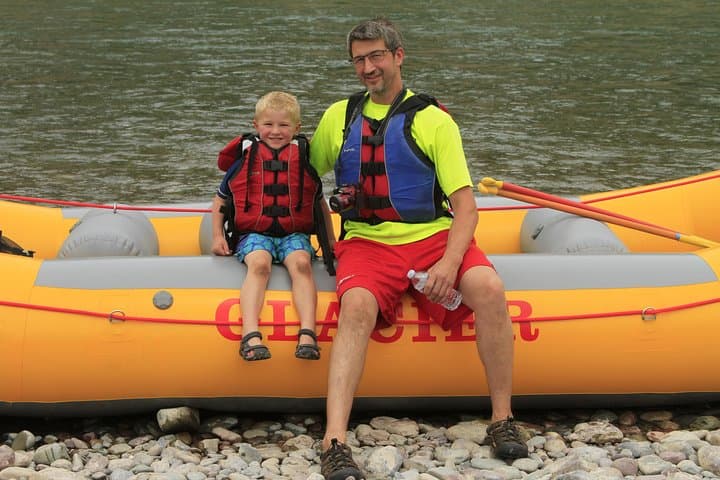
Practical guidance: arrive 30 minutes early at 106 Going-to-the-Sun Rd, wear secure water shoes (no flip-flops), bring layered sun protection and a filled water bottle. Life jackets are provided; follow your guide’s briefings on wildlife distance and river etiquette. If you want photos, mount your camera on a strap — the best shots happen when you’re relaxed and floating.
easy.
2–3 hours.
Light fitness; suitable for families, minimal paddling required
Yes—this is a family-friendly float with life jackets provided; parents should supervise children closely on shore stops.
You’ll mostly stay dry, but occasional spray and wet entry/exit are possible—wear quick-dry clothes and secure shoes.
Yes, life jackets are included and must be worn as directed by guides.
Trips may be canceled for high water or inclement weather; full refunds are available if canceled 24+ hours before departure per provider policy.
The Middle Fork has long been a travel corridor for Salish and Kootenai peoples and later served recreational outfitters; it also defines part of Glacier National Park’s boundary.
The Middle Fork watershed is protected through park and land-use regulations—practice Leave No Trace, avoid disturbing riparian vegetation, and follow seasonal wildlife advisories.
Glacier Raft Company operates guided outdoor trips and adventures with an emphasis on safety, stewardship, and memorable experiences.
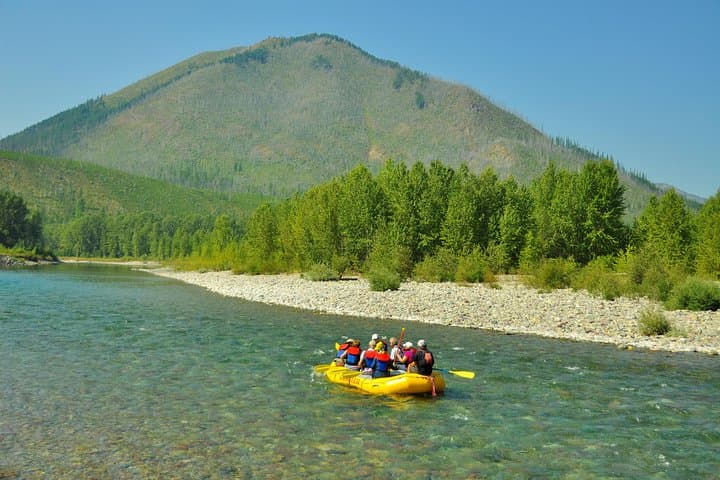
You push off from a low gravel ramp, the river taking the weight of your day as the current threads between spruce and lodgepole. The Middle Fork of the Flathead moves with quiet intent here—slow enough for conversation, fast enough to carry you past eroded cliffs and braided side channels that gleam with glacial silt.
You push off from a low gravel ramp, the river taking the weight of your day as the current threads between spruce and lodgepole. The Middle Fork of the Flathead moves with quiet intent here—slow enough for conversation, fast enough to carry you past eroded cliffs and braided side channels that gleam with glacial silt.
Geology is visible at every bend: steeply carved valley walls of layered sedimentary rock and cobbles scoured by ancient ice. The river also marks a boundary—its channel defines the western edge of Glacier National Park—and the corridor has long been used by Salish and Kootenai peoples for travel and sustenance. Later, explorers and outfitters turned these waters into routes for recreation; today’s floats continue that practical tradition of moving along the landscape with respect.
Expect a restful, family-friendly trip: mostly drifting with light paddling, opportunities to spot waterfowl, osprey, and elk along the banks, and a guide who points out local lore and natural features. The pace is slow enough to hear the river’s voice and fast enough to cover several miles in a half day.
Practical guidance: arrive 30 minutes early at 106 Going-to-the-Sun Rd, wear secure water shoes (no flip-flops), bring layered sun protection and a filled water bottle. Life jackets are provided; follow your guide’s briefings on wildlife distance and river etiquette. If you want photos, mount your camera on a strap — the best shots happen when you’re relaxed and floating.