THE ADVENTURE COLLECTIVE® · Independent discovery and booking for outdoor travel

Escape Fez for a day into the Middle Atlas to see European-style Ifrane, the Berber market town of Azrou and cedar forests where Barbary macaques live. This accessible full-day route blends short forest walks with cultural stops and rolling mountain scenery.
Escape Fez for a day into the Middle Atlas to see European-style Ifrane, the Berber market town of Azrou and cedar forests where Barbary macaques live. This accessible full-day route blends short forest walks with cultural stops and rolling mountain scenery.
A cool morning lifts off the tiled roofs of Fez as the van threads out toward higher ground. Pine-scented air grows sharper with elevation; cedar trunks appear like weathered pillars, and the road opens on low peaks that roll away toward the town of Ifrane. Travelers step from the vehicle into a place where European-style architecture and Berber markets meet under the same clear sky.
Verified experiences and guided adventures in the surrounding area.
Operated by Fez Excursions · Azrou, Fès-Meknès
A cool morning lifts off the tiled roofs of Fez as the van threads out toward higher ground. Pine-scented air grows sharper with elevation; cedar trunks appear like weathered pillars, and the road opens on low peaks that roll away toward the town of Ifrane. Travelers step from the vehicle into a place where European-style architecture and Berber markets meet under the same clear sky.
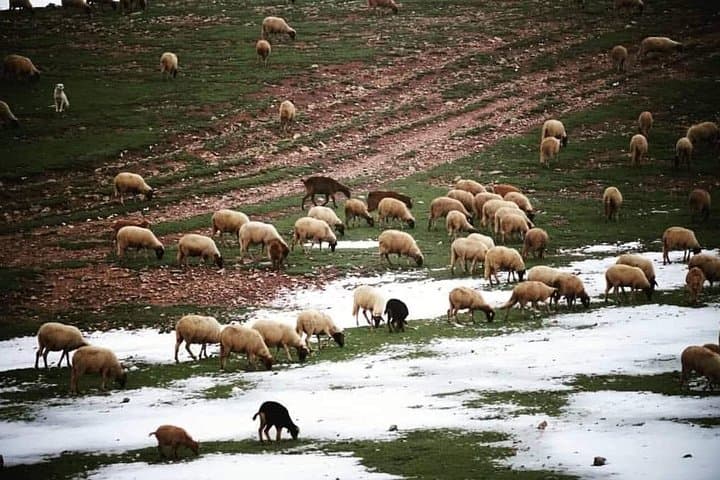
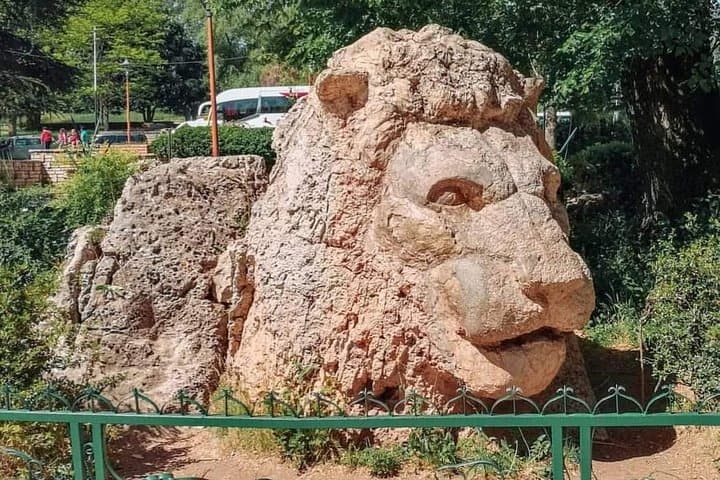
The Middle Atlas is geologically younger than the High Atlas, carved of limestone and volcanic plateaus that catch snow in winter and stay green through spring. Ifrane’s steep-roof houses and stork nests reflect 20th-century colonial planning; a short drive brings you to Azrou, a market town whose name means “rock” in Amazigh and which acts as a gateway to cedar groves home to Barbary macaques. Local life still follows seasonal rhythms: orchards and tilled fields yield fruit in summer while shepherds move flocks across lower ridges.
On this full-day outing expect long stretches by road punctuated by short walks on uneven forest trails, light elevation changes (hundreds of metres over the course of the day), and vehicle transfers totaling several hours. Practical planning pays: layers for swift temperature shifts, sturdy shoes for damp needles and rocky footing, and water for a long day. Keep interactions with macaques hands-free — they are wild and food attracts them.
This trip suits visitors who want a compact, accessible taste of Morocco’s rural highlands without technical hiking, combining cultural stops and wildlife viewing into a single, well-paced day.
moderate.
9 hours.
Comfortable with several short walks and getting in/out of vehicles during a long day; basic stamina for standing and walking on uneven ground.
Expect roughly 1–1.5 hours to Ifrane and another 20–40 minutes to Azrou depending on traffic and stops, with total driving during the day adding up to several hours.
Yes — macaques are commonly seen in cedar groves near Azrou, but they are wild animals and should be observed from a respectful distance without feeding them.
The tour is rated accessible and suitable for families; short walks may include uneven ground, but transportation and some sites accommodate limited mobility.
Guides and drivers on organized tours from Fez typically speak French, Arabic, and often basic English; private tours may offer multilingual options on request.
Ifrane grew under French colonial planning in the 20th century as a mountain resort; Azrou retains Amazigh (Berber) cultural roots and traditional crafts.
Cedar forests face pressure from grazing, fire, and woodcutting; visitors should stick to marked paths and avoid feeding wildlife to limit human-wildlife conflicts.
Fez Excursions operates guided outdoor trips and adventures with an emphasis on safety, stewardship, and memorable experiences.


A cool morning lifts off the tiled roofs of Fez as the van threads out toward higher ground. Pine-scented air grows sharper with elevation; cedar trunks appear like weathered pillars, and the road opens on low peaks that roll away toward the town of Ifrane. Travelers step from the vehicle into a place where European-style architecture and Berber markets meet under the same clear sky.
A cool morning lifts off the tiled roofs of Fez as the van threads out toward higher ground. Pine-scented air grows sharper with elevation; cedar trunks appear like weathered pillars, and the road opens on low peaks that roll away toward the town of Ifrane. Travelers step from the vehicle into a place where European-style architecture and Berber markets meet under the same clear sky.
The Middle Atlas is geologically younger than the High Atlas, carved of limestone and volcanic plateaus that catch snow in winter and stay green through spring. Ifrane’s steep-roof houses and stork nests reflect 20th-century colonial planning; a short drive brings you to Azrou, a market town whose name means “rock” in Amazigh and which acts as a gateway to cedar groves home to Barbary macaques. Local life still follows seasonal rhythms: orchards and tilled fields yield fruit in summer while shepherds move flocks across lower ridges.
On this full-day outing expect long stretches by road punctuated by short walks on uneven forest trails, light elevation changes (hundreds of metres over the course of the day), and vehicle transfers totaling several hours. Practical planning pays: layers for swift temperature shifts, sturdy shoes for damp needles and rocky footing, and water for a long day. Keep interactions with macaques hands-free — they are wild and food attracts them.
This trip suits visitors who want a compact, accessible taste of Morocco’s rural highlands without technical hiking, combining cultural stops and wildlife viewing into a single, well-paced day.