THE ADVENTURE COLLECTIVE® · Independent discovery and booking for outdoor travel

Leave Fez for a full-day circuit through the Middle Atlas: Immouzar’s headwaters, Ifrane’s alpine calm, and Azrou’s cedar forest where Barbary macaques roam. This private tour blends geology, Berber culture and easy forest walks over 8–10 hours.
Leave Fez for a full-day circuit through the Middle Atlas: Immouzar’s headwaters, Ifrane’s alpine calm, and Azrou’s cedar forest where Barbary macaques roam. This private tour blends geology, Berber culture and easy forest walks over 8–10 hours.
Morning light leaves the alleys of Fez behind as your driver steers north into the Middle Atlas, the air cooling and the scent of cedar cutting through city dust.
Verified experiences and guided adventures in the surrounding area.
Operated by Hiba tours · Fez, Fès-Meknès
Morning light leaves the alleys of Fez behind as your driver steers north into the Middle Atlas, the air cooling and the scent of cedar cutting through city dust.
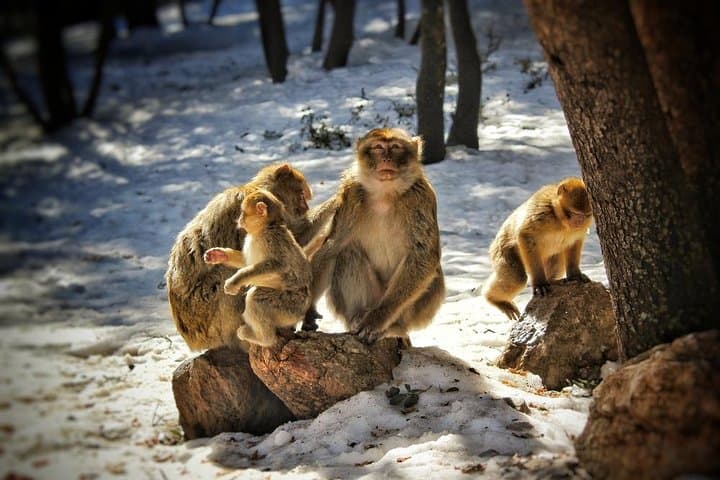
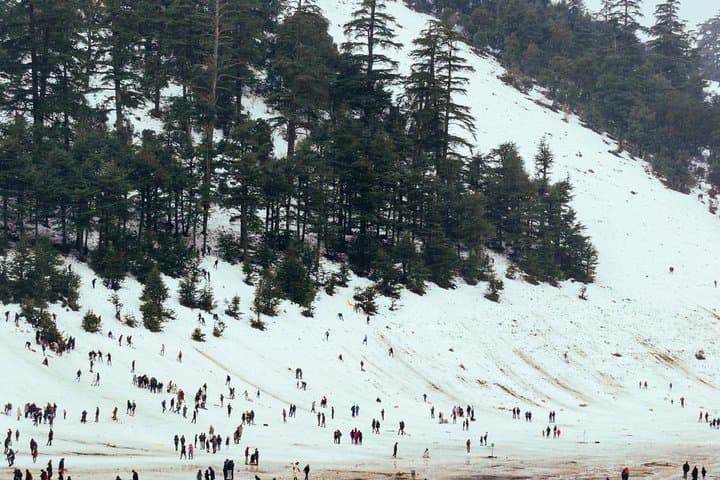
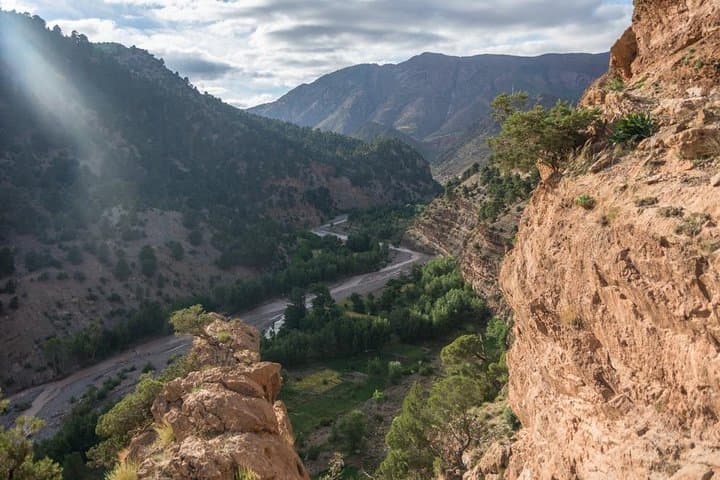
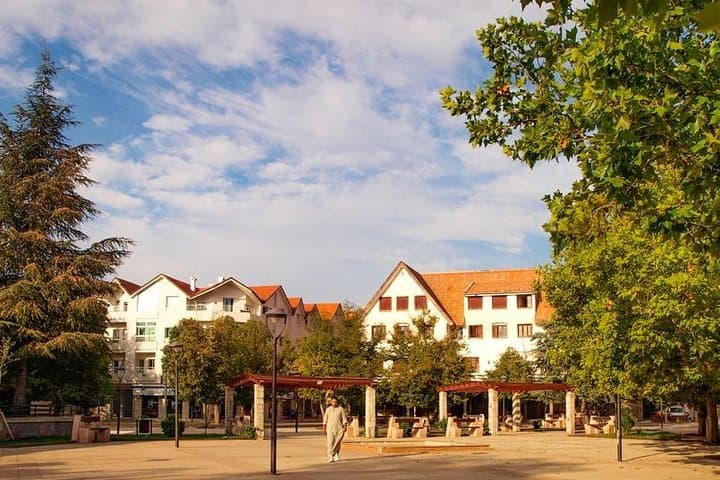
The route unfolds as a study in contrasts: limestone ridges give way to green hollows, rivers daring you to pause at their rocky edges. First stop, Immouzar, sits where headwaters emerge—small waterfalls and springs that have fed local life for centuries. Ifrane follows, its tidy plazas and the stone lion offering an oddly alpine calm at about 1,665 m elevation; locals still call it “little Switzerland” for its clean streets and winter snowfields. The final stretch brings you to Azrou and Africa’s largest cedar forest, where Barbary macaques move among millennia-old trunks and shafts of light pool on the forest floor.
Geology here is visible: folded Paleozoic and Mesozoic layers pushed up to form the plateau, creating springs and the fertile pockets that sustained Berber settlements. Culture is practical and open—Berber families still herd and gather forest honey, and small town markets sell simple crafts and food.
Practical guidance: expect an 8–10 hour private tour with light, uneven walking in forest and village settings; bottled water and air-conditioned transport are typically provided. Dress in layers for temperature swings (snow in winter, cool mornings), wear sturdy shoes for cedar-needle trails, carry cash for market purchases, and do not feed wildlife. Confirm accessibility needs before booking and plan to return to Fez by evening prepared for a full day of scenic stops and cultural encounters.
easy.
8–10 hours.
Suitable for general fitness—mostly short walks and light standing; not highly demanding but expect a full day of travel and brief hikes.
Most departures begin at 9:00 a.m. after breakfast in Fez and run about 8–10 hours, returning to town by evening.
Yes—Azrou’s cedar forest is a known habitat for Barbary macaques, though sightings aren’t guaranteed and animals should not be fed or approached.
The tour is family-friendly and described as suitable for all fitness levels, with vehicle access; however some forest paths are uneven—confirm specific accessibility needs with the operator before booking.
Bring small denominations of Moroccan dirham for market purchases, tips, and small snacks; credit cards may not be accepted in small towns.
The Middle Atlas has long been inhabited by Berber (Amazigh) communities; these towns grew around springs and routes linking mountain pasturelands and markets.
Cedar forests are regenerating but threatened by overgrazing and wood harvest; avoid feeding wildlife, pack out trash, and support local cooperatives to benefit conservation.
Hiba tours operates guided outdoor trips and adventures with an emphasis on safety, stewardship, and memorable experiences.
Morning light leaves the alleys of Fez behind as your driver steers north into the Middle Atlas, the air cooling and the scent of cedar cutting through city dust.
Morning light leaves the alleys of Fez behind as your driver steers north into the Middle Atlas, the air cooling and the scent of cedar cutting through city dust.
The route unfolds as a study in contrasts: limestone ridges give way to green hollows, rivers daring you to pause at their rocky edges. First stop, Immouzar, sits where headwaters emerge—small waterfalls and springs that have fed local life for centuries. Ifrane follows, its tidy plazas and the stone lion offering an oddly alpine calm at about 1,665 m elevation; locals still call it “little Switzerland” for its clean streets and winter snowfields. The final stretch brings you to Azrou and Africa’s largest cedar forest, where Barbary macaques move among millennia-old trunks and shafts of light pool on the forest floor.
Geology here is visible: folded Paleozoic and Mesozoic layers pushed up to form the plateau, creating springs and the fertile pockets that sustained Berber settlements. Culture is practical and open—Berber families still herd and gather forest honey, and small town markets sell simple crafts and food.
Practical guidance: expect an 8–10 hour private tour with light, uneven walking in forest and village settings; bottled water and air-conditioned transport are typically provided. Dress in layers for temperature swings (snow in winter, cool mornings), wear sturdy shoes for cedar-needle trails, carry cash for market purchases, and do not feed wildlife. Confirm accessibility needs before booking and plan to return to Fez by evening prepared for a full day of scenic stops and cultural encounters.