THE ADVENTURE COLLECTIVE® · Independent discovery and booking for outdoor travel

Leave Fez for a six-hour shared circuit through the Middle Atlas, visiting Ifrane, Azrou and cedar forests. Expect easy forest walks, encounters with Berber village life and a chance to visit cave homes and local hosts.
Leave Fez for a six-hour shared circuit through the Middle Atlas, visiting Ifrane, Azrou and cedar forests. Expect easy forest walks, encounters with Berber village life and a chance to visit cave homes and local hosts.
The van slips out of Fez at mid-morning and the city’s alleys shrink behind you, replaced by a rising road that threads through oak and juniper. By the time the Middle Atlas appears the air has a clean, pine-sweet edge; cedar trunks stand like old guards and a mosaic of terraced fields and stone Berber houses unfolds below.
Verified experiences and guided adventures in the surrounding area.
Operated by Great Morocco Tours · Ifrane, Fès-Meknès
The van slips out of Fez at mid-morning and the city’s alleys shrink behind you, replaced by a rising road that threads through oak and juniper. By the time the Middle Atlas appears the air has a clean, pine-sweet edge; cedar trunks stand like old guards and a mosaic of terraced fields and stone Berber houses unfolds below.
This shared day trip moves at a steady, exploratory pace—roughly six hours on the road—linking small Berber villages, cedar forest walks, and the town of Ifrane, often likened to Switzerland for its tidy European architecture. Geologically the Middle Atlas is a massif of folded limestone and volcanic outcrops with elevations typically between 1,500–2,100 m; expect short forest hikes and modest climbs to viewpoints and caves. Culturally, travelers meet Amazigh (Berber) communities whose livelihoods still tie to cedar groves and pastoralism; some hosts may invite you into clay cave dwellings for a simple, home-cooked meal and stories.
Practicalities are straightforward: a professional driver does pick-up and drop-off from Fez, and the route includes easy walking on soft forest trails and village lanes—no technical gear required. Weather shifts quickly with elevation—mornings can be chilly while afternoons warm—so dress in layers, carry 1–2 liters of water, and bring sturdy shoes for muddy sections. Timing a visit outside of national holidays reduces crowds in small towns. For photographers and hikers alike, the Middle Atlas rewards attention: wind that pushes through the cedars, a curious macaque watching from a branch, and wide, open views that make the drive itself feel like part of the destination.
easy.
6 hours.
Suitable for most fitness levels; requires comfortable walking on uneven terrain and short climbs.
Travel time is roughly 1–1.5 hours each way depending on traffic and stops; the full excursion is about 6 hours including walks.
A professional driver/guide accompanies the group to villages and points of interest and can facilitate introductions to local hosts, but extended cultural interpretation may be limited.
The tour is rated easy and suitable for most ages, but some village lanes and cave areas are uneven and may be challenging for those with mobility issues.
Some hosts in cave dwellings may offer a simple traditional dish; participants should bring snacks or notify the operator of dietary needs in advance.
The Middle Atlas has long been home to Amazigh (Berber) communities; towns like Ifrane were later developed during the French protectorate and show distinct European-influenced architecture.
Cedar forests are ecologically important but vulnerable to overgrazing and fire; visitors should stay on trails, avoid feeding wildlife, and use local guides who support community-based conservation.
Great Morocco Tours operates guided outdoor trips and adventures with an emphasis on safety, stewardship, and memorable experiences.
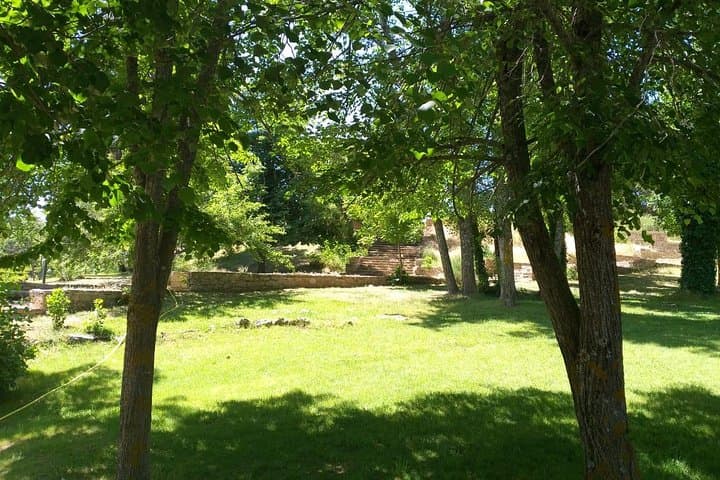
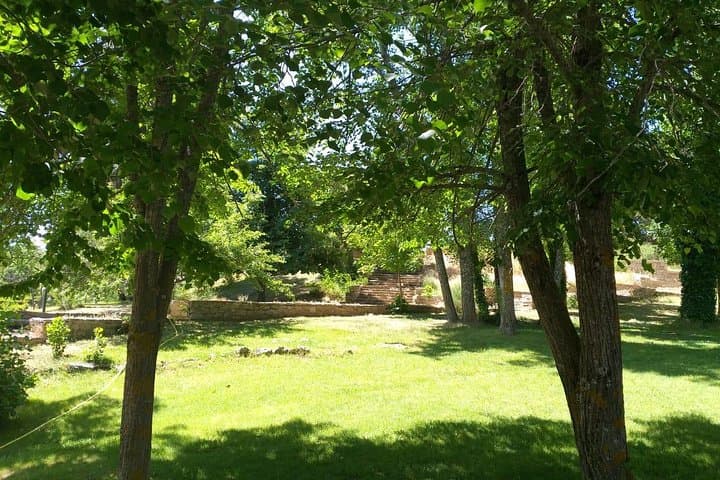
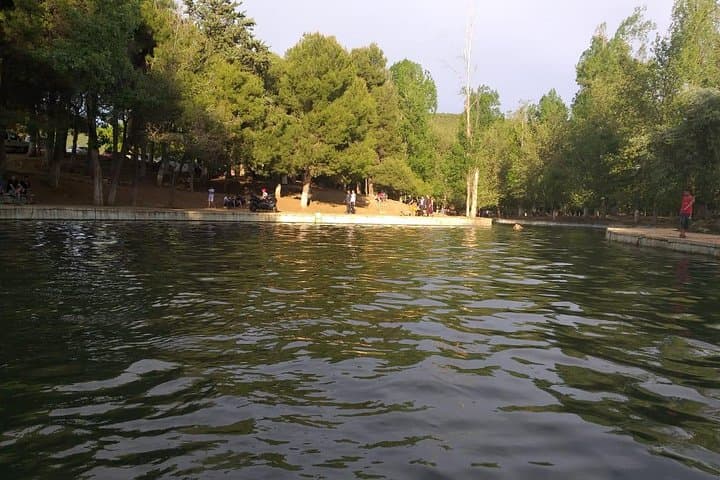
The van slips out of Fez at mid-morning and the city’s alleys shrink behind you, replaced by a rising road that threads through oak and juniper. By the time the Middle Atlas appears the air has a clean, pine-sweet edge; cedar trunks stand like old guards and a mosaic of terraced fields and stone Berber houses unfolds below.
The van slips out of Fez at mid-morning and the city’s alleys shrink behind you, replaced by a rising road that threads through oak and juniper. By the time the Middle Atlas appears the air has a clean, pine-sweet edge; cedar trunks stand like old guards and a mosaic of terraced fields and stone Berber houses unfolds below.
This shared day trip moves at a steady, exploratory pace—roughly six hours on the road—linking small Berber villages, cedar forest walks, and the town of Ifrane, often likened to Switzerland for its tidy European architecture. Geologically the Middle Atlas is a massif of folded limestone and volcanic outcrops with elevations typically between 1,500–2,100 m; expect short forest hikes and modest climbs to viewpoints and caves. Culturally, travelers meet Amazigh (Berber) communities whose livelihoods still tie to cedar groves and pastoralism; some hosts may invite you into clay cave dwellings for a simple, home-cooked meal and stories.
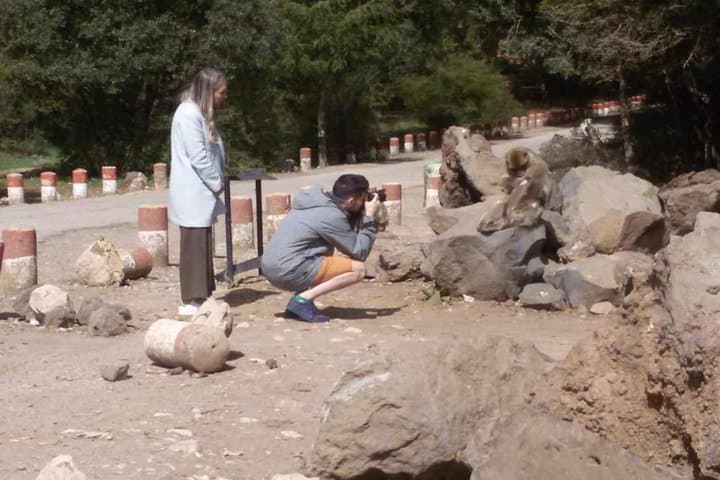
Practicalities are straightforward: a professional driver does pick-up and drop-off from Fez, and the route includes easy walking on soft forest trails and village lanes—no technical gear required. Weather shifts quickly with elevation—mornings can be chilly while afternoons warm—so dress in layers, carry 1–2 liters of water, and bring sturdy shoes for muddy sections. Timing a visit outside of national holidays reduces crowds in small towns. For photographers and hikers alike, the Middle Atlas rewards attention: wind that pushes through the cedars, a curious macaque watching from a branch, and wide, open views that make the drive itself feel like part of the destination.