THE ADVENTURE COLLECTIVE® · Independent discovery and booking for outdoor travel

Escape Fes for a day into the Middle Atlas: tidy alpine-style Ifrane, cedar groves where Barbary macaques linger, trout farms, and a Berber lunch in Azrou. Practical, photo-ready and culturally rich, this route condenses mountain Morocco into a single day.
Escape Fes for a day into the Middle Atlas: tidy alpine-style Ifrane, cedar groves where Barbary macaques linger, trout farms, and a Berber lunch in Azrou. Practical, photo-ready and culturally rich, this route condenses mountain Morocco into a single day.
You step out of the minivan into cool mountain air; the road has lifted you from Fes’s medina into a landscape of stone houses, cedar pines and low ridgelines. Ifrane’s tidy avenues and the familiar stone lion give the first notes—clean geometry against a slow-moving mountain sky—before the road bends toward the cedar forest where Barbary macaques watch passersby like local elders.
Verified experiences and guided adventures in the surrounding area.
Operated by Fes Excursion Day Tours · Ifrane, Fès-Meknès
You step out of the minivan into cool mountain air; the road has lifted you from Fes’s medina into a landscape of stone houses, cedar pines and low ridgelines. Ifrane’s tidy avenues and the familiar stone lion give the first notes—clean geometry against a slow-moving mountain sky—before the road bends toward the cedar forest where Barbary macaques watch passersby like local elders.
The Middle Atlas is an uplifted plateau of limestone and volcanic outcrops carved by seasonal rivers and dotted with small Berber towns. Ifrane’s European-style architecture dates from the French protectorate; Azrou and Immouzer remain rooted in Amazigh life, apple orchards and seasonal festivals. The cedar groves are both ecological refuge and cultural landscape—historic grazing routes cross the same trails you follow.
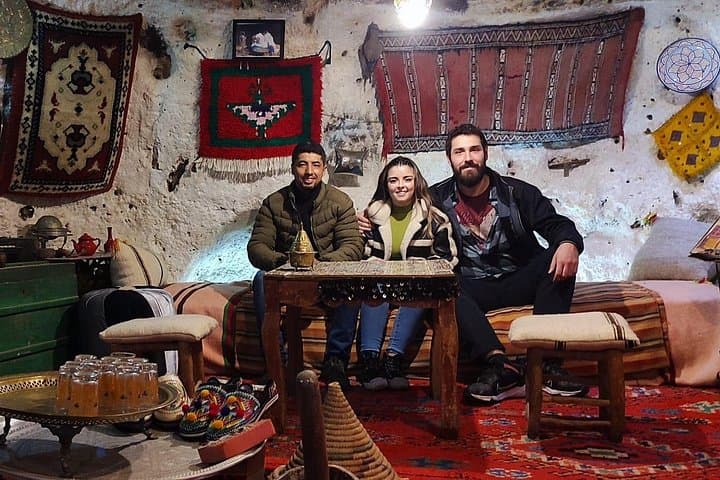
Expect short walks, village lanes, and wildlife viewing rather than strenuous hiking. Stops typically include Al Akhawayn University and the stone lion in Ifrane, cedar forest viewpoints and monkey encounters, a trout farm viewing, and a traditional lunch in Azrou with time to meet a Berber family. Optional detours to Michlifen offer winter skiing when conditions allow.
Practical guidance: dress in layers, carry water and small change for village purchases, and keep a respectful distance from monkeys—feeding is possible but discouraged to avoid dependency. Timing matters: mornings bring clearer skies and quieter villages, late afternoons are softer for photography. The full loop returns to Fes in the early evening, having traded city heat for pine shade and a direct look at rural Moroccan life.
moderate.
5–10 hours.
Reasonable mobility and stamina for short walks, staircases and standing during village visits; not suitable for those with serious cardiovascular issues.
The full-day excursion runs roughly 5–10 hours depending on routing and traffic, typically returning to Fes between 17:00 and 18:00.
A traditional lunch in Azrou is included on most itineraries; check your booking to confirm dietary accommodations.
Feeding is often shown on tours but is discouraged—feeding disrupts their diet and can increase aggressive interactions; observe at a distance when possible.
Some vehicles and stops may be adaptable, but village lanes and forest areas involve uneven ground; discuss specific accessibility needs with the operator before booking.
The Middle Atlas developed as a rural stronghold of Amazigh (Berber) culture; French colonial-era towns like Ifrane introduced alpine-style architecture and institutions.
The cedar groves are ecologically sensitive; avoid leaving waste and follow local guidance to minimize disturbance to monkeys and soil erosion.
Fes Excursion Day Tours operates guided outdoor trips and adventures with an emphasis on safety, stewardship, and memorable experiences.
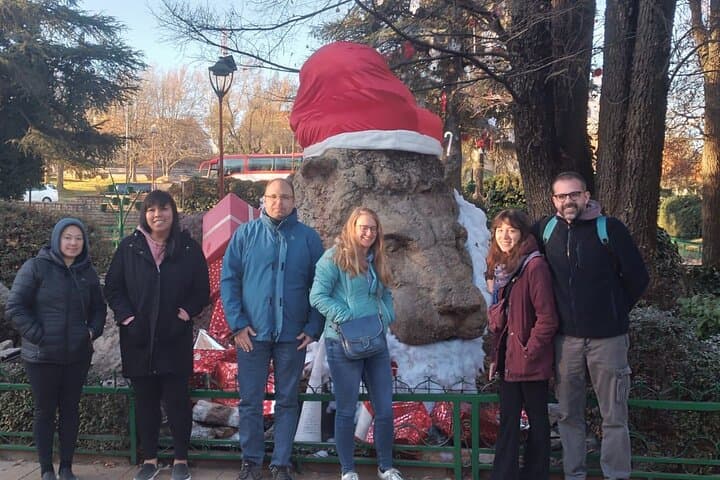
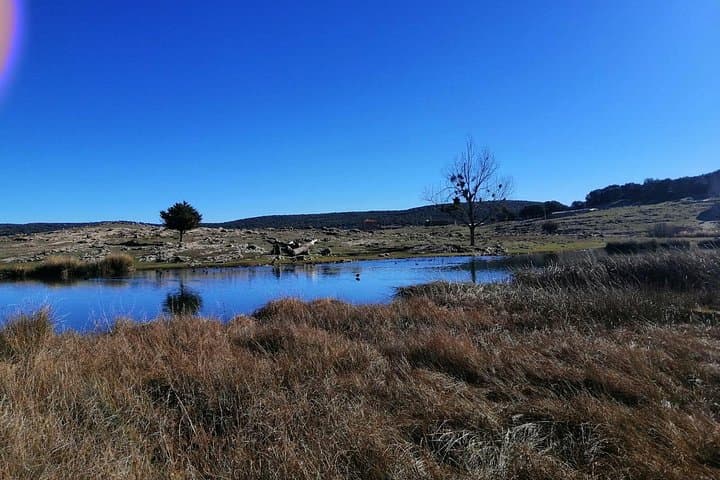
You step out of the minivan into cool mountain air; the road has lifted you from Fes’s medina into a landscape of stone houses, cedar pines and low ridgelines. Ifrane’s tidy avenues and the familiar stone lion give the first notes—clean geometry against a slow-moving mountain sky—before the road bends toward the cedar forest where Barbary macaques watch passersby like local elders.
You step out of the minivan into cool mountain air; the road has lifted you from Fes’s medina into a landscape of stone houses, cedar pines and low ridgelines. Ifrane’s tidy avenues and the familiar stone lion give the first notes—clean geometry against a slow-moving mountain sky—before the road bends toward the cedar forest where Barbary macaques watch passersby like local elders.
The Middle Atlas is an uplifted plateau of limestone and volcanic outcrops carved by seasonal rivers and dotted with small Berber towns. Ifrane’s European-style architecture dates from the French protectorate; Azrou and Immouzer remain rooted in Amazigh life, apple orchards and seasonal festivals. The cedar groves are both ecological refuge and cultural landscape—historic grazing routes cross the same trails you follow.
Expect short walks, village lanes, and wildlife viewing rather than strenuous hiking. Stops typically include Al Akhawayn University and the stone lion in Ifrane, cedar forest viewpoints and monkey encounters, a trout farm viewing, and a traditional lunch in Azrou with time to meet a Berber family. Optional detours to Michlifen offer winter skiing when conditions allow.
Practical guidance: dress in layers, carry water and small change for village purchases, and keep a respectful distance from monkeys—feeding is possible but discouraged to avoid dependency. Timing matters: mornings bring clearer skies and quieter villages, late afternoons are softer for photography. The full loop returns to Fes in the early evening, having traded city heat for pine shade and a direct look at rural Moroccan life.