THE ADVENTURE COLLECTIVE® · Independent discovery and booking for outdoor travel

Escape Fes for a full-day sweep of the Middle Atlas: alpine-style Ifrane, the ancient cedars of Azrou, trout pools, and Barbary macaques. Expect easy walks, a village lunch, and a clear view into Amazigh life and mountain ecology.
Escape Fes for a full-day sweep of the Middle Atlas: alpine-style Ifrane, the ancient cedars of Azrou, trout pools, and Barbary macaques. Expect easy walks, a village lunch, and a clear view into Amazigh life and mountain ecology.
You leave Fes before dawn and the city’s tight lanes peel away behind you; the road climbs, the air cools, and the Middle Atlas opens like a living map. Cedar trunks rise like columns, fog clings to the slopes, and troops of Barbary macaques watch the passing vehicle with the casual authority of locals. By midmorning you’re in Ifrane—an alpine-style town born of French-era planning—then on to Azrou’s cedar stands where cedars creak and streams dare you to follow them.
Verified experiences and guided adventures in the surrounding area.
Operated by Marrakech desert tour · Ifrane, Fès-Meknès
You leave Fes before dawn and the city’s tight lanes peel away behind you; the road climbs, the air cools, and the Middle Atlas opens like a living map. Cedar trunks rise like columns, fog clings to the slopes, and troops of Barbary macaques watch the passing vehicle with the casual authority of locals. By midmorning you’re in Ifrane—an alpine-style town born of French-era planning—then on to Azrou’s cedar stands where cedars creak and streams dare you to follow them.
Geologically the Middle Atlas is an uplifted plateau of volcanic and sedimentary rock; its elevation (Ifrane sits near 1,650 m) creates a cooler microclimate and pockets of cedar that support unique wildlife and traditional Amazigh (Berber) communities. Azrou’s market and the trout pools at Ras El Ma reveal how local livelihoods hinge on mountain water and orchards—Imouzzer celebrates the apple harvest each September.
Practically, expect about 8–9 hours round-trip from Fes, mostly paved driving with short walks on uneven forest trails. The experience is approachable: light walking, photo stops, a village lunch, and cultural moments like mint tea in a family home. Weather shifts quickly at elevation—layers and sturdy shoes matter. Respect wildlife: observe macaques from a distance, do not feed them, and keep food secured. Carry cash for markets and modest museum or farm fees, and confirm pickup details the day prior via WhatsApp. This is a scenic, culturally rich day that trades climbing for concentration—time to breathe higher, step softly, and watch the mountains at work.
easy.
8–9 hours.
Suitable for most fitness levels; requires short walks on uneven ground and standing during stops.
Driving time to Ifrane/Azrou is about 1–1.5 hours each way; the full itinerary runs roughly 8–9 hours with return to Fes around 17:00–18:00.
Yes—macaques are commonly seen in Azrou’s cedar groves, but guides recommend observing without touching or feeding to avoid stressing the animals.
The day trip is generally family-friendly with light walking; infants can be accommodated but it’s not recommended for people with severe spinal problems.
Lunch is provided at a local venue in Azrou; notify the operator in advance of dietary restrictions so they can arrange appropriate options.
Ifrane grew under French colonial planning in the early 20th century as a mountain resort; Amazigh communities in the Middle Atlas have farmed these slopes for centuries.
Cedar forests are vulnerable to logging, climate stress, and grazing—stick to trails, avoid feeding wildlife, and support local guides who promote sustainable visitation.
Marrakech desert tour operates guided outdoor trips and adventures with an emphasis on safety, stewardship, and memorable experiences.
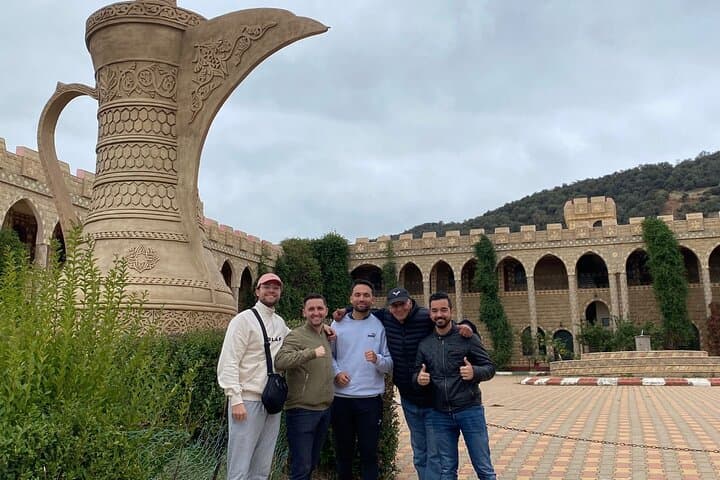
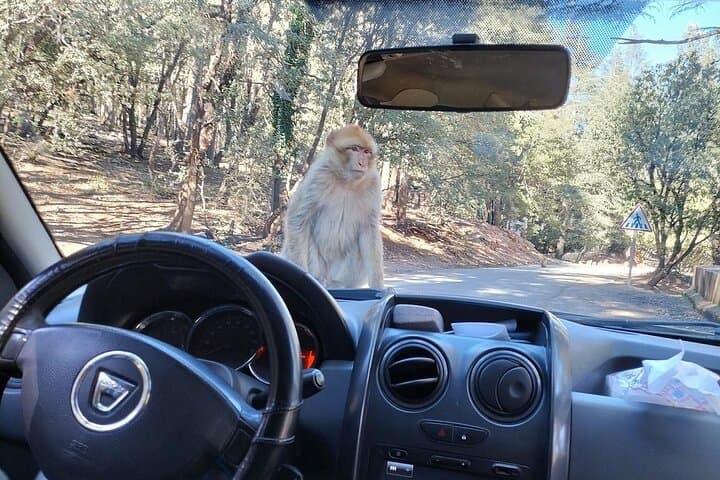
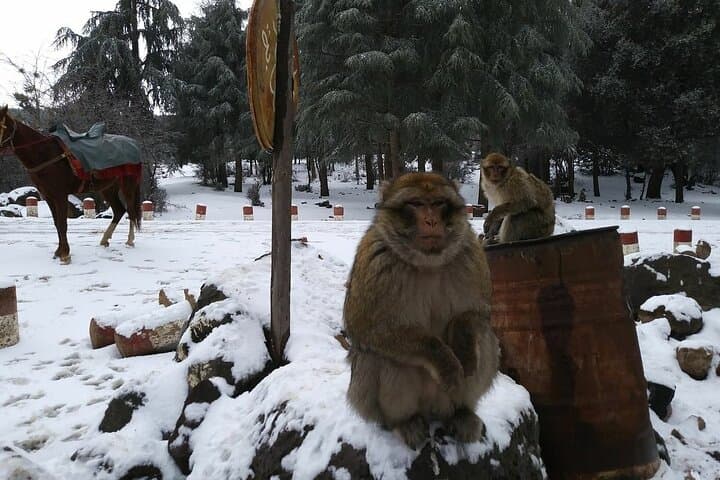
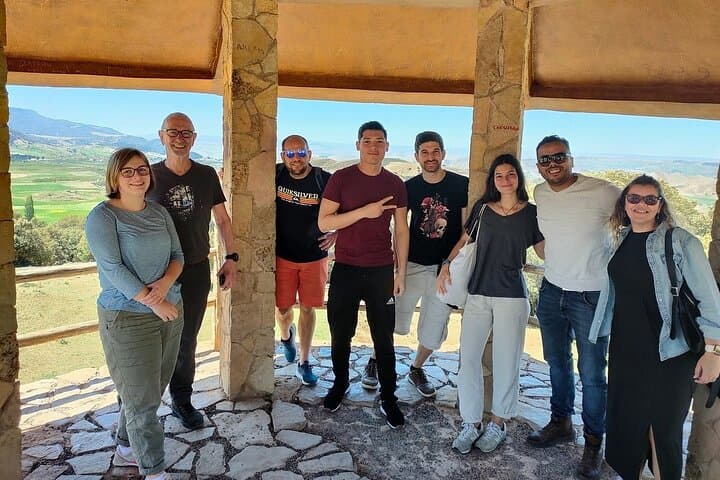
You leave Fes before dawn and the city’s tight lanes peel away behind you; the road climbs, the air cools, and the Middle Atlas opens like a living map. Cedar trunks rise like columns, fog clings to the slopes, and troops of Barbary macaques watch the passing vehicle with the casual authority of locals. By midmorning you’re in Ifrane—an alpine-style town born of French-era planning—then on to Azrou’s cedar stands where cedars creak and streams dare you to follow them.
You leave Fes before dawn and the city’s tight lanes peel away behind you; the road climbs, the air cools, and the Middle Atlas opens like a living map. Cedar trunks rise like columns, fog clings to the slopes, and troops of Barbary macaques watch the passing vehicle with the casual authority of locals. By midmorning you’re in Ifrane—an alpine-style town born of French-era planning—then on to Azrou’s cedar stands where cedars creak and streams dare you to follow them.
Geologically the Middle Atlas is an uplifted plateau of volcanic and sedimentary rock; its elevation (Ifrane sits near 1,650 m) creates a cooler microclimate and pockets of cedar that support unique wildlife and traditional Amazigh (Berber) communities. Azrou’s market and the trout pools at Ras El Ma reveal how local livelihoods hinge on mountain water and orchards—Imouzzer celebrates the apple harvest each September.
Practically, expect about 8–9 hours round-trip from Fes, mostly paved driving with short walks on uneven forest trails. The experience is approachable: light walking, photo stops, a village lunch, and cultural moments like mint tea in a family home. Weather shifts quickly at elevation—layers and sturdy shoes matter. Respect wildlife: observe macaques from a distance, do not feed them, and keep food secured. Carry cash for markets and modest museum or farm fees, and confirm pickup details the day prior via WhatsApp. This is a scenic, culturally rich day that trades climbing for concentration—time to breathe higher, step softly, and watch the mountains at work.