THE ADVENTURE COLLECTIVE® · Independent discovery and booking for outdoor travel

A one-day circuit through the Middle Atlas that links Ifrane’s alpine townscape, Imouzzer’s Berber fields and Azrou’s cedar forest and monkey valley. Expect short walks, village stops and dramatic cedar-lined viewpoints.
A one-day circuit through the Middle Atlas that links Ifrane’s alpine townscape, Imouzzer’s Berber fields and Azrou’s cedar forest and monkey valley. Expect short walks, village stops and dramatic cedar-lined viewpoints.
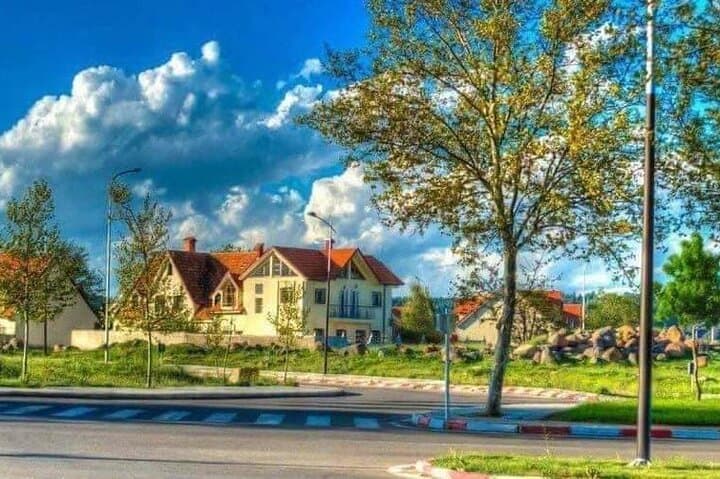
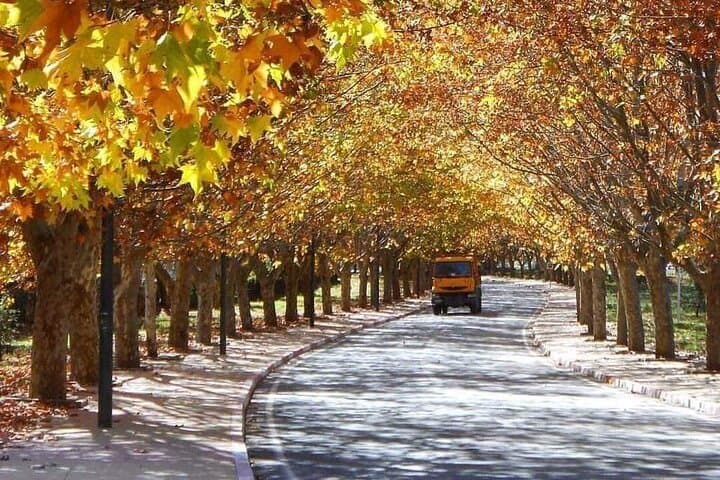
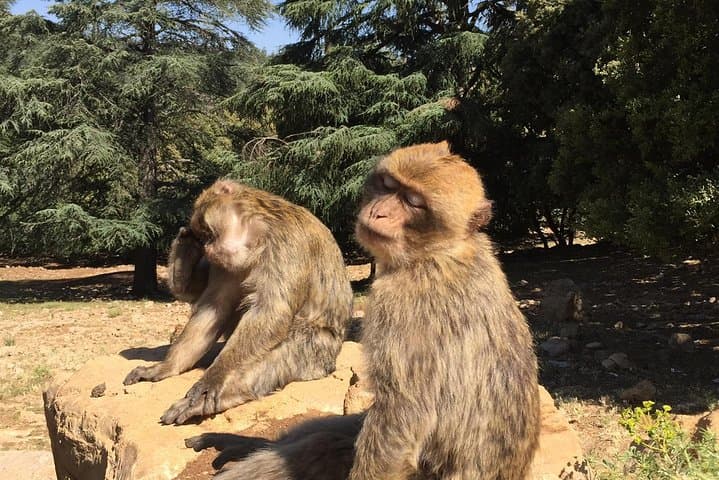
A wind from the Middle Atlas cuts across the road as the minivan leaves Fez behind and climbs toward Ifrane’s alpine-style center. Stone buildings and trimmed lawns briefly make you forget you’re in Morocco; ahead, slopes of cork oak and cedar rise, their trunks thick with resin and age. The valley of monkeys waits below clifftops, a scatter of Barbary macaques watching travelers with the impatience of old residents.
Verified experiences and guided adventures in the surrounding area.
Operated by Morocco tours S · Ifrane, Fès-Meknès
A wind from the Middle Atlas cuts across the road as the minivan leaves Fez behind and climbs toward Ifrane’s alpine-style center. Stone buildings and trimmed lawns briefly make you forget you’re in Morocco; ahead, slopes of cork oak and cedar rise, their trunks thick with resin and age. The valley of monkeys waits below clifftops, a scatter of Barbary macaques watching travelers with the impatience of old residents.
This corridor sits on ancient limestone and volcanic outcrops shaped by uplift and winter snows. Ifrane’s 20th-century French planning contrasts with Berber villages—Imouzzer’s terraced fields and Azrou’s cedar groves—where centuries of pastoral life persist. The cedars here (Cedrus atlantica) are ecological keystones: their shade dictates understory plants and the migratory birds that stop each season.
Expect a day of short walks, village routes and viewpoints rather than long hikes: soft dirt tracks, paved village streets, and a few rocky overlooks with modest elevation change. Cultural moments come fast—tea with locals, glimpses of traditional weaving, and roadside stalls selling olives and fresh goat cheese.
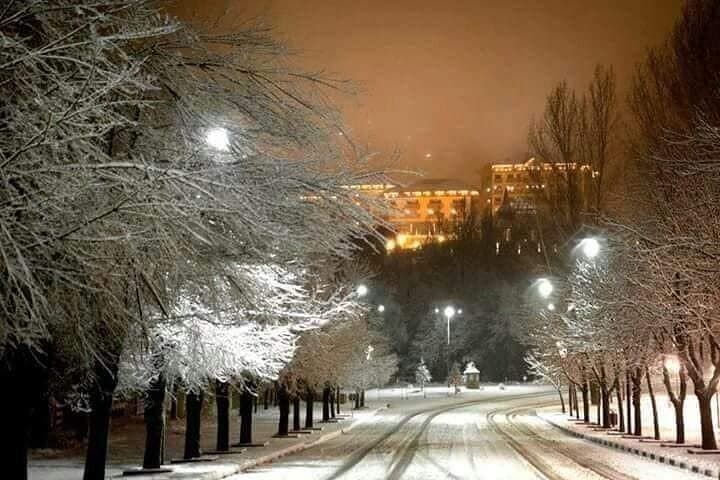
Plan for layered clothing, sun and wind protection, and a full water bottle; winter brings snow and muddy trails, summer can be dusty. Keep distance from macaques and avoid feeding wildlife to reduce stress on local populations. Transport is typically private and air-conditioned, with stops tailored to your pace.
This tour is ideal for travelers who want easy access to mountain forests, short nature walks and cultural snapshots in one day—no technical skills required, just curiosity and sensible footwear.
easy.
1–8 hours.
Suitable for travelers in regular, everyday fitness—able to walk short dirt tracks and climb modest steps.
Tour durations vary from about 1 hour (short transfers) up to 8 hours for full-day private tours; pace is relaxed with frequent stops for photos and short walks.
Yes—Azrou and nearby valleys are home to Barbary macaques; sightings are common but never guaranteed and contact should be avoided.
Yes—routes are generally gentle and the tour is marketed as suitable for all fitness levels, though those with spinal injuries should exercise caution.
No permits are required for these public sites; basic outdoor gear, sun protection and comfortable shoes are sufficient.
The Middle Atlas has long been inhabited by Amazigh (Berber) communities; Ifrane was remodeled under the French Protectorate as a mountain town, while Azrou and surrounding villages retain older pastoral traditions.
Cedar forests are fragile and affected by overgrazing, fire and climate shifts; visitors should stick to trails, avoid feeding wildlife and support local guides who practice low-impact touring.
Morocco tours S operates guided outdoor trips and adventures with an emphasis on safety, stewardship, and memorable experiences.
A wind from the Middle Atlas cuts across the road as the minivan leaves Fez behind and climbs toward Ifrane’s alpine-style center. Stone buildings and trimmed lawns briefly make you forget you’re in Morocco; ahead, slopes of cork oak and cedar rise, their trunks thick with resin and age. The valley of monkeys waits below clifftops, a scatter of Barbary macaques watching travelers with the impatience of old residents.
A wind from the Middle Atlas cuts across the road as the minivan leaves Fez behind and climbs toward Ifrane’s alpine-style center. Stone buildings and trimmed lawns briefly make you forget you’re in Morocco; ahead, slopes of cork oak and cedar rise, their trunks thick with resin and age. The valley of monkeys waits below clifftops, a scatter of Barbary macaques watching travelers with the impatience of old residents.
This corridor sits on ancient limestone and volcanic outcrops shaped by uplift and winter snows. Ifrane’s 20th-century French planning contrasts with Berber villages—Imouzzer’s terraced fields and Azrou’s cedar groves—where centuries of pastoral life persist. The cedars here (Cedrus atlantica) are ecological keystones: their shade dictates understory plants and the migratory birds that stop each season.
Expect a day of short walks, village routes and viewpoints rather than long hikes: soft dirt tracks, paved village streets, and a few rocky overlooks with modest elevation change. Cultural moments come fast—tea with locals, glimpses of traditional weaving, and roadside stalls selling olives and fresh goat cheese.
Plan for layered clothing, sun and wind protection, and a full water bottle; winter brings snow and muddy trails, summer can be dusty. Keep distance from macaques and avoid feeding wildlife to reduce stress on local populations. Transport is typically private and air-conditioned, with stops tailored to your pace.
This tour is ideal for travelers who want easy access to mountain forests, short nature walks and cultural snapshots in one day—no technical skills required, just curiosity and sensible footwear.