THE ADVENTURE COLLECTIVE® · Independent discovery and booking for outdoor travel

Swap Fez’s medina heat for highland pines and mountain air on a full-day loop through Ifrane, the cedar forests and Azrou village. Expect easy forest walks, close views of Barbary macaques, trout-filled springs and a taste of Berber village life.
Swap Fez’s medina heat for highland pines and mountain air on a full-day loop through Ifrane, the cedar forests and Azrou village. Expect easy forest walks, close views of Barbary macaques, trout-filled springs and a taste of Berber village life.
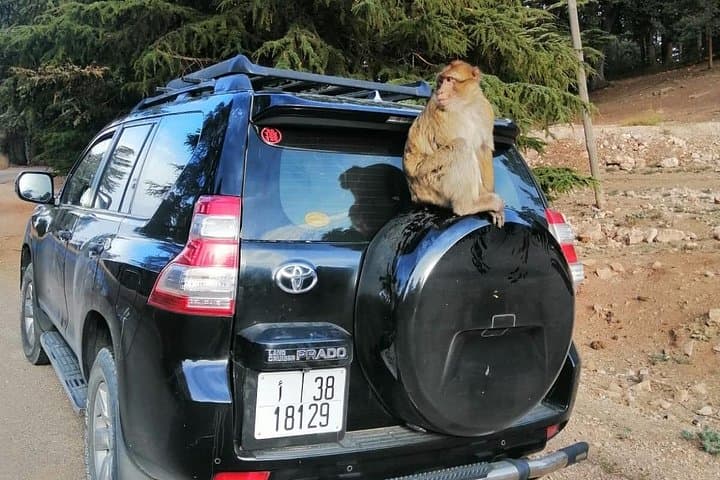
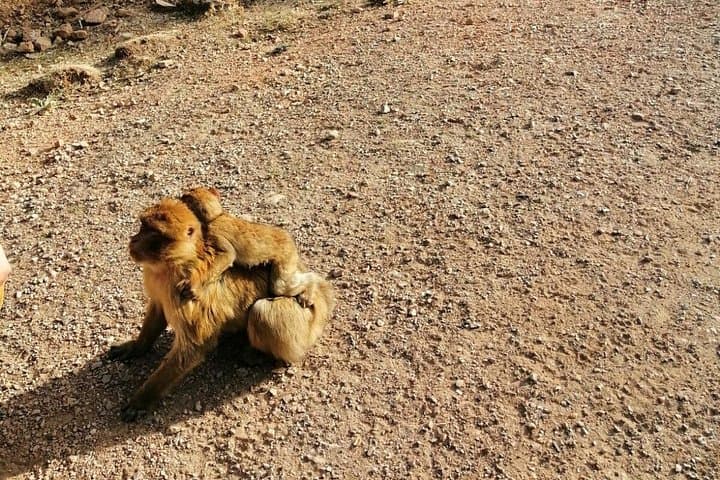
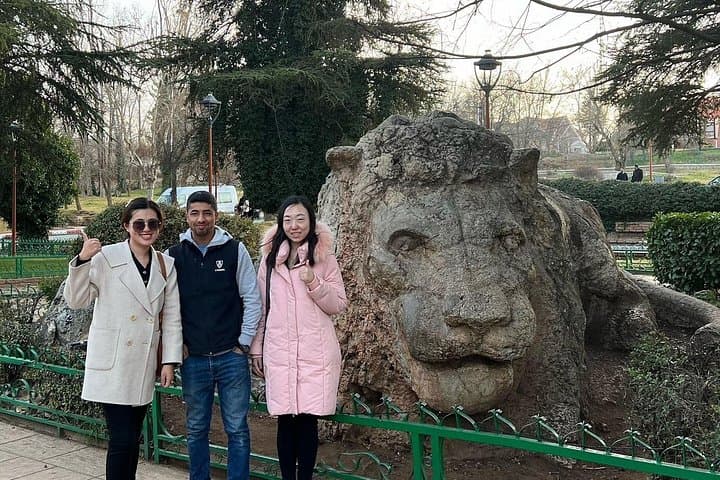
A cool wind arrives off the cedar slopes as you leave Fes behind, the city’s ochre rooftops shrinking while the road climbs into the Middle Atlas. Within an hour the architecture shifts: European-style facades, manicured streets and the stone lion of Ifrane stand against a backdrop of cedar-studded ridgelines. The forest opens up and Barbary macaques dart through branches, bold and curious, while trout flash in the clear mountain streams at Ras El Ma.
Verified experiences and guided adventures in the surrounding area.
Operated by Merzouga desert experience · Fez, Fès-Meknès
A cool wind arrives off the cedar slopes as you leave Fes behind, the city’s ochre rooftops shrinking while the road climbs into the Middle Atlas. Within an hour the architecture shifts: European-style facades, manicured streets and the stone lion of Ifrane stand against a backdrop of cedar-studded ridgelines. The forest opens up and Barbary macaques dart through branches, bold and curious, while trout flash in the clear mountain streams at Ras El Ma.
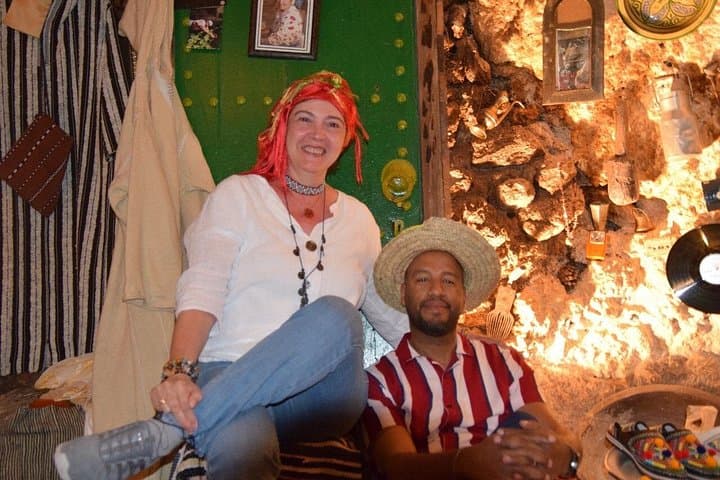
Geology here is quiet but deliberate — limestone and highland plateaus carved by winter snows, feeding springs that power small fish farms and the communities below. Ifrane’s tidy town and Al Akhawayn University reflect 20th-century planning; nearby Azrou preserves Berber traditions in market stalls, handwoven rugs and slow-paced village life.
Practicalities are straightforward: expect a full-day drive loop of 7–9 hours with multiple short stops for walking, photos, and a 60–90 minute cedar forest visit. Trails are mostly flat forest paths and village streets; elevation sits around 1,600–2,000 m so layers are necessary. Respect local customs — dress modestly in villages — and treat wildlife cautiously: feeding monkeys is common but keep a safe distance and secure belongings. Bring water, a warm layer for higher elevations, and a camera with a zoom lens to capture the macaques and sweeping plateaus.
Timing your visit in spring or autumn gives mild weather and green forests; winter can be snowy. This tour trades technical challenge for cultural access and easy wilderness exposure — an efficient day in the Atlas that blends nature, geology and Berber life.
easy.
7–9 hours.
Suitable for most fitness levels; involves short walks on gentle trails and standing during stops
The tour is a full-day excursion of about 7–9 hours; most departures are in the morning from Fez with return late afternoon.
Yes — the cedar forests near Azrou are home to Barbary macaques; they are habituated to people but can be bold, so follow your guide’s instructions.
The itinerary is rated easy and suitable for a wide range of ages; however, expect short walks, uneven ground in the forest, and multiple vehicle transfers.
Lunch at Azrou is typically included or arranged; notify the operator in advance for dietary restrictions so they can accommodate preferences.
Ifrane’s European-style layout reflects early 20th-century planning and the later establishment of Al Akhawayn University; Azrou remains a center of Amazigh (Berber) craft and pastoral culture.
Cedar groves are fragile and recovering from historical logging and grazing; visitors should stick to trails, avoid feeding wildlife, and support local guides who practice low-impact tourism.
Merzouga desert experience operates guided outdoor trips and adventures with an emphasis on safety, stewardship, and memorable experiences.
A cool wind arrives off the cedar slopes as you leave Fes behind, the city’s ochre rooftops shrinking while the road climbs into the Middle Atlas. Within an hour the architecture shifts: European-style facades, manicured streets and the stone lion of Ifrane stand against a backdrop of cedar-studded ridgelines. The forest opens up and Barbary macaques dart through branches, bold and curious, while trout flash in the clear mountain streams at Ras El Ma.
A cool wind arrives off the cedar slopes as you leave Fes behind, the city’s ochre rooftops shrinking while the road climbs into the Middle Atlas. Within an hour the architecture shifts: European-style facades, manicured streets and the stone lion of Ifrane stand against a backdrop of cedar-studded ridgelines. The forest opens up and Barbary macaques dart through branches, bold and curious, while trout flash in the clear mountain streams at Ras El Ma.
Geology here is quiet but deliberate — limestone and highland plateaus carved by winter snows, feeding springs that power small fish farms and the communities below. Ifrane’s tidy town and Al Akhawayn University reflect 20th-century planning; nearby Azrou preserves Berber traditions in market stalls, handwoven rugs and slow-paced village life.
Practicalities are straightforward: expect a full-day drive loop of 7–9 hours with multiple short stops for walking, photos, and a 60–90 minute cedar forest visit. Trails are mostly flat forest paths and village streets; elevation sits around 1,600–2,000 m so layers are necessary. Respect local customs — dress modestly in villages — and treat wildlife cautiously: feeding monkeys is common but keep a safe distance and secure belongings. Bring water, a warm layer for higher elevations, and a camera with a zoom lens to capture the macaques and sweeping plateaus.
Timing your visit in spring or autumn gives mild weather and green forests; winter can be snowy. This tour trades technical challenge for cultural access and easy wilderness exposure — an efficient day in the Atlas that blends nature, geology and Berber life.