THE ADVENTURE COLLECTIVE® · Independent discovery and booking for outdoor travel

Spend a day trading Fez’s medina heat for the cool cedar forests and small mountain towns of the Middle Atlas. This 6–8 hour excursion delivers easy-to-moderate hikes, panoramic ridgelines, and close encounters with local culture and wildlife.
Spend a day trading Fez’s medina heat for the cool cedar forests and small mountain towns of the Middle Atlas. This 6–8 hour excursion delivers easy-to-moderate hikes, panoramic ridgelines, and close encounters with local culture and wildlife.
You step out of the air‑conditioned van into a cold, pine-scented afternoon and the Middle Atlas exhales around you—wind pushing through cedar boughs, a distant ridge holding back the sky. The towns of Ifrane and Azrou feel almost alpine: stone buildings, clean squares, and trails that climb through a forest of ancient cedars and scrub.
Verified experiences and guided adventures in the surrounding area.
Operated by Morocco Kos Tours · Fez, Fès-Meknès
You step out of the air‑conditioned van into a cold, pine-scented afternoon and the Middle Atlas exhales around you—wind pushing through cedar boughs, a distant ridge holding back the sky. The towns of Ifrane and Azrou feel almost alpine: stone buildings, clean squares, and trails that climb through a forest of ancient cedars and scrub.
Geology here is compact and honest—folded limestone and sandstone uplifted into plateaus that catch winter snows and feed streams through spring. Human history is layered: Amazigh (Berber) communities have grazed and farmed these slopes for centuries; the French created Ifrane as a mountain station in the early 20th century, leaving an architectural imprint and a network of roads that modern tours use.
Culture arrives in small details — a market stall selling flatbread, shepherds moving flocks, and local tea shared beside a lookout. Wildlife is visible if you slow down: Barbary macaques move through canopy gaps and raptors wheel over open ridgelines.
Practical guidance: expect 6–8 hours total door-to-door with 2–4 hours of walking on uneven dirt tracks and gentle climbs. Wear broken-in hiking shoes, carry 2–3 liters of water, and layer for variable mountain sun and sudden wind. Photography windows open in late afternoon light; mornings are cooler and quieter.
This excursion suits travelers wanting a brief but tangible alpine day—clear vistas, forest trails, and small-town culture—without venturing into remote backcountry. Respect local wildlife: observe from distance and leave no trace.
moderate.
6–8 hours.
Moderate fitness—comfortable walking for 2–4 hours over uneven ground and short climbs
The full tour runs about 6–8 hours, including transport; expect 2–4 hours of walking spread across stops.
Older children who are used to a few hours of walking can join; infant seats and private transport are available for younger kids.
Yes—Barbary macaques are commonly seen near cedar groves and you may spot raptors overhead, though sightings aren’t guaranteed.
Wear sturdy shoes, layered clothing, and bring water, sunscreen, and a small first‑aid kit; cameras and binoculars are useful for wildlife and views.
The Middle Atlas has long been inhabited by Amazigh (Berber) groups; Ifrane was developed as a French mountain station in the 20th century, influencing local architecture and roads.
Grazing pressure and tourism can stress cedar groves and wildlife; stick to trails, don’t feed animals, and use local guides who support community-based conservation.
Morocco Kos Tours operates guided outdoor trips and adventures with an emphasis on safety, stewardship, and memorable experiences.
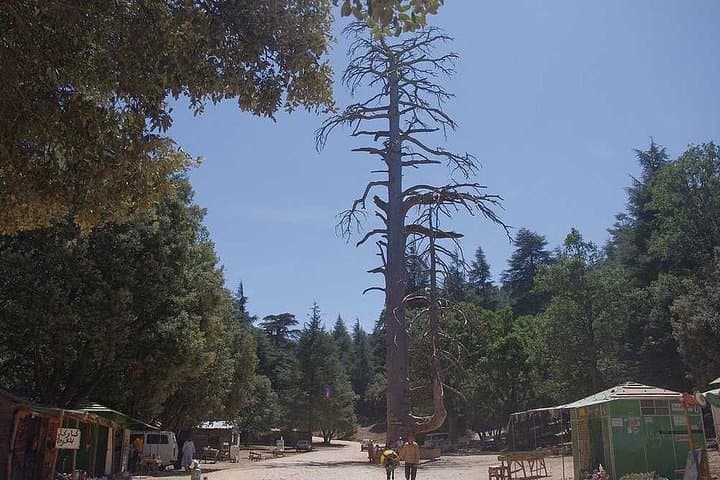
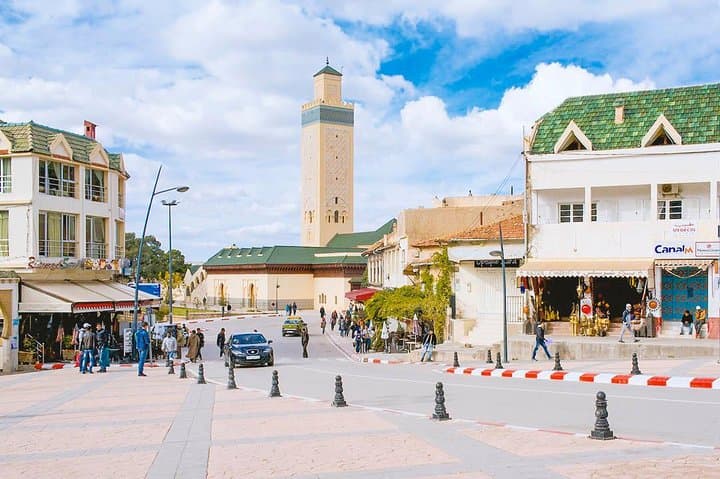
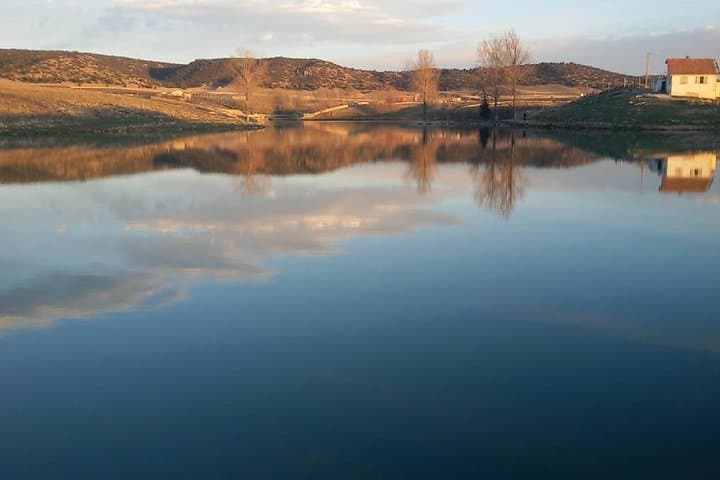
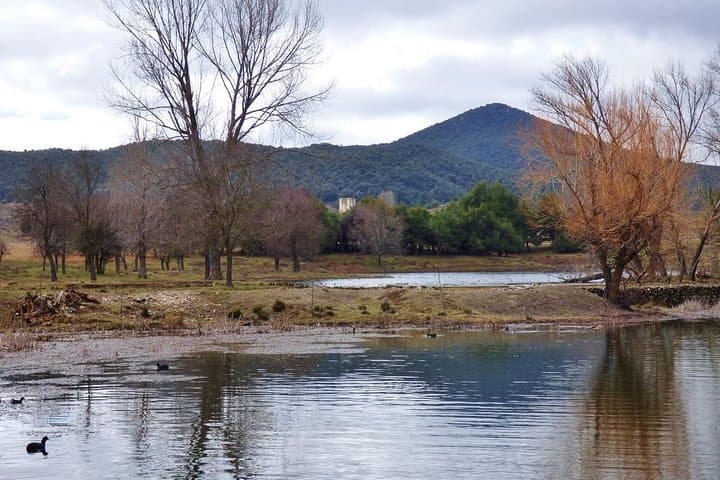
You step out of the air‑conditioned van into a cold, pine-scented afternoon and the Middle Atlas exhales around you—wind pushing through cedar boughs, a distant ridge holding back the sky. The towns of Ifrane and Azrou feel almost alpine: stone buildings, clean squares, and trails that climb through a forest of ancient cedars and scrub.
You step out of the air‑conditioned van into a cold, pine-scented afternoon and the Middle Atlas exhales around you—wind pushing through cedar boughs, a distant ridge holding back the sky. The towns of Ifrane and Azrou feel almost alpine: stone buildings, clean squares, and trails that climb through a forest of ancient cedars and scrub.
Geology here is compact and honest—folded limestone and sandstone uplifted into plateaus that catch winter snows and feed streams through spring. Human history is layered: Amazigh (Berber) communities have grazed and farmed these slopes for centuries; the French created Ifrane as a mountain station in the early 20th century, leaving an architectural imprint and a network of roads that modern tours use.
Culture arrives in small details — a market stall selling flatbread, shepherds moving flocks, and local tea shared beside a lookout. Wildlife is visible if you slow down: Barbary macaques move through canopy gaps and raptors wheel over open ridgelines.
Practical guidance: expect 6–8 hours total door-to-door with 2–4 hours of walking on uneven dirt tracks and gentle climbs. Wear broken-in hiking shoes, carry 2–3 liters of water, and layer for variable mountain sun and sudden wind. Photography windows open in late afternoon light; mornings are cooler and quieter.
This excursion suits travelers wanting a brief but tangible alpine day—clear vistas, forest trails, and small-town culture—without venturing into remote backcountry. Respect local wildlife: observe from distance and leave no trace.