THE ADVENTURE COLLECTIVE® · Independent discovery and booking for outdoor travel

Set out from Mā’alaea Harbor into the ʻAuʻau Channel for a two-hour midday whale watch where humpbacks migrate to mate and calve. Expect close viewing of breaches, tail slaps and informative narration with snacks and beverages onboard.
Set out from Mā’alaea Harbor into the ʻAuʻau Channel for a two-hour midday whale watch where humpbacks migrate to mate and calve. Expect close viewing of breaches, tail slaps and informative narration with snacks and beverages onboard.
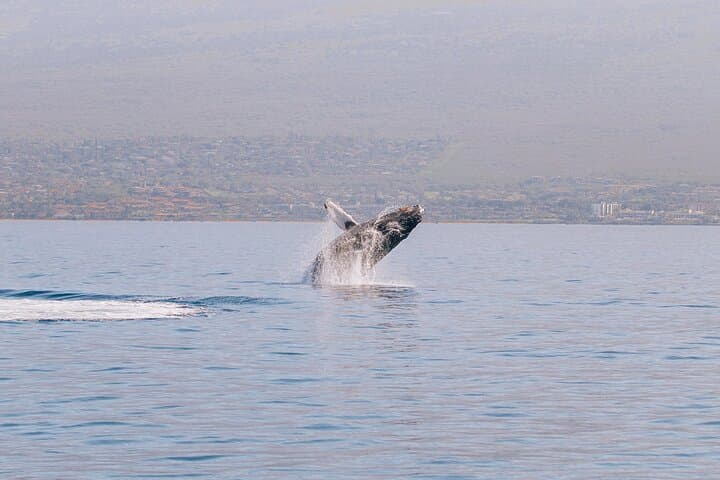
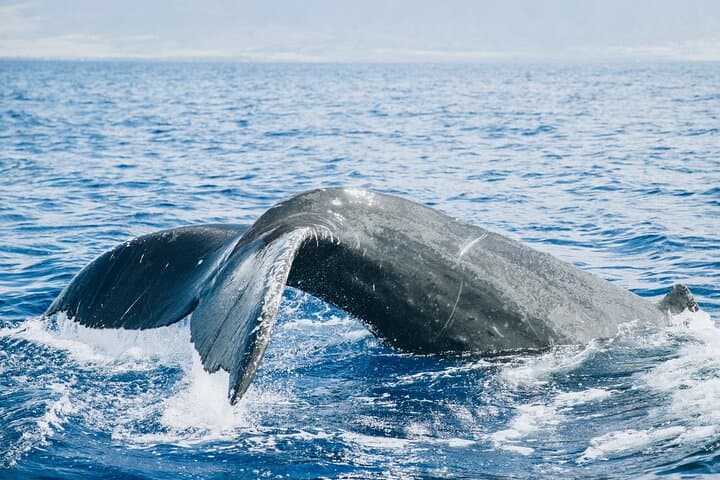
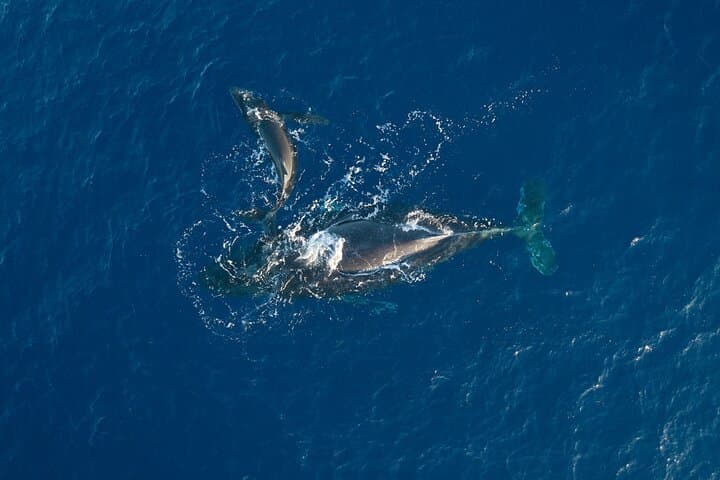
You step onto Māʻalaea’s jetty and the harbor air tastes like salt and sunscreen; the boat rocks easy, engines idle, and the channel ahead is a pale, moving sheet. Vessels thread toward the deeper blue where the ʻAuʻau Channel funnels humpbacks each winter. The whales arrive from Alaska to court, calve and practice the dramatic moves that leave observers breathless—tail slaps, breaches, and protective maternal glances.
Verified experiences and guided adventures in the surrounding area.
Operated by Sail Maui · Mā’alaea, Hawaii
You step onto Māʻalaea’s jetty and the harbor air tastes like salt and sunscreen; the boat rocks easy, engines idle, and the channel ahead is a pale, moving sheet. Vessels thread toward the deeper blue where the ʻAuʻau Channel funnels humpbacks each winter. The whales arrive from Alaska to court, calve and practice the dramatic moves that leave observers breathless—tail slaps, breaches, and protective maternal glances.
Geologically, the ʻAuʻau Channel is a deep trench between Maui and Lāna‘i carved by volcanic uplift and erosion, creating calm, nutrient-rich waters that draw marine life. Culturally, Hawaiians have observed and named the humpbacks for generations; today local guides combine modern science with island knowledge to locate pods respectfully and legally.
On a midday cruise the light is direct, ideal for spotting blows and flukes; whales often surface at close distance in the protected shallows. Expect binocular-worthy scenes and knowledgeable narration about behavior, migration timing and calf rearing. Wildlife can be active or quiet—guides read the patterns and move accordingly.
Practical guidance: arrive at slip #72 in Mā’alaea Harbor 20–30 minutes early, bring layered sun protection, and consider seasickness prevention if you’re prone. Tours run about two hours, suitable for most fitness levels and families (infants sit on laps). Boats carry snacks, water and alcoholic beverages—check dietary needs ahead of booking. Weather or low passenger numbers can prompt cancellation; the operator offers alternatives or full refunds. Leave no trace: pack out trash and follow the crew’s viewing distance rules to protect the whales and their calves.
easy.
2 hours.
Suitable for most fitness levels; requires basic mobility to board and move around the deck.
Peak season runs roughly December through April when humpbacks migrate to Hawaiian waters to breed and calve; sightings are most frequent mid-season (January–March).
The cruise lasts about two hours and departs from slip #72 at Mā’alaea Harbor; arrive 20–30 minutes early to check in.
Yes—children are welcome and infants must sit on an adult’s lap; the vessel is family-friendly but check life jacket availability for small children.
Tours may be canceled for adverse weather or insufficient passengers; in those cases you will be offered an alternative date or a full refund if rescheduling isn’t possible.
Hawaiian communities have observed whale migrations for generations; modern protection began in the 20th century with sanctuary designations and research focused in the ʻAuʻau Channel.
Respect viewing distance rules and crew instructions—boats must follow NOAA guidelines to minimize disturbance to mothers and calves; support local sanctuaries through donations and responsible tourism.
Sail Maui operates guided outdoor trips and adventures with an emphasis on safety, stewardship, and memorable experiences.
You step onto Māʻalaea’s jetty and the harbor air tastes like salt and sunscreen; the boat rocks easy, engines idle, and the channel ahead is a pale, moving sheet. Vessels thread toward the deeper blue where the ʻAuʻau Channel funnels humpbacks each winter. The whales arrive from Alaska to court, calve and practice the dramatic moves that leave observers breathless—tail slaps, breaches, and protective maternal glances.
You step onto Māʻalaea’s jetty and the harbor air tastes like salt and sunscreen; the boat rocks easy, engines idle, and the channel ahead is a pale, moving sheet. Vessels thread toward the deeper blue where the ʻAuʻau Channel funnels humpbacks each winter. The whales arrive from Alaska to court, calve and practice the dramatic moves that leave observers breathless—tail slaps, breaches, and protective maternal glances.
Geologically, the ʻAuʻau Channel is a deep trench between Maui and Lāna‘i carved by volcanic uplift and erosion, creating calm, nutrient-rich waters that draw marine life. Culturally, Hawaiians have observed and named the humpbacks for generations; today local guides combine modern science with island knowledge to locate pods respectfully and legally.
On a midday cruise the light is direct, ideal for spotting blows and flukes; whales often surface at close distance in the protected shallows. Expect binocular-worthy scenes and knowledgeable narration about behavior, migration timing and calf rearing. Wildlife can be active or quiet—guides read the patterns and move accordingly.
Practical guidance: arrive at slip #72 in Mā’alaea Harbor 20–30 minutes early, bring layered sun protection, and consider seasickness prevention if you’re prone. Tours run about two hours, suitable for most fitness levels and families (infants sit on laps). Boats carry snacks, water and alcoholic beverages—check dietary needs ahead of booking. Weather or low passenger numbers can prompt cancellation; the operator offers alternatives or full refunds. Leave no trace: pack out trash and follow the crew’s viewing distance rules to protect the whales and their calves.