THE ADVENTURE COLLECTIVE® · Independent discovery and booking for outdoor travel

Short, punchy, and wildly fun—the Nugget–Powerhouse stretch of the Rogue packs big character into 5.5 miles. Launch from Ashland for a midday run that balances approachable rapids with a few standout drops and a dose of Rogue Valley history.
Short, punchy, and wildly fun—the Nugget–Powerhouse stretch of the Rogue packs big character into 5.5 miles. Launch from Ashland for a midday run that balances approachable rapids with a few standout drops and a dose of Rogue Valley history.
By late morning the Rogue turns talkative, its green tongue flicking at raft tubes and daring paddles to bite back. From Ashland’s downtown plaza the shuttle rolls through orchard country to the river’s warm spine, where guides fit helmets, PFDs, and wetsuits, run through paddle commands, and point downstream to a 5.5‑mile burst of classic Southern Oregon whitewater. This is the Nugget–Powerhouse stretch—short, punchy, and action-forward—where waves stand up fast, eddies tug at sterns, and basalt ledges set the tempo.
Verified experiences and guided adventures in the surrounding area.
Operated by Noahs River Adventures · Gold Hill, Oregon
By late morning the Rogue turns talkative, its green tongue flicking at raft tubes and daring paddles to bite back. From Ashland’s downtown plaza the shuttle rolls through orchard country to the river’s warm spine, where guides fit helmets, PFDs, and wetsuits, run through paddle commands, and point downstream to a 5.5‑mile burst of classic Southern Oregon whitewater. This is the Nugget–Powerhouse stretch—short, punchy, and action-forward—where waves stand up fast, eddies tug at sterns, and basalt ledges set the tempo.
The Rogue is a working river with a wild heart. Released from Lost Creek Lake upstream, summer flows stay steady; in spring, snowmelt fattens the tongue and deepens the push. You’ll start with friendly warm‑ups—riffles, Class II rollers, a few quick S‑turns—before the river raises an eyebrow at Nugget Falls. Depending on flows and your crew’s comfort, guides may thread the main tongue for a Class III+ hit or choose a conservative line. Around the bend, Powerhouse (Ti’lomikh Falls) gathers itself into a tight horizon line. The Takelma people long held salmon ceremonies here; the energy still hums in the current. After the Gold Ray Dam came down in 2010, this rapid sharpened back into form—cleaner channels, louder hydraulics, and better passage for fish and boats alike. Some days you’ll scout from shore; some days you’ll run it. Either way, the river makes the final call.
Between the headliners, the Rogue softens. Osprey trace the current, green herons stalk the margins, and the valley heat leans on the water until your splash jacket answers back. Expect two hours on the water, a shoreside lunch, and a steady drumbeat of guide banter—river signals, local history, and when to dig in or sit high and ride.
Practicalities are simple: this is an intro to whitewater suited to adventurous first‑timers and families (minimum age typically 7–8, size dependent). Dress in quick‑dry layers under the provided wetsuit and fleece on cooler days; in peak summer, you’ll still want sun coverage. Bring a water bottle, strap your sunglasses, and trust your guide’s cadence: forward two, hold, back paddle. The Rogue likes to keep you honest, but it gives back in smiles and a spray‑cooled afternoon that lands you in Ashland by mid‑afternoon with river hair, tired arms, and a new respect for Southern Oregon’s most charismatic current.
moderate.
4.5–5 hours (including shuttle).
Comfortable sitting and paddling for up to 2 hours on the water; able to brace with feet and engage core; basic swimming ability recommended.
The Nugget–Powerhouse stretch features Class II–III+ whitewater with two notable drops: Nugget Falls and Powerhouse (Ti’lomikh). Lines vary with flow, and guides may scout or choose conservative routes based on conditions.
No. This is an introductory trip designed for first‑timers and families. Guides provide a safety talk and coach paddle commands before entering bigger features.
Yes—lunch and beverages are included, along with all technical gear such as helmets, PFDs, wetsuits, splash jackets, and fleece layers when needed.
Typically 7–8 years old, depending on size, fit in safety gear, and current river conditions. Final eligibility is at the guide’s discretion for safety.
Plan on about two hours floating and paddling, within a 4.5–5 hour round‑trip from Ashland that includes shuttles, safety briefing, and lunch.
May through September offers the most consistent conditions. Spring brings bigger, colder flows; summer sees warmer air temps with steady dam‑release levels.
This reach flows past Ti’lomikh, a traditional Takelma gathering place tied to salmon ceremonies. The 2010 removal of Gold Ray Dam restored fish passage and re‑shaped Powerhouse Rapid to a more natural state.
Stay off salmon redds (gravel nests) in late summer and fall—look for clean, bright gravel patches. Pack out everything, and follow guide instructions to minimize bank erosion at put‑ins and take‑outs.
Noahs River Adventures operates guided outdoor trips and adventures with an emphasis on safety, stewardship, and memorable experiences.
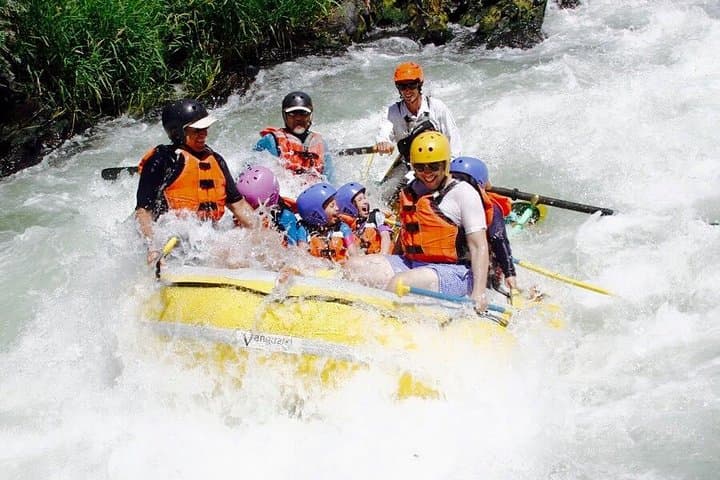
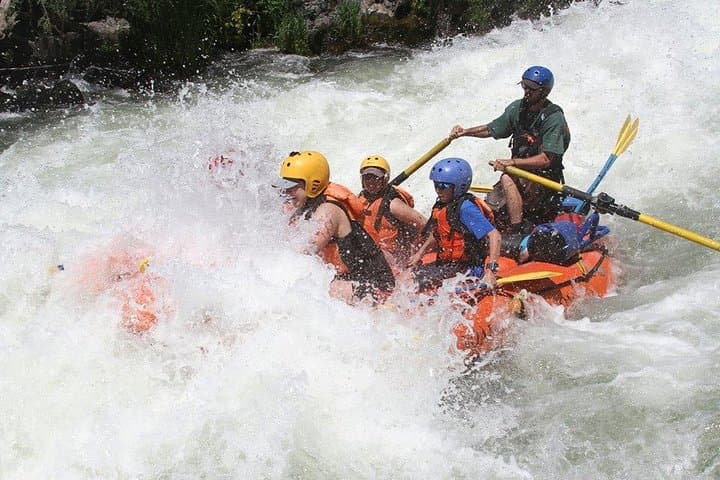
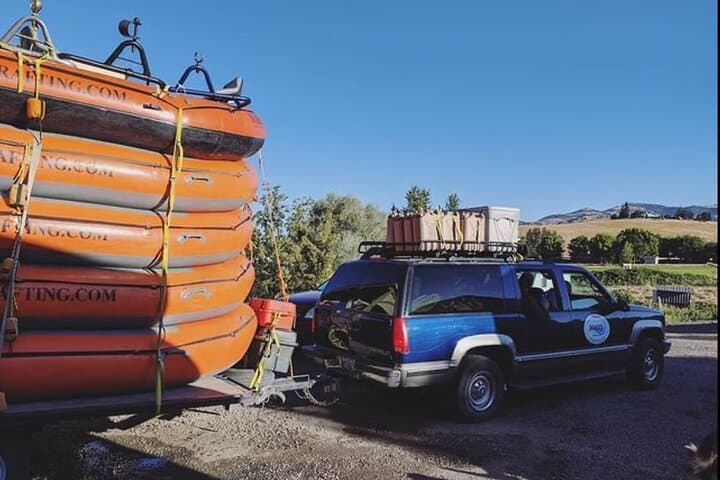
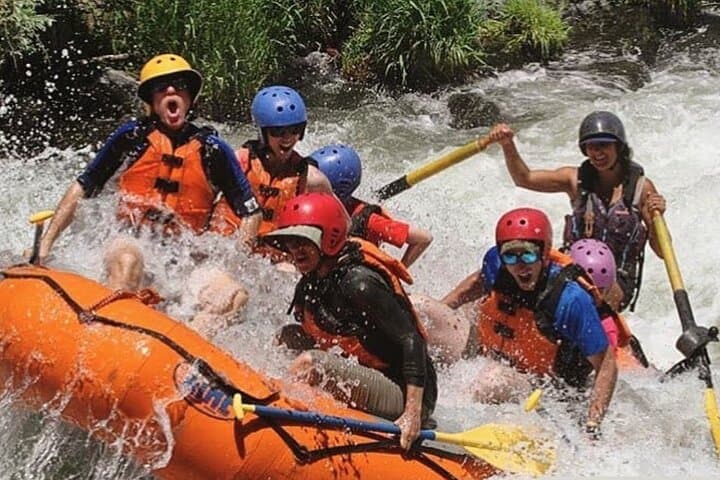
By late morning the Rogue turns talkative, its green tongue flicking at raft tubes and daring paddles to bite back. From Ashland’s downtown plaza the shuttle rolls through orchard country to the river’s warm spine, where guides fit helmets, PFDs, and wetsuits, run through paddle commands, and point downstream to a 5.5‑mile burst of classic Southern Oregon whitewater. This is the Nugget–Powerhouse stretch—short, punchy, and action-forward—where waves stand up fast, eddies tug at sterns, and basalt ledges set the tempo.
By late morning the Rogue turns talkative, its green tongue flicking at raft tubes and daring paddles to bite back. From Ashland’s downtown plaza the shuttle rolls through orchard country to the river’s warm spine, where guides fit helmets, PFDs, and wetsuits, run through paddle commands, and point downstream to a 5.5‑mile burst of classic Southern Oregon whitewater. This is the Nugget–Powerhouse stretch—short, punchy, and action-forward—where waves stand up fast, eddies tug at sterns, and basalt ledges set the tempo.
The Rogue is a working river with a wild heart. Released from Lost Creek Lake upstream, summer flows stay steady; in spring, snowmelt fattens the tongue and deepens the push. You’ll start with friendly warm‑ups—riffles, Class II rollers, a few quick S‑turns—before the river raises an eyebrow at Nugget Falls. Depending on flows and your crew’s comfort, guides may thread the main tongue for a Class III+ hit or choose a conservative line. Around the bend, Powerhouse (Ti’lomikh Falls) gathers itself into a tight horizon line. The Takelma people long held salmon ceremonies here; the energy still hums in the current. After the Gold Ray Dam came down in 2010, this rapid sharpened back into form—cleaner channels, louder hydraulics, and better passage for fish and boats alike. Some days you’ll scout from shore; some days you’ll run it. Either way, the river makes the final call.
Between the headliners, the Rogue softens. Osprey trace the current, green herons stalk the margins, and the valley heat leans on the water until your splash jacket answers back. Expect two hours on the water, a shoreside lunch, and a steady drumbeat of guide banter—river signals, local history, and when to dig in or sit high and ride.
Practicalities are simple: this is an intro to whitewater suited to adventurous first‑timers and families (minimum age typically 7–8, size dependent). Dress in quick‑dry layers under the provided wetsuit and fleece on cooler days; in peak summer, you’ll still want sun coverage. Bring a water bottle, strap your sunglasses, and trust your guide’s cadence: forward two, hold, back paddle. The Rogue likes to keep you honest, but it gives back in smiles and a spray‑cooled afternoon that lands you in Ashland by mid‑afternoon with river hair, tired arms, and a new respect for Southern Oregon’s most charismatic current.