THE ADVENTURE COLLECTIVE® · Independent discovery and booking for outdoor travel

Board the train to Kalabaka and arrive into a landscape of towering sandstone pillars crowned by ancient monasteries. This midday tour lets you see all six Meteora complexes, enter three, and stop at the most panoramic viewpoints for photos and context from a local guide.
Board the train to Kalabaka and arrive into a landscape of towering sandstone pillars crowned by ancient monasteries. This midday tour lets you see all six Meteora complexes, enter three, and stop at the most panoramic viewpoints for photos and context from a local guide.
You step off the afternoon train at Kalabaka and feel the rocks before you see them — warm stone towering like sculptures that time has been chiseling for millennia. The minibus hums away and a local guide points out the first cluster of monasteries, their red-tile roofs caught in high sun; the light makes the sandstone cliffs glow and casts sharp shadows across narrow stairways.
Verified experiences and guided adventures in the surrounding area.
Operated by VIP Metora Tours · Kalabaka, Thessaly
You step off the afternoon train at Kalabaka and feel the rocks before you see them — warm stone towering like sculptures that time has been chiseling for millennia. The minibus hums away and a local guide points out the first cluster of monasteries, their red-tile roofs caught in high sun; the light makes the sandstone cliffs glow and casts sharp shadows across narrow stairways.
Meteora grew from a sea of sand and silt; wind and water carved the vertical columns over millions of years. By the Byzantine era, hermit monks scaled these pillars and, from the 11th century onward, built monasteries as places of refuge and devotion. The area blends Orthodox culture, hand-hewn architecture, and raw geology into something that feels deliberate and wild at once. The villages of Kalabaka and Kastraki sit like practical anchors below, where local kafeneia serve coffee and slow conversation.
Practicalities: this midday tour visits all six monastic complexes visually and enters three of them, with time for photos at the best overlooks. Expect stairs, uneven stone, and short walking segments between viewpoints and entrances. Dress respectfully for religious sites (shoulders and knees covered) and bring a refillable water bottle — bottled water is provided but limited. Peak sun makes midday bright; a sun hat and sunscreen help. Trains connect Kalabaka to Athens, but timetables matter — allow a cushion before your departure. Move deliberately on the old stone steps: the landscape looks immutable, but the paths remember the footfalls of centuries.
easy.
4 hours.
Suitable for average fitness; involves walking and climbing short flights of uneven stone steps.
The tour is approximately 4 hours and departs from Kalabaka (Kalambaka) train station shortly after the train arrives around 1 PM.
The tour description states visitation to three monasteries but entrance fees may be paid locally; bring small cash and expect modest admission charges.
Many monastery sites require steep stairs and uneven paths; this tour is labelled suitable for most but is not recommended for travelers with serious spinal or mobility limitations.
Yes—monasteries require modest dress: shoulders and knees should be covered. Some sites offer wraps if you arrive unprepared.
Monastic life in Meteora dates back to ascetic Byzantine hermits; peak construction of the famous monasteries occurred between the 13th and 16th centuries.
Respect marked trails and monastery rules; limiting off-trail travel and carrying out waste helps protect fragile sandstone and cultural sites.
VIP Metora Tours operates guided outdoor trips and adventures with an emphasis on safety, stewardship, and memorable experiences.
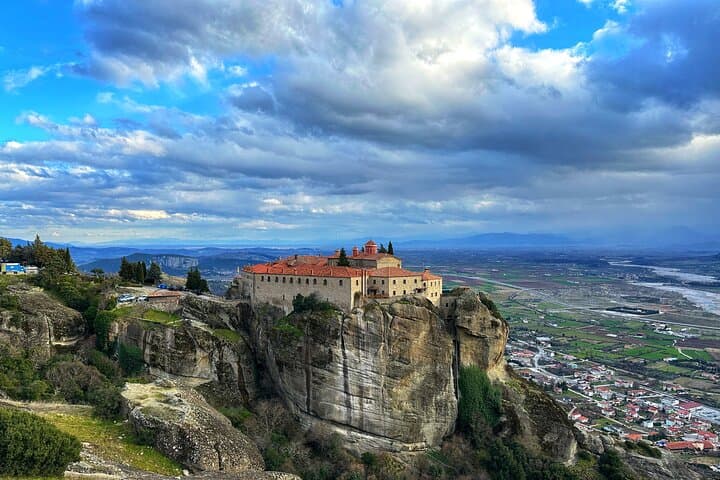
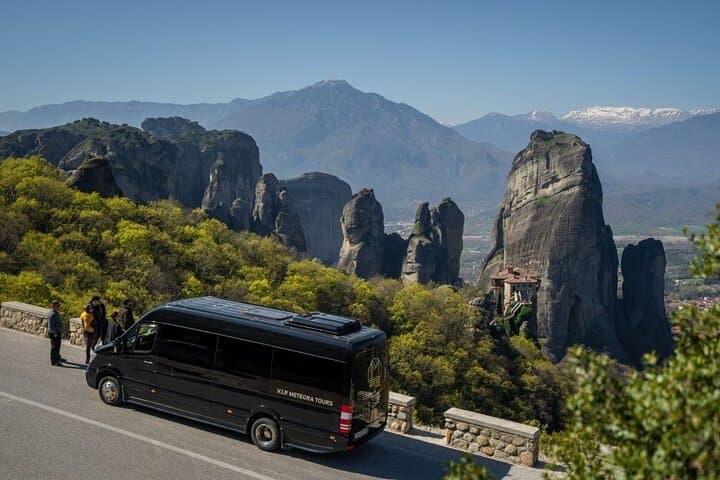
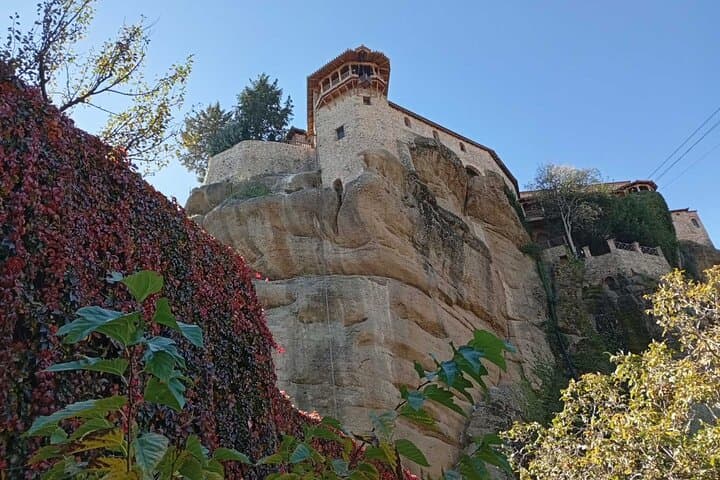
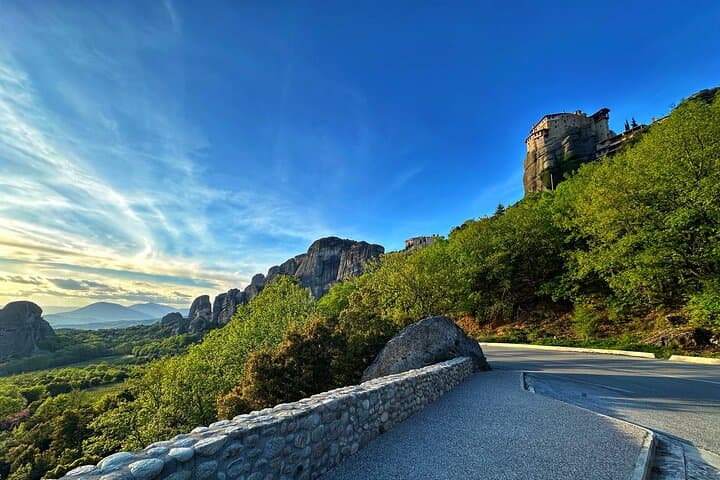
You step off the afternoon train at Kalabaka and feel the rocks before you see them — warm stone towering like sculptures that time has been chiseling for millennia. The minibus hums away and a local guide points out the first cluster of monasteries, their red-tile roofs caught in high sun; the light makes the sandstone cliffs glow and casts sharp shadows across narrow stairways.
You step off the afternoon train at Kalabaka and feel the rocks before you see them — warm stone towering like sculptures that time has been chiseling for millennia. The minibus hums away and a local guide points out the first cluster of monasteries, their red-tile roofs caught in high sun; the light makes the sandstone cliffs glow and casts sharp shadows across narrow stairways.
Meteora grew from a sea of sand and silt; wind and water carved the vertical columns over millions of years. By the Byzantine era, hermit monks scaled these pillars and, from the 11th century onward, built monasteries as places of refuge and devotion. The area blends Orthodox culture, hand-hewn architecture, and raw geology into something that feels deliberate and wild at once. The villages of Kalabaka and Kastraki sit like practical anchors below, where local kafeneia serve coffee and slow conversation.
Practicalities: this midday tour visits all six monastic complexes visually and enters three of them, with time for photos at the best overlooks. Expect stairs, uneven stone, and short walking segments between viewpoints and entrances. Dress respectfully for religious sites (shoulders and knees covered) and bring a refillable water bottle — bottled water is provided but limited. Peak sun makes midday bright; a sun hat and sunscreen help. Trains connect Kalabaka to Athens, but timetables matter — allow a cushion before your departure. Move deliberately on the old stone steps: the landscape looks immutable, but the paths remember the footfalls of centuries.