THE ADVENTURE COLLECTIVE® · Independent discovery and booking for outdoor travel

Walk a swinging boardwalk, cross the exposed mudflats and glide in a dugout canoe through one of Kenya’s richest coastal mangrove systems. Expect birdlife, mudskippers, oysters on the roots and a pastel sunset behind Green Island.
Walk a swinging boardwalk, cross the exposed mudflats and glide in a dugout canoe through one of Kenya’s richest coastal mangrove systems. Expect birdlife, mudskippers, oysters on the roots and a pastel sunset behind Green Island.
The boardwalk sways a little underfoot as mangrove roots twist like the fingers of an old shore; distant calls of herons cut through warm air. Visitors begin with a walk above the mudflats, watching thousands of crabs scatter and the creek’s network of channels reveal themselves with the lowering tide.
Verified experiences and guided adventures in the surrounding area.
Operated by Mida Creek Nature Camp · Watamu, Kilifi County
The boardwalk sways a little underfoot as mangrove roots twist like the fingers of an old shore; distant calls of herons cut through warm air. Visitors begin with a walk above the mudflats, watching thousands of crabs scatter and the creek’s network of channels reveal themselves with the lowering tide.
Mida Creek is a shallow inlet carved by tidal flow where seagrass beds and coral rubble meet a dense fringe of Rhizophora and Avicennia mangroves. The area sits on a coastal plain shaped by Pleistocene sea-level changes and longshore currents; its mix of mud, sand and seagrass supports a migration corridor for shorebirds and a feeding ground for juvenile fish and sea turtles. The creek’s human story ties to the Giriama and Swahili coastal culture—fishing, canoe craft and palm wine are part of daily life here.
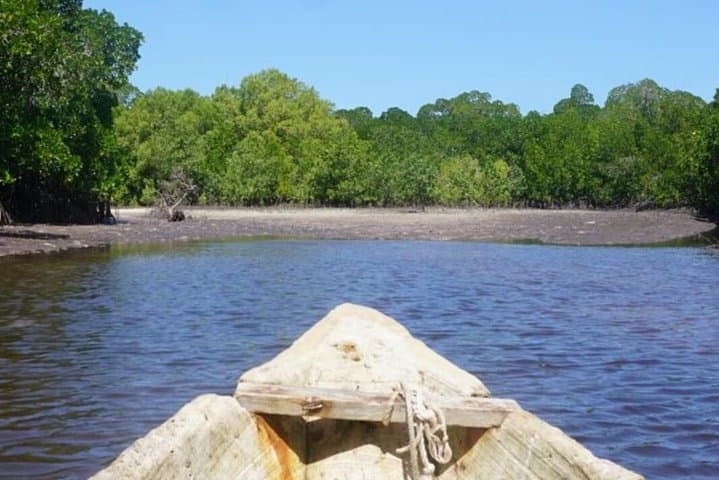
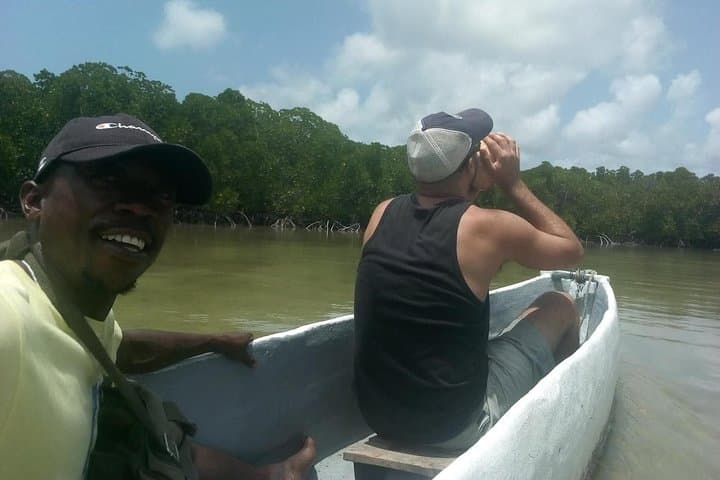
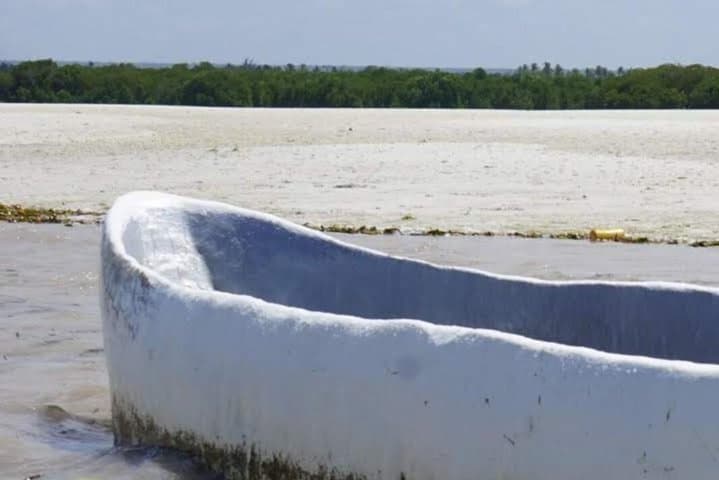
After the walk, a traditional dugout canoe takes you deeper into narrow channels. Expect close encounters with mudskippers, oysters clinging to aerial roots and a chorus of kingfishers and flamingos in season. At sunset the water brightens and the creek pushes a gentle current that seems to guide the canoe back toward the village.
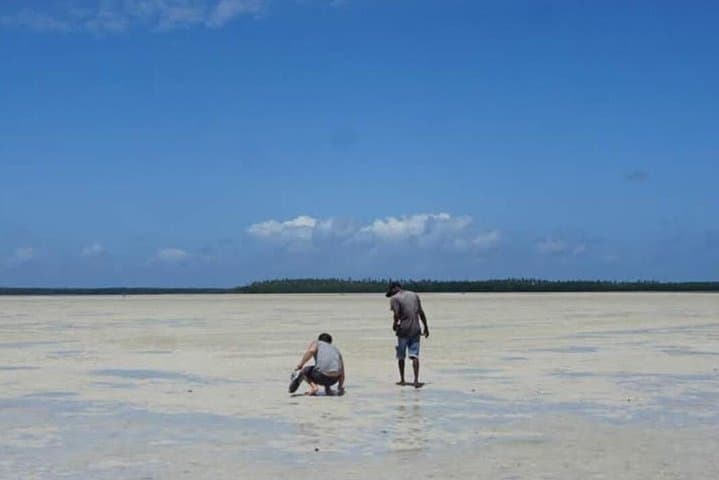
Practical notes: the experience runs about two hours and varies with tide—low-tide walks expose the sea bed, high tide means more paddling. Wear water-friendly shoes, insect protection and sun coverage. Guides know local bird timings and the best canoe routes; tell operators about mobility concerns to schedule a higher-tide option. Bring a small dry bag and a refillable water bottle to stay comfortable.
easy.
2 hours.
Suitable for most fitness levels; participants should be able to walk short stretches on uneven, muddy ground and step into a low canoe.
Walking distance varies with tide; low-tide departures include a short walk across exposed mudflats and a boardwalk—overall activity lasts about two hours with limited walking segments.
Yes—Mida Creek hosts around 65 bird species including herons, kingfishers and flamingos at times; mudskippers, oysters and small fish are common in the mangrove channels.
Generally yes—canoes are stable and guided, but guests should be able to step into a low boat and sit steadily; request a higher-tide option if mobility is a concern.
Basic facilities and local refreshments (fresh coconut, palm wine) are available at the nearby Giriama village after the trip; bring water for the tour itself.
The creek and surrounding coast have long been used by Giriama and Swahili fisherfolk and sit along historic trade routes connecting the Indian Ocean coast.
Mida Creek is part of a recognized biosphere reserve and bird area; stick to boardwalks, avoid collecting shells or disturbing nests, and follow guides to minimize impact.
Mida Creek Nature Camp operates guided outdoor trips and adventures with an emphasis on safety, stewardship, and memorable experiences.
The boardwalk sways a little underfoot as mangrove roots twist like the fingers of an old shore; distant calls of herons cut through warm air. Visitors begin with a walk above the mudflats, watching thousands of crabs scatter and the creek’s network of channels reveal themselves with the lowering tide.
The boardwalk sways a little underfoot as mangrove roots twist like the fingers of an old shore; distant calls of herons cut through warm air. Visitors begin with a walk above the mudflats, watching thousands of crabs scatter and the creek’s network of channels reveal themselves with the lowering tide.
Mida Creek is a shallow inlet carved by tidal flow where seagrass beds and coral rubble meet a dense fringe of Rhizophora and Avicennia mangroves. The area sits on a coastal plain shaped by Pleistocene sea-level changes and longshore currents; its mix of mud, sand and seagrass supports a migration corridor for shorebirds and a feeding ground for juvenile fish and sea turtles. The creek’s human story ties to the Giriama and Swahili coastal culture—fishing, canoe craft and palm wine are part of daily life here.
After the walk, a traditional dugout canoe takes you deeper into narrow channels. Expect close encounters with mudskippers, oysters clinging to aerial roots and a chorus of kingfishers and flamingos in season. At sunset the water brightens and the creek pushes a gentle current that seems to guide the canoe back toward the village.
Practical notes: the experience runs about two hours and varies with tide—low-tide walks expose the sea bed, high tide means more paddling. Wear water-friendly shoes, insect protection and sun coverage. Guides know local bird timings and the best canoe routes; tell operators about mobility concerns to schedule a higher-tide option. Bring a small dry bag and a refillable water bottle to stay comfortable.