THE ADVENTURE COLLECTIVE® · Independent discovery and booking for outdoor travel

Combine priority access to Michelangelo’s David with a guided walk through Florence’s historic streets and a glass of wine from a Renaissance ‘wine window.’ This compact 2.5-hour tour mixes art, local lore, and market flavors.
Combine priority access to Michelangelo’s David with a guided walk through Florence’s historic streets and a glass of wine from a Renaissance ‘wine window.’ This compact 2.5-hour tour mixes art, local lore, and market flavors.
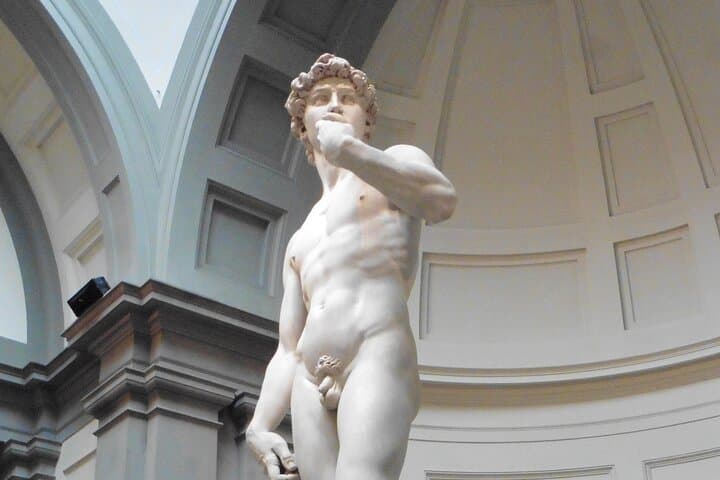
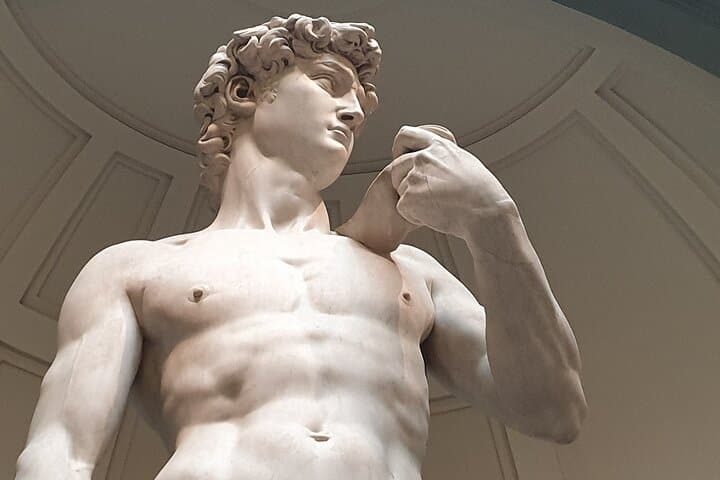
You step out of a narrow Florentine street into a plaza where marble gleams under an uncertain sun; the David stands larger than memory, carved muscle and intent, and the guide's voice threads history between tourists' steps.
Verified experiences and guided adventures in the surrounding area.
Operated by Wanderinitaly · Florence, Tuscany
You step out of a narrow Florentine street into a plaza where marble gleams under an uncertain sun; the David stands larger than memory, carved muscle and intent, and the guide's voice threads history between tourists' steps.
This 2.5-hour walk pairs priority access to the Galleria dell'Accademia with a neighborhood stroll through San Lorenzo and the Duomo quarter. Florence's layers—Roman foundations, medieval streets, and Renaissance façades—are visible in the cracked stones underfoot and the compact palazzi that once housed the Medicis. Geologically, the city sits on alluvial plains cut by the Arno; most landmarks are built from locally quarried pietra serena and limestone, giving facades their cool gray and honey tones.
Culturally the tour centers on Renaissance art and everyday foodways: you’ll hear how Michelangelo worked in rivalry and devotion, and why tiny wine windows (buchette del vino) were once civic conveniences. The route ends at Mercato Centrale, where leather, basil, and aged pecorino compete for attention.
Practical guidance: be prepared to stand and walk for up to three hours, and to navigate short staircases inside older churches. Bring a small water bottle, wear comfortable shoes with good grip, and carry a light layer—Florence’s weather turns quickly in spring and fall. If you plan to enter churches beyond exterior viewing, shoulders and knees should be covered. Timing matters: mornings are cooler and less crowded; book priority access to minimize wait times. The experience is equal parts museum visit and neighborhood walk—efficient, tactile, and rooted in Florence’s living history.
moderate.
2–3 hours.
Able to stand and walk 2–3 hours, navigate short staircases and uneven pavements
Yes—this tour includes priority access admission to the Galleria dell'Accademia for the scheduled visit.
The tour notes wheelchair and stroller accessibility for most areas, but some historic interiors have limited access—confirm specifics when booking.
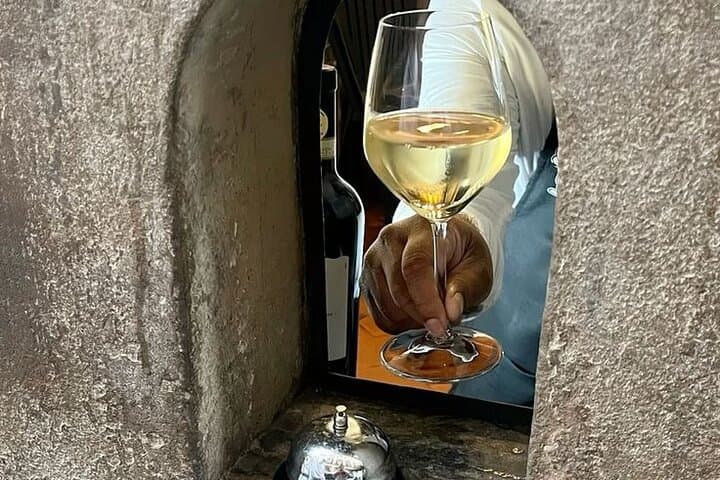
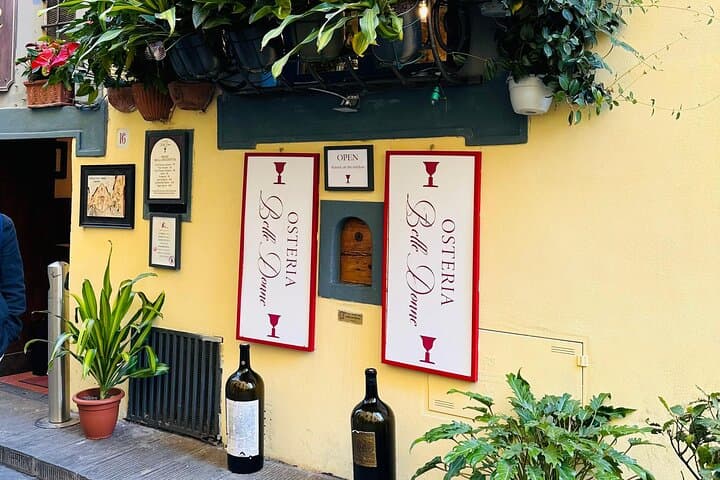
Yes; the experience includes a glass of wine served through one of Florence’s original buchette del vino, a surviving Renaissance feature.
Expect about 2–3 hours total with standing during the museum visit and walking between plazas—moderate fitness is recommended.
Florence was the cradle of the Renaissance; families like the Medici funded artists and shaped civic life, leaving an unusually concentrated collection of 15th–16th century art.
High visitor volumes threaten fragile interiors—support local guides, avoid flash photography where prohibited, and follow site rules to preserve artworks.
Wanderinitaly operates guided outdoor trips and adventures with an emphasis on safety, stewardship, and memorable experiences.
You step out of a narrow Florentine street into a plaza where marble gleams under an uncertain sun; the David stands larger than memory, carved muscle and intent, and the guide's voice threads history between tourists' steps.
You step out of a narrow Florentine street into a plaza where marble gleams under an uncertain sun; the David stands larger than memory, carved muscle and intent, and the guide's voice threads history between tourists' steps.
This 2.5-hour walk pairs priority access to the Galleria dell'Accademia with a neighborhood stroll through San Lorenzo and the Duomo quarter. Florence's layers—Roman foundations, medieval streets, and Renaissance façades—are visible in the cracked stones underfoot and the compact palazzi that once housed the Medicis. Geologically, the city sits on alluvial plains cut by the Arno; most landmarks are built from locally quarried pietra serena and limestone, giving facades their cool gray and honey tones.
Culturally the tour centers on Renaissance art and everyday foodways: you’ll hear how Michelangelo worked in rivalry and devotion, and why tiny wine windows (buchette del vino) were once civic conveniences. The route ends at Mercato Centrale, where leather, basil, and aged pecorino compete for attention.
Practical guidance: be prepared to stand and walk for up to three hours, and to navigate short staircases inside older churches. Bring a small water bottle, wear comfortable shoes with good grip, and carry a light layer—Florence’s weather turns quickly in spring and fall. If you plan to enter churches beyond exterior viewing, shoulders and knees should be covered. Timing matters: mornings are cooler and less crowded; book priority access to minimize wait times. The experience is equal parts museum visit and neighborhood walk—efficient, tactile, and rooted in Florence’s living history.