THE ADVENTURE COLLECTIVE® · Independent discovery and booking for outdoor travel

Combine a heart-pounding airboat trip through the Everglades with a relaxed, narrated catamaran cruise of Biscayne Bay in one full-day tour from Miami. Expect close wildlife encounters, skyline views, and practical tips to make the most of both ecosystems.
Combine a heart-pounding airboat trip through the Everglades with a relaxed, narrated catamaran cruise of Biscayne Bay in one full-day tour from Miami. Expect close wildlife encounters, skyline views, and practical tips to make the most of both ecosystems.
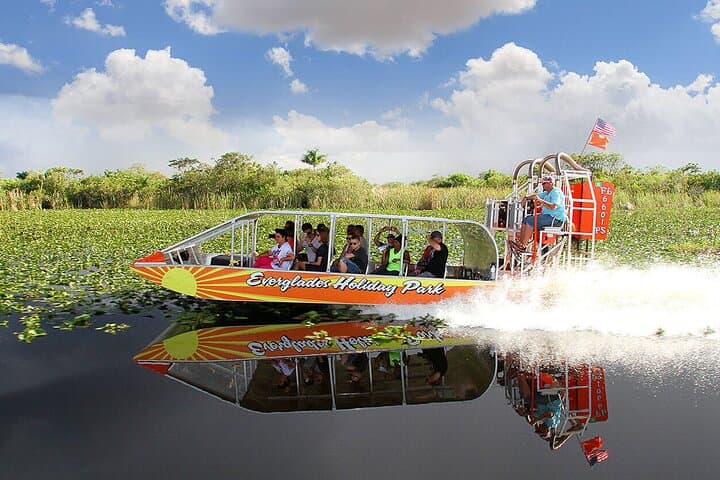
The morning starts with the city’s glass-and-steel skyline shrinking behind you as the bus threads out of downtown and into the low, slow world of the Everglades. On the airboat, wind and spray become a single, playful force; the motor growls, the sawgrass flattens under a wake you didn’t know grass could make, and the guide points out an alligator sunning itself like a stone sculpted by heat.
Verified experiences and guided adventures in the surrounding area.
Operated by Gray Line Miami · Miami, Florida
The morning starts with the city’s glass-and-steel skyline shrinking behind you as the bus threads out of downtown and into the low, slow world of the Everglades. On the airboat, wind and spray become a single, playful force; the motor growls, the sawgrass flattens under a wake you didn’t know grass could make, and the guide points out an alligator sunning itself like a stone sculpted by heat.
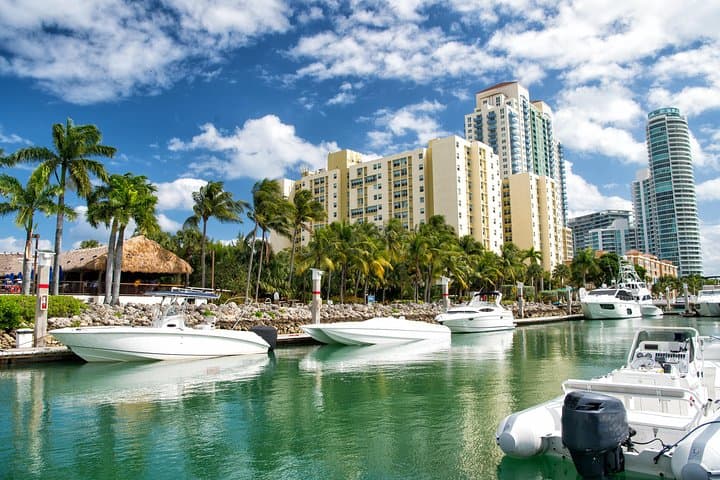
This is a one-day collision of ecosystems: the Everglades’ freshwater marsh—often called the River of Grass—gives way hours later to Biscayne Bay’s aquamarine gutters and the gated façades of Millionaire’s Row. Geologically the Everglades is a shallow limestone shelf, shaped by slow-moving water and seasonal pulses; offshore, the bay traces a drowned limestone plain cut by coral and mangrove roots. Culturally, the day pairs the region’s Indigenous and pioneer history (the Miccosukee and earlier Calusa peoples shaped the wetlands for millennia) with Miami’s 20th-century boom and maritime lifestyle.
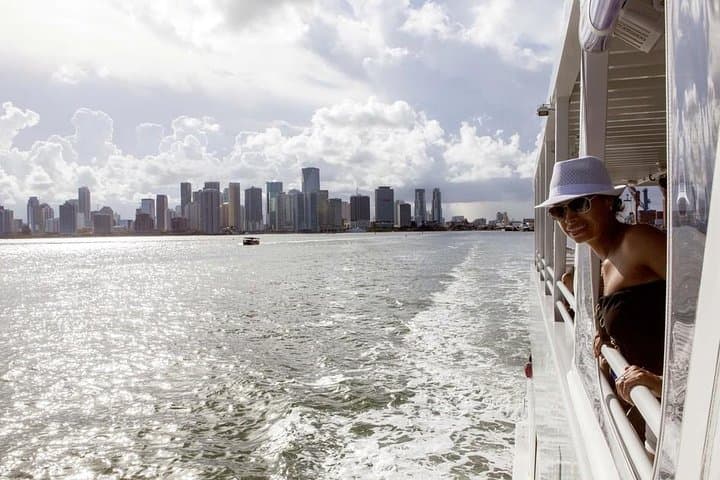
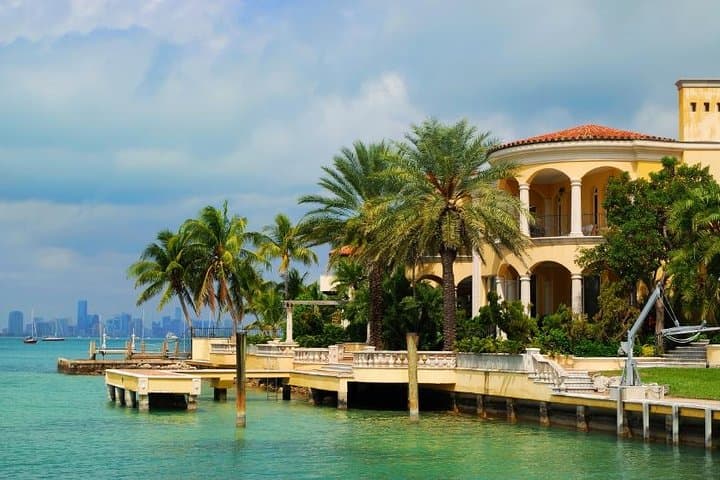
Wildlife plays the lead: alligators, anhingas, herons, and roseate spoonbills in the glades, then pelicans, frigatebirds, and the occasional dolphin in Biscayne Bay. The airboat section is short but intense—45–60 minutes of high-speed viewing that’s best for first-time Everglades visitors. The cruise that follows is calmer: a 90-minute narrated catamaran tour that shows Miami’s skyline, Fisher Island, and the mansions lining Star and Palm Islands.
Logistics are straightforward—meet at Bayside Marketplace in downtown Miami, expect around 6–7 hours total, and note that narration on the Everglades leg is English only while the Biscayne cruise is bilingual. For planning: arrive with sun protection and a light waterproof layer, bring binoculars and a camera with a fast shutter for wildlife, and allow time for Miami traffic when scheduling pickups.
Practical tips matter here: the dry season (late fall–spring) offers easier access and better gator viewing; summer brings mosquitoes and afternoon storms. Respect wildlife—do not feed animals—and follow guide instructions on the airboat to stay safe around exposed decks and propellers. If you want a quieter experience, choose weekday departures outside peak winter tourism.
By dusk you’ll be back at Bayside with salt on your lips, a few new photos, and a clearer sense of why South Florida stitches together both wild and urbane identities—fast-moving grass and the slow churn of ocean commerce, seen in a single long day.
easy.
6–7 hours.
Suitable for most fitness levels; involves short periods standing on boats and getting on/off transport.
The tour runs about 6–7 hours total and includes an Everglades airboat ride, a wildlife exhibit, and a 90-minute Biscayne Bay sightseeing cruise; taxes and fees are included.
Meet at Bayside Marketplace (401 Biscayne Blvd). Hotel pickups are available—confirm exact times with the local operator 48 hours before departure.
Yes—infants may ride but must sit on a lap; minimum age is 2 for the airboat portion and there are no child seat belts on board.
Everglades narration is in English only; Biscayne Bay cruise narration is bilingual (English/Spanish).
Service animals are allowed; pets are not permitted on the boats for safety and sanitation reasons.
Full refunds are available if you cancel at least 24 hours before departure; no-shows are non-refundable and tours may be canceled in bad weather.
The Everglades has supported Indigenous communities and unique wetland cultures for millennia; Miami’s growth in the 20th century turned the bay into an icon of maritime leisure and development.
The Everglades is a focus of major restoration efforts—visitors should avoid feeding or disturbing wildlife and follow leave-no-trace principles to limit ecological impact.
Gray Line Miami operates guided outdoor trips and adventures with an emphasis on safety, stewardship, and memorable experiences.
The morning starts with the city’s glass-and-steel skyline shrinking behind you as the bus threads out of downtown and into the low, slow world of the Everglades. On the airboat, wind and spray become a single, playful force; the motor growls, the sawgrass flattens under a wake you didn’t know grass could make, and the guide points out an alligator sunning itself like a stone sculpted by heat.
The morning starts with the city’s glass-and-steel skyline shrinking behind you as the bus threads out of downtown and into the low, slow world of the Everglades. On the airboat, wind and spray become a single, playful force; the motor growls, the sawgrass flattens under a wake you didn’t know grass could make, and the guide points out an alligator sunning itself like a stone sculpted by heat.
This is a one-day collision of ecosystems: the Everglades’ freshwater marsh—often called the River of Grass—gives way hours later to Biscayne Bay’s aquamarine gutters and the gated façades of Millionaire’s Row. Geologically the Everglades is a shallow limestone shelf, shaped by slow-moving water and seasonal pulses; offshore, the bay traces a drowned limestone plain cut by coral and mangrove roots. Culturally, the day pairs the region’s Indigenous and pioneer history (the Miccosukee and earlier Calusa peoples shaped the wetlands for millennia) with Miami’s 20th-century boom and maritime lifestyle.
Wildlife plays the lead: alligators, anhingas, herons, and roseate spoonbills in the glades, then pelicans, frigatebirds, and the occasional dolphin in Biscayne Bay. The airboat section is short but intense—45–60 minutes of high-speed viewing that’s best for first-time Everglades visitors. The cruise that follows is calmer: a 90-minute narrated catamaran tour that shows Miami’s skyline, Fisher Island, and the mansions lining Star and Palm Islands.
Logistics are straightforward—meet at Bayside Marketplace in downtown Miami, expect around 6–7 hours total, and note that narration on the Everglades leg is English only while the Biscayne cruise is bilingual. For planning: arrive with sun protection and a light waterproof layer, bring binoculars and a camera with a fast shutter for wildlife, and allow time for Miami traffic when scheduling pickups.
Practical tips matter here: the dry season (late fall–spring) offers easier access and better gator viewing; summer brings mosquitoes and afternoon storms. Respect wildlife—do not feed animals—and follow guide instructions on the airboat to stay safe around exposed decks and propellers. If you want a quieter experience, choose weekday departures outside peak winter tourism.
By dusk you’ll be back at Bayside with salt on your lips, a few new photos, and a clearer sense of why South Florida stitches together both wild and urbane identities—fast-moving grass and the slow churn of ocean commerce, seen in a single long day.