THE ADVENTURE COLLECTIVE® · Independent discovery and booking for outdoor travel

Launch from Virginia Key as the Miami skyline melts into sunset. This guided two-hour SUP and kayak tour mixes calm bay paddling, shorebird viewing, and a high chance of manatee encounters in winter months.
Launch from Virginia Key as the Miami skyline melts into sunset. This guided two-hour SUP and kayak tour mixes calm bay paddling, shorebird viewing, and a high chance of manatee encounters in winter months.
The sun hangs low over Biscayne Bay, a slow, molten coin sinking behind the Miami skyline as paddles cut the glassy water. Groups launch from the white beach club on Virginia Key, boards and kayaks lined like quiet promises. A guide calls out a quick safety brief and the group slips into Lamar Lake; the city grows smaller, the bay grows louder with wading birds and the soft breathing of the water.
Verified experiences and guided adventures in the surrounding area.
Operated by PADL · Miami, Florida
The sun hangs low over Biscayne Bay, a slow, molten coin sinking behind the Miami skyline as paddles cut the glassy water. Groups launch from the white beach club on Virginia Key, boards and kayaks lined like quiet promises. A guide calls out a quick safety brief and the group slips into Lamar Lake; the city grows smaller, the bay grows louder with wading birds and the soft breathing of the water.
Biscayne Bay is living history: a shallow carbonate basin formed by ancient coral and dominated now by mangrove islands that have buffered the coast for centuries. Rickenbacker Causeway—built in the 1940s—frames the western edge of this playground, a human ribbon beside an ecosystem that attracts migratory birds and, between November and April, large, peaceful manatees that drift like gargantuan sea-flowers. On calm evenings the Miami skyline becomes a silhouette artists and architects argue about, while the bay keeps its own timetable—tides, currents, and the patience of sea life.
The tour balances urban and marine culture. Guides point out Biscayne’s ecology as readily as they point to skyline landmarks; they’ll explain the mangrove’s role in shoreline protection and the importance of watching for seagrass beds below your board. Wind and current permitting, groups skirt the Atlantic side for a few thrills or paddle out toward the skyline for postcard views—each option shaped by weather and tides.
Practical nuts and bolts: tours are led by experienced instructors, run roughly two hours, and include a kayak or standup paddleboard, paddle, life jacket, and a waterproof bag for essentials. The launch site at Virginia Key has on-site parking; meet at the bay-side white beach club on the Rickenbacker Causeway. Tours are beginner-friendly—suitable for most fitness levels—but not recommended for pregnant travelers or those with significant heart or spinal conditions.
For the best experience, aim for the golden hour when light softens and wildlife is most active. Wear reef-safe sunscreen, light layers that dry quickly, and secure footwear for the short walk to the water. Bring a charged phone in the provided dry bag or a small camera on a floating strap; binoculars will help with distant bird identification.
Safety and stewardship matter here—respect marked seagrass, avoid chasing manatees, and follow your guide’s instructions. When you paddle away from shore and look back at the city, the contrast between urban pulse and bay calm is immediate: Miami might light up the skyline, but the bay decides the pace.
easy.
2 hours.
Suitable for most people with basic balance and mobility; expect light paddling and some standing on SUPs
Meet at the white beach club on the bay side of the Rickenbacker Causeway on Virginia Key—there’s on-site parking and the guide will be visible near the water.
Yes; US Coast Guard-approved life jackets are provided and must be worn for the duration of the tour.
From November through April manatee sightings are common but never guaranteed; they are wild animals and appear on their own schedule.
No—tours are beginner-friendly and include instruction, though basic balance and mobility are helpful for SUPs.
Full refunds are available if you cancel at least 24 hours before the start time; tours may be canceled for bad weather.
Sometimes—guides may take the group toward the Atlantic depending on wind and currents, but the route is adjusted for safety and conditions.
Virginia Key and Biscayne Bay have long been sites of Native habitation and later maritime trade; the Rickenbacker Causeway (1940s) opened access and shaped modern recreation here.
The area protects essential seagrass and mangrove habitats; operators emphasize no-touch wildlife policies and encourage reef-safe products to reduce local impact.
PADL operates guided outdoor trips and adventures with an emphasis on safety, stewardship, and memorable experiences.
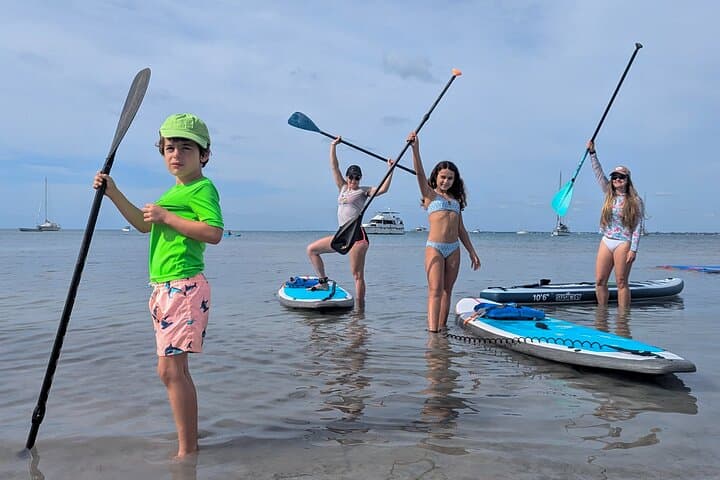
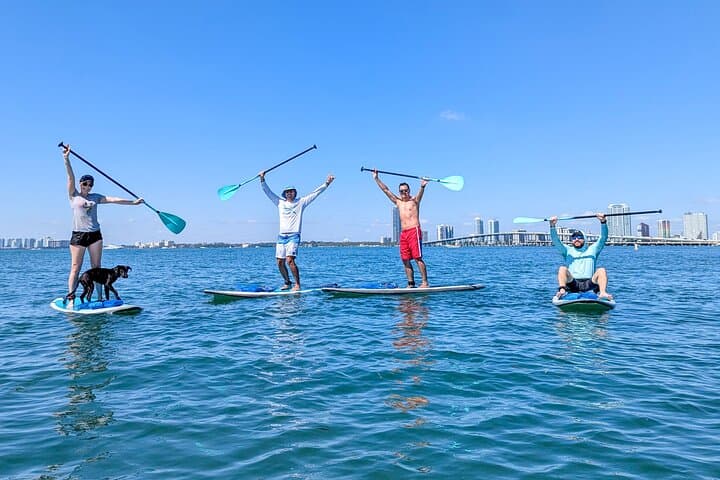
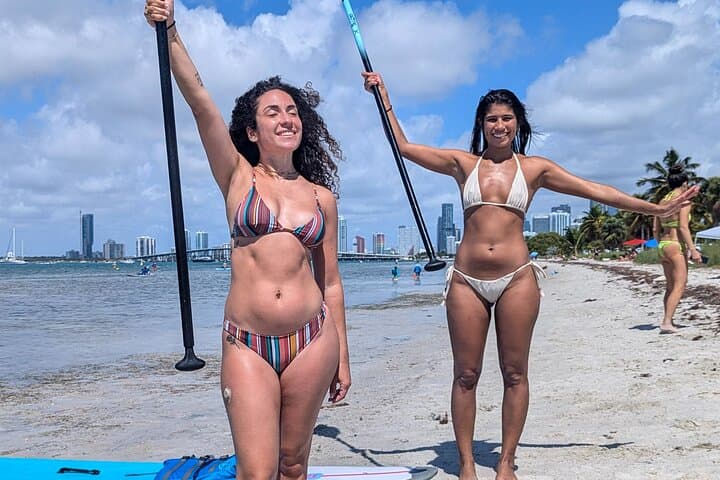
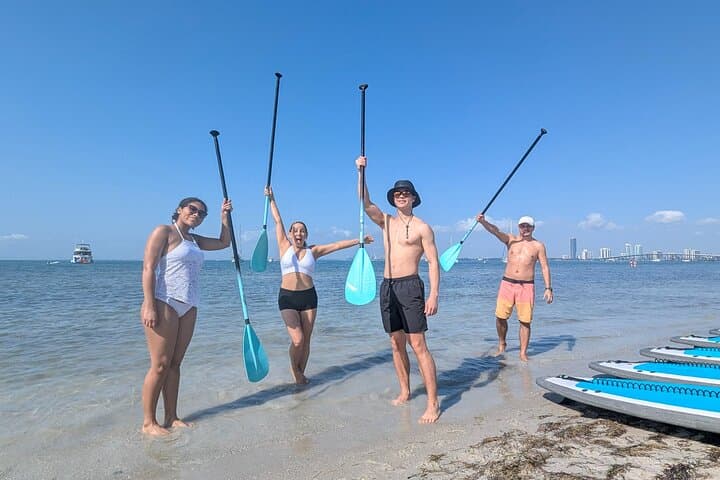
The sun hangs low over Biscayne Bay, a slow, molten coin sinking behind the Miami skyline as paddles cut the glassy water. Groups launch from the white beach club on Virginia Key, boards and kayaks lined like quiet promises. A guide calls out a quick safety brief and the group slips into Lamar Lake; the city grows smaller, the bay grows louder with wading birds and the soft breathing of the water.
The sun hangs low over Biscayne Bay, a slow, molten coin sinking behind the Miami skyline as paddles cut the glassy water. Groups launch from the white beach club on Virginia Key, boards and kayaks lined like quiet promises. A guide calls out a quick safety brief and the group slips into Lamar Lake; the city grows smaller, the bay grows louder with wading birds and the soft breathing of the water.
Biscayne Bay is living history: a shallow carbonate basin formed by ancient coral and dominated now by mangrove islands that have buffered the coast for centuries. Rickenbacker Causeway—built in the 1940s—frames the western edge of this playground, a human ribbon beside an ecosystem that attracts migratory birds and, between November and April, large, peaceful manatees that drift like gargantuan sea-flowers. On calm evenings the Miami skyline becomes a silhouette artists and architects argue about, while the bay keeps its own timetable—tides, currents, and the patience of sea life.
The tour balances urban and marine culture. Guides point out Biscayne’s ecology as readily as they point to skyline landmarks; they’ll explain the mangrove’s role in shoreline protection and the importance of watching for seagrass beds below your board. Wind and current permitting, groups skirt the Atlantic side for a few thrills or paddle out toward the skyline for postcard views—each option shaped by weather and tides.
Practical nuts and bolts: tours are led by experienced instructors, run roughly two hours, and include a kayak or standup paddleboard, paddle, life jacket, and a waterproof bag for essentials. The launch site at Virginia Key has on-site parking; meet at the bay-side white beach club on the Rickenbacker Causeway. Tours are beginner-friendly—suitable for most fitness levels—but not recommended for pregnant travelers or those with significant heart or spinal conditions.
For the best experience, aim for the golden hour when light softens and wildlife is most active. Wear reef-safe sunscreen, light layers that dry quickly, and secure footwear for the short walk to the water. Bring a charged phone in the provided dry bag or a small camera on a floating strap; binoculars will help with distant bird identification.
Safety and stewardship matter here—respect marked seagrass, avoid chasing manatees, and follow your guide’s instructions. When you paddle away from shore and look back at the city, the contrast between urban pulse and bay calm is immediate: Miami might light up the skyline, but the bay decides the pace.