THE ADVENTURE COLLECTIVE® · Independent discovery and booking for outdoor travel

Step aboard a private yacht from Bayside Marketplace and slip into the calm, shallow reefs of Biscayne Bay. This two‑hour, beginner‑friendly snorkel visits a private sandbar with guided instruction, vibrant coral, and easy swimming—ideal for first-timers and families.
Step aboard a private yacht from Bayside Marketplace and slip into the calm, shallow reefs of Biscayne Bay. This two‑hour, beginner‑friendly snorkel visits a private sandbar with guided instruction, vibrant coral, and easy swimming—ideal for first-timers and families.
The bow parts Biscayne Bay like a hand pushing open a page of sky—light slants across glassy water, and the city slips into the background. You step from the dock at Bayside Marketplace onto a compact private yacht and feel the subtle shove of the engine, the kind of forward motion that promises both movement and release. Within twenty minutes the skyline thins, and the captain eases into shallower water where a secluded sandbar and fringing coral sit like an unexpected room in the sea.
Verified experiences and guided adventures in the surrounding area.
Operated by Attractions4us LLC · Miami, Florida
The bow parts Biscayne Bay like a hand pushing open a page of sky—light slants across glassy water, and the city slips into the background. You step from the dock at Bayside Marketplace onto a compact private yacht and feel the subtle shove of the engine, the kind of forward motion that promises both movement and release. Within twenty minutes the skyline thins, and the captain eases into shallower water where a secluded sandbar and fringing coral sit like an unexpected room in the sea.
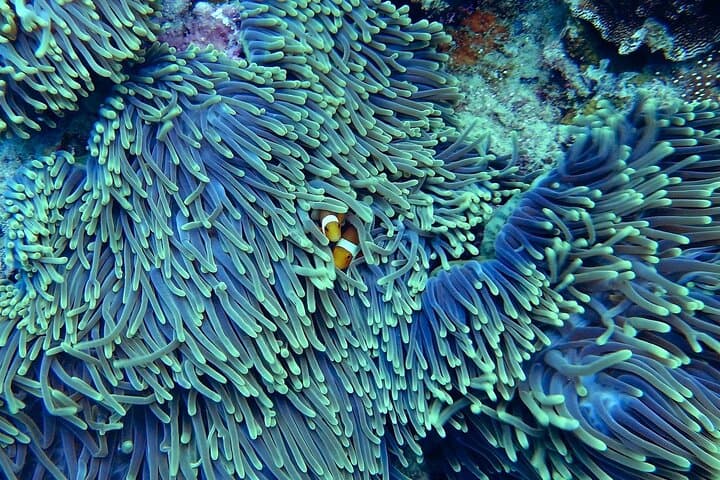
This is not an Olympic dive into the deep but an invitation to meet South Florida’s marine life on its own terms. The coral here is a remnant of ancient reefs built slowly by tiny organisms; what remains is a living edge sculpted by currents and hurricanes. Biscayne Bay’s shallow reefs are ecologically young compared with Caribbean atolls but dense with colorful fish—sergeant majors, parrotfish and the occasional stingray—making them ideal for first-time snorkelers.
Miami’s coast has been a working waterway for centuries. Indigenous communities fished these waters long before Spanish explorers charted the bay in the 16th century, and the area evolved into a maritime crossroads that helped shape the modern city. Today, local captains balance tourism with stewardship: small-boat etiquette and reef-aware snorkeling help keep fragile corals from further damage.
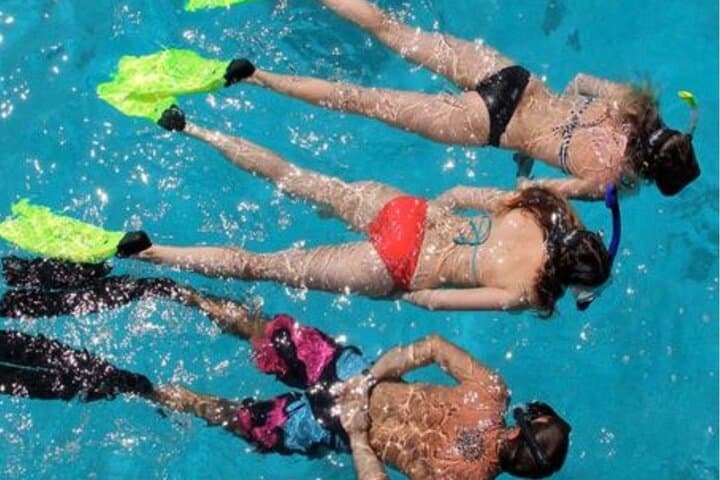
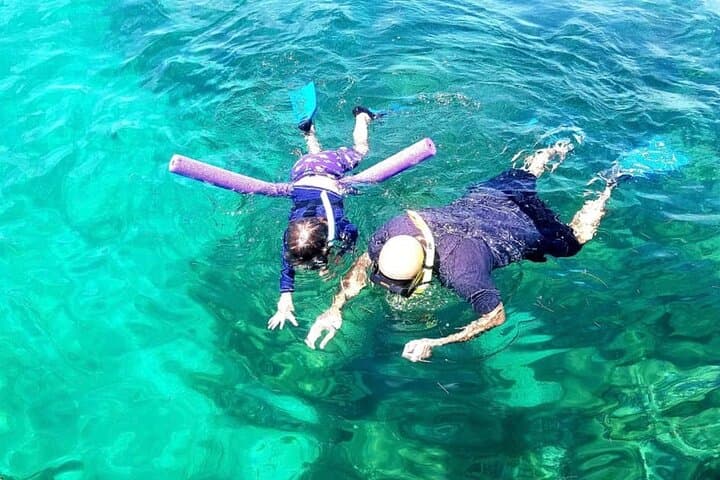
The experience is built for simplicity: a friendly guide briefs you on mask fit and breathing, hands you a snorkel set, and escorts small groups into waist- to chest-deep water. The sandbar itself is as much social as scenic—people float, snack, and watch schools of fish weave between coral fingers that dare you to lean closer.
Practicalities matter. The trip runs about two hours from check-in at the Boat Yard beside Bayside Marketplace; currents are gentle but sun and reflections are fierce. Wear reef-safe sunscreen, a snug mask, and water shoes for walking the bar. Bring a waterproof bag for keys and a dry towel for the ride back.
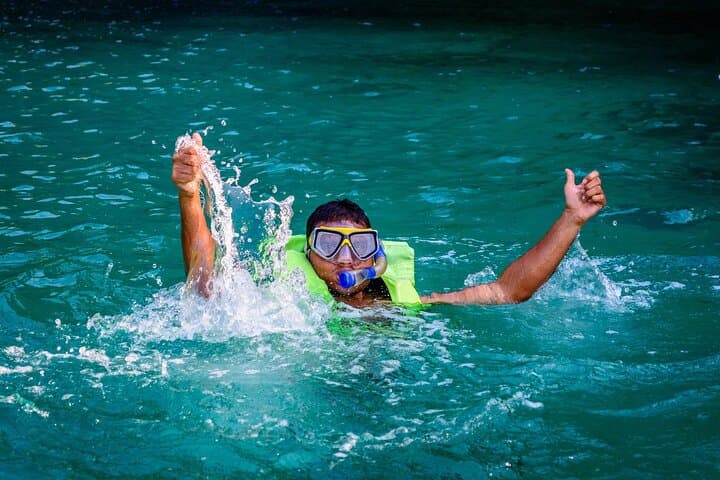
Timing pays dividends: mornings bring calmer seas and clearer visibility; afternoons are warmer but busier. Guides emphasize safety—life vests are available, and the pace is deliberate so beginners can relax and learn.
For photographers, an underwater housing will capture coral color at shallow depth; on-deck portraits at golden hour turn high-rise Miami into a distant backdrop. Conservation-minded travelers should avoid touching coral, use only reef-safe products, and ask operators about their environmental practices.
This excursion is less a feat of endurance than a close-up nature lesson: a short, controlled window into the subtropical ecosystems off Miami, run from a small vessel that makes the bay feel—briefly—like private water. It’s the kind of half-day that translates into lasting images and a clearer sense of why these reefs, small as they are, deserve attention.
easy.
2 hours.
Suitable for all fitness levels; participants should be comfortable treading water and able to swim short distances with a life vest available
No—this tour is designed for beginners; guides provide basic instruction on mask fit, breathing and entry/exit techniques.
Check in at the Boat Yard near Bayside Marketplace; the supplier will provide exact meeting instructions on your booking confirmation.
Yes—snorkel masks, fins and life vests are included with the trip.
Yes—life vests are available and guides keep groups in shallow areas, but participants should be comfortable in the water.
Full refund if you cancel at least 24 hours before departure; the operator specifies this in booking details.
Transit time is short—typically 15–30 minutes depending on sea conditions and the exact sandbar location.
Biscayne Bay has long been a maritime corridor—from indigenous fishing grounds to Spanish charts—shaping Miami’s coastal culture and commerce.
Operators encourage reef‑safe practices and brief visitors on no‑touch rules; limiting group sizes and using shallow, sandy approach points reduces coral contact.
Attractions4us LLC operates guided outdoor trips and adventures with an emphasis on safety, stewardship, and memorable experiences.
The bow parts Biscayne Bay like a hand pushing open a page of sky—light slants across glassy water, and the city slips into the background. You step from the dock at Bayside Marketplace onto a compact private yacht and feel the subtle shove of the engine, the kind of forward motion that promises both movement and release. Within twenty minutes the skyline thins, and the captain eases into shallower water where a secluded sandbar and fringing coral sit like an unexpected room in the sea.
The bow parts Biscayne Bay like a hand pushing open a page of sky—light slants across glassy water, and the city slips into the background. You step from the dock at Bayside Marketplace onto a compact private yacht and feel the subtle shove of the engine, the kind of forward motion that promises both movement and release. Within twenty minutes the skyline thins, and the captain eases into shallower water where a secluded sandbar and fringing coral sit like an unexpected room in the sea.
This is not an Olympic dive into the deep but an invitation to meet South Florida’s marine life on its own terms. The coral here is a remnant of ancient reefs built slowly by tiny organisms; what remains is a living edge sculpted by currents and hurricanes. Biscayne Bay’s shallow reefs are ecologically young compared with Caribbean atolls but dense with colorful fish—sergeant majors, parrotfish and the occasional stingray—making them ideal for first-time snorkelers.
Miami’s coast has been a working waterway for centuries. Indigenous communities fished these waters long before Spanish explorers charted the bay in the 16th century, and the area evolved into a maritime crossroads that helped shape the modern city. Today, local captains balance tourism with stewardship: small-boat etiquette and reef-aware snorkeling help keep fragile corals from further damage.
The experience is built for simplicity: a friendly guide briefs you on mask fit and breathing, hands you a snorkel set, and escorts small groups into waist- to chest-deep water. The sandbar itself is as much social as scenic—people float, snack, and watch schools of fish weave between coral fingers that dare you to lean closer.
Practicalities matter. The trip runs about two hours from check-in at the Boat Yard beside Bayside Marketplace; currents are gentle but sun and reflections are fierce. Wear reef-safe sunscreen, a snug mask, and water shoes for walking the bar. Bring a waterproof bag for keys and a dry towel for the ride back.
Timing pays dividends: mornings bring calmer seas and clearer visibility; afternoons are warmer but busier. Guides emphasize safety—life vests are available, and the pace is deliberate so beginners can relax and learn.
For photographers, an underwater housing will capture coral color at shallow depth; on-deck portraits at golden hour turn high-rise Miami into a distant backdrop. Conservation-minded travelers should avoid touching coral, use only reef-safe products, and ask operators about their environmental practices.
This excursion is less a feat of endurance than a close-up nature lesson: a short, controlled window into the subtropical ecosystems off Miami, run from a small vessel that makes the bay feel—briefly—like private water. It’s the kind of half-day that translates into lasting images and a clearer sense of why these reefs, small as they are, deserve attention.