THE ADVENTURE COLLECTIVE® · Independent discovery and booking for outdoor travel

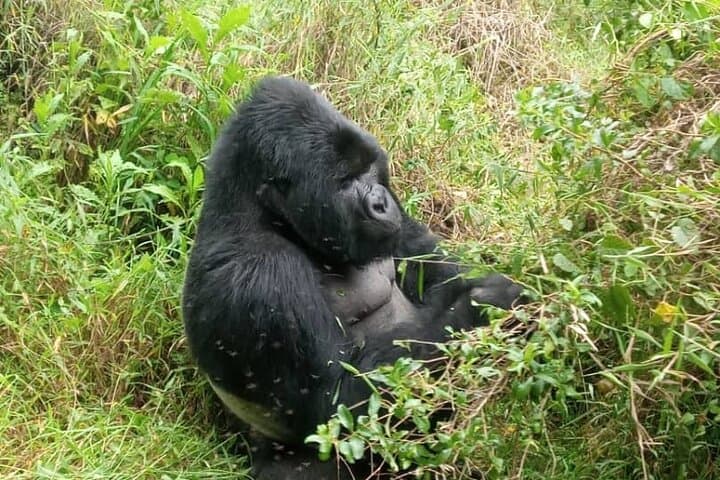
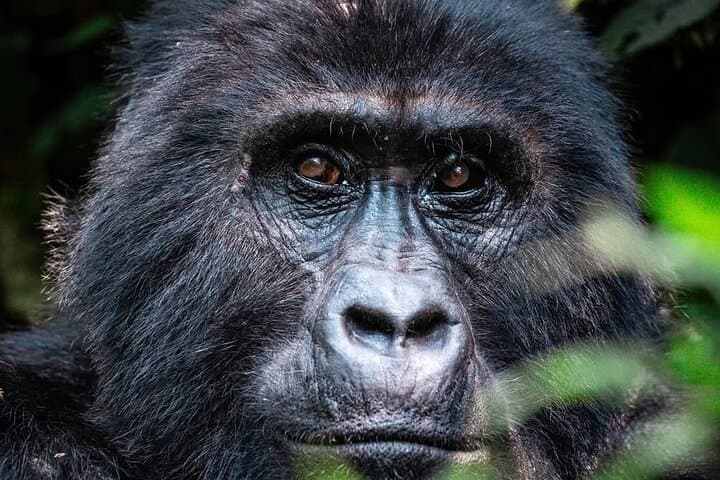
Spend a full day tracking the habituated Nyakagezi gorilla family in Mgahinga National Park. This guided trek combines steep volcanic terrain, dense bamboo forest, and a strict conservation-focused viewing experience that rewards physical effort with close-up wildlife encounters.
Spend a full day tracking the habituated Nyakagezi gorilla family in Mgahinga National Park. This guided trek combines steep volcanic terrain, dense bamboo forest, and a strict conservation-focused viewing experience that rewards physical effort with close-up wildlife encounters.
Dawn at Mgahinga Park Headquarters peels fog from the lower slopes of the Virunga volcanoes; you feel the forest breathe as rangers check permits and porters strap packs. The trail drops into bamboo and dense montane forest, where shafts of light stitch through moss and the undergrowth seems to lean toward you, as if urging you forward.
Verified experiences and guided adventures in the surrounding area.
Operated by Gorilla Explorers · Kisoro, Kisoro District
Dawn at Mgahinga Park Headquarters peels fog from the lower slopes of the Virunga volcanoes; you feel the forest breathe as rangers check permits and porters strap packs. The trail drops into bamboo and dense montane forest, where shafts of light stitch through moss and the undergrowth seems to lean toward you, as if urging you forward.
Mgahinga Gorilla National Park is part of the Virunga Conservation Area, a cross-border effort protecting volcanoes and the mountain gorillas that live on their slopes. The park is small but geologically dramatic—extinct volcanic cones press against one another, creating steep ridgelines and narrow valleys that channel mist and rain. Local Bakiga and Batwa communities have long histories here; community-based tourism supports conservation and cultural exchange.
Expect a variable hike: treks to the Nyakagezi family can be 2–6 hours through slippery mud, bamboo stands, and steep steps, at altitudes generally between ~2,200–2,700 m. Park briefings cover behavior rules—no closer than 7 meters, a one-hour viewing limit—and rangers will guide every step. Wildlife is constant at the edges: golden monkeys call in the canopy; birds punctuate the quiet.
Practical guidance: bring 2–3 liters of water, gaiters and stout boots, light layers for rapidly changing mountain weather, and a small first-aid kit. Travel time from Kisoro or Kabale makes this a full day (expect about 6–9 hours total). Book permits well in advance—numbers are strictly limited—and be prepared to hire a porter if the terrain challenges you. Move deliberately, respect the rules, and the hour with the gorillas will be unforgettable.
challenging.
6–9 hours.
Participants should have good cardiovascular fitness and be comfortable hiking steep, muddy, and uneven terrain for several hours.
Trek time varies with gorilla location—expect 2–6 hours on foot searching through bamboo and forest, plus briefing and travel time, making it a full-day activity.
Permits are limited and often must be reserved months ahead; check with your operator for availability—this trip requires a valid gorilla permit per person.
Not recommended for young children, pregnant travelers, or people with serious spinal or cardiovascular issues; participants should have moderate to good fitness.
Photography is allowed but flash is prohibited; follow ranger instructions to avoid disturbing gorillas and other visitors.
Mgahinga is part of the Virunga Conservation Area created to protect volcanoes and mountain gorillas; the park supports one habituated family, Nyakagezi, used for regulated treks.
Gorilla tourism is tightly managed with limited permits, strict viewing rules, and community projects—visitors help fund conservation but must minimise disease risk and leave no trace.
Gorilla Explorers operates guided outdoor trips and adventures with an emphasis on safety, stewardship, and memorable experiences.


Dawn at Mgahinga Park Headquarters peels fog from the lower slopes of the Virunga volcanoes; you feel the forest breathe as rangers check permits and porters strap packs. The trail drops into bamboo and dense montane forest, where shafts of light stitch through moss and the undergrowth seems to lean toward you, as if urging you forward.
Dawn at Mgahinga Park Headquarters peels fog from the lower slopes of the Virunga volcanoes; you feel the forest breathe as rangers check permits and porters strap packs. The trail drops into bamboo and dense montane forest, where shafts of light stitch through moss and the undergrowth seems to lean toward you, as if urging you forward.
Mgahinga Gorilla National Park is part of the Virunga Conservation Area, a cross-border effort protecting volcanoes and the mountain gorillas that live on their slopes. The park is small but geologically dramatic—extinct volcanic cones press against one another, creating steep ridgelines and narrow valleys that channel mist and rain. Local Bakiga and Batwa communities have long histories here; community-based tourism supports conservation and cultural exchange.
Expect a variable hike: treks to the Nyakagezi family can be 2–6 hours through slippery mud, bamboo stands, and steep steps, at altitudes generally between ~2,200–2,700 m. Park briefings cover behavior rules—no closer than 7 meters, a one-hour viewing limit—and rangers will guide every step. Wildlife is constant at the edges: golden monkeys call in the canopy; birds punctuate the quiet.
Practical guidance: bring 2–3 liters of water, gaiters and stout boots, light layers for rapidly changing mountain weather, and a small first-aid kit. Travel time from Kisoro or Kabale makes this a full day (expect about 6–9 hours total). Book permits well in advance—numbers are strictly limited—and be prepared to hire a porter if the terrain challenges you. Move deliberately, respect the rules, and the hour with the gorillas will be unforgettable.