THE ADVENTURE COLLECTIVE® · Independent discovery and booking for outdoor travel

Plan your visit to the Museum of Fine Arts, Boston with practical tips on timing, gallery highlights, and what to expect from a general admission ticket. Learn where to focus your time and how to make the most of the MFA’s vast collections.
Plan your visit to the Museum of Fine Arts, Boston with practical tips on timing, gallery highlights, and what to expect from a general admission ticket. Learn where to focus your time and how to make the most of the MFA’s vast collections.
You step from the orange-lit subway into the steady hum of Huntington Avenue and the museum doors open like a cool breath. Inside, galleries fold into one another—high-ceilinged rooms for Renaissance canvases, hushed spaces for East Asian scrolls, and angled light on glass cases that seem to make time slow.
Verified experiences and guided adventures in the surrounding area.
Operated by Museum of Fine Arts, Boston · Boston, Massachusetts
You step from the orange-lit subway into the steady hum of Huntington Avenue and the museum doors open like a cool breath. Inside, galleries fold into one another—high-ceilinged rooms for Renaissance canvases, hushed spaces for East Asian scrolls, and angled light on glass cases that seem to make time slow.
Founded in 1870 and moved to its Huntington Avenue home in the early 20th century, the Museum of Fine Arts (MFA) charts global art history across nearly 500,000 works. The building’s masonry and galleries reflect Beaux-Arts planning while the collections reveal trade routes, colonial histories, and modern remakings—layers of culture and commerce arranged for study and surprise.
Geology and place show up in unexpected ways: marble pedestals, mineral pigments in ancient ceramics, and the city’s brownstone façades visible through narrow high windows. Local culture seeps in—Boston’s academic energy, immigrant histories, and seasonal rhythms of university terms and tourist influxes.
Practical guidance: arrive early on weekdays or on Thursday evenings when the museum stays open later. Allow 2–4 hours for a focused visit or a full day to hit highlights and quieter wings. Wear comfortable shoes for marble floors, carry a charged device for the complimentary audio guide, and plan restroom and coat-check breaks—last entry is 30 minutes before closing. Check the MFA site for temporary exhibitions and closures; audio guides and maps in multiple languages make independent visits straightforward.
This is a museum built for lingering: bring curiosity, a note-taking app, and time to let individual works draw you in.
easy.
2–6 hours.
Suitable for all fitness levels; expect several hours of standing and walking on hard floors.
Yes—most galleries and public spaces are wheelchair accessible; staff can advise on accessible routes and elevators.
Large backpacks and professional tripods are restricted; use the complimentary coat check for bulky items and check photo rules for specific exhibits.
Plan 2–4 hours for highlights or half to full day for a thorough visit; last entry is 30 minutes before closing.
A free audio guide is available for use on your own device; download the museum’s recommended app or access provided links.
The MFA was founded in 1870 and relocated to its Huntington Avenue complex in the early 20th century, growing its collection through civic philanthropy and global acquisitions.
The MFA emphasizes conservation and climate-controlled storage for collections, encourages ticketing and audio access via mobile devices to reduce paper waste, and participates in regional preservation partnerships.
Museum of Fine Arts, Boston operates guided outdoor trips and adventures with an emphasis on safety, stewardship, and memorable experiences.
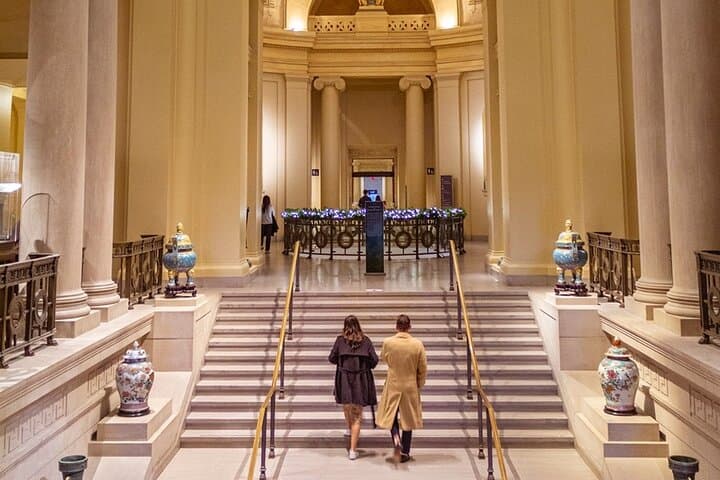
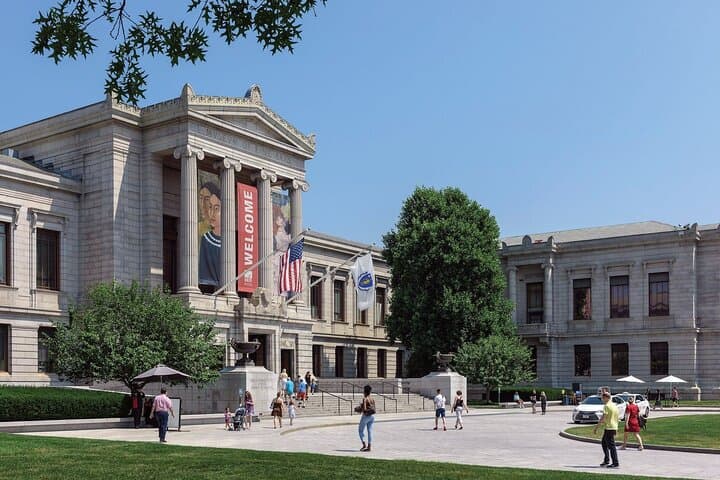
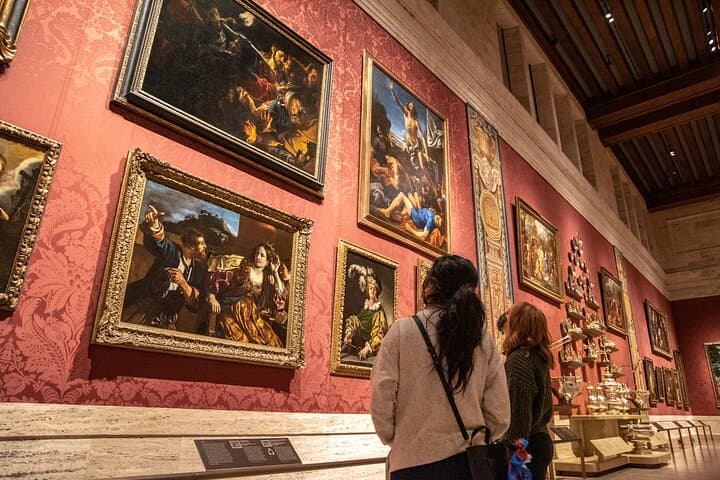
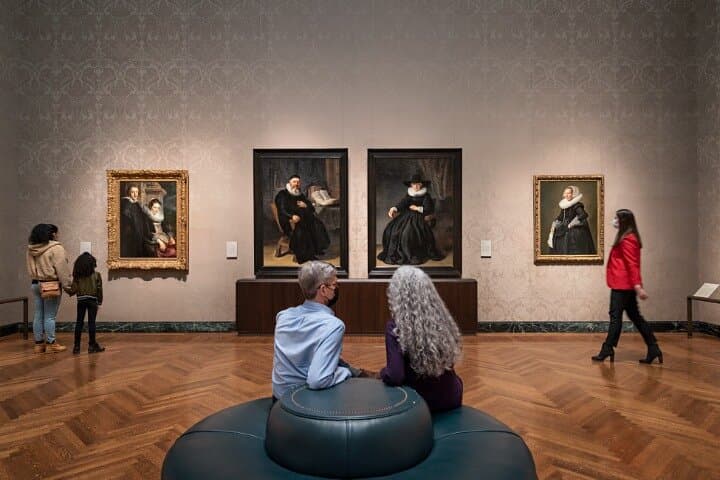
You step from the orange-lit subway into the steady hum of Huntington Avenue and the museum doors open like a cool breath. Inside, galleries fold into one another—high-ceilinged rooms for Renaissance canvases, hushed spaces for East Asian scrolls, and angled light on glass cases that seem to make time slow.
You step from the orange-lit subway into the steady hum of Huntington Avenue and the museum doors open like a cool breath. Inside, galleries fold into one another—high-ceilinged rooms for Renaissance canvases, hushed spaces for East Asian scrolls, and angled light on glass cases that seem to make time slow.
Founded in 1870 and moved to its Huntington Avenue home in the early 20th century, the Museum of Fine Arts (MFA) charts global art history across nearly 500,000 works. The building’s masonry and galleries reflect Beaux-Arts planning while the collections reveal trade routes, colonial histories, and modern remakings—layers of culture and commerce arranged for study and surprise.
Geology and place show up in unexpected ways: marble pedestals, mineral pigments in ancient ceramics, and the city’s brownstone façades visible through narrow high windows. Local culture seeps in—Boston’s academic energy, immigrant histories, and seasonal rhythms of university terms and tourist influxes.
Practical guidance: arrive early on weekdays or on Thursday evenings when the museum stays open later. Allow 2–4 hours for a focused visit or a full day to hit highlights and quieter wings. Wear comfortable shoes for marble floors, carry a charged device for the complimentary audio guide, and plan restroom and coat-check breaks—last entry is 30 minutes before closing. Check the MFA site for temporary exhibitions and closures; audio guides and maps in multiple languages make independent visits straightforward.
This is a museum built for lingering: bring curiosity, a note-taking app, and time to let individual works draw you in.