THE ADVENTURE COLLECTIVE® · Independent discovery and booking for outdoor travel

Learn basic salsa steps with a pro instructor, then join a guided night out to two of Mexico City’s lively salsa clubs, ending with tacos at a classic taquería. Perfect for first-timers who want a sociable, authentic evening of music and food.
Learn basic salsa steps with a pro instructor, then join a guided night out to two of Mexico City’s lively salsa clubs, ending with tacos at a classic taquería. Perfect for first-timers who want a sociable, authentic evening of music and food.
You step into a warm bar as percussion and brass fold around the room — the instructor counts off and the floor suddenly moves in sync. In Mexico City, salsa nights are part lesson, part social ritual: hands find rhythm, strangers become partners, and the city’s pulse hums through speakers while neon signs blink outside.
Verified experiences and guided adventures in the surrounding area.
Operated by Taste & Time Traveler · Mexico City, CDMX
You step into a warm bar as percussion and brass fold around the room — the instructor counts off and the floor suddenly moves in sync. In Mexico City, salsa nights are part lesson, part social ritual: hands find rhythm, strangers become partners, and the city’s pulse hums through speakers while neon signs blink outside.
Salsa itself arrived in Mexico City via mid-20th-century cultural exchange across the Caribbean and the U.S.; local clubs absorbed Cuban and Puerto Rican styles and made them their own. The venues you visit sit in neighborhoods shaped by colonial grids and 20th-century migration, where narrow streets and late-night taquerías keep a city that never sleeps fed and loud. Geologically, you’re dancing on the Basin of Mexico — a high-altitude plain ringed by volcanoes — which makes the evenings noticeably cooler than coastal salsa hubs.
Expect an approachable beginner lesson focused on basic timing, partner changes, and simple turns, followed by guided entry to one or two lively salsa clubs. The evening typically ends at a nearby taquería where tacos and a cerveza reset your energy.
Practical guidance: arrive in flat, non-slip shoes; bring ID (clubs enforce entry rules); carry small bills for food and tips; hydrate before and after dancing. Class sizes are small — often under 10 — so it’s social and suitable for first-timers. If you’re sensitive to loud spaces or have cardiovascular concerns, consider sitting out the peak club time. Otherwise, bring curiosity and comfortable clothes: the city’s rhythm will do the rest.
easy.
2–3 hours.
Suitable for most fitness levels; basic stamina for standing and dancing for several sets recommended
No — classes are designed for beginners and focus on basic timing, steps, and simple partner work.
A cerveza is usually included in the listing; dinner at a taquería is provided but additional drinks or extras may be pay-as-you-go.
No — venues are typically within walking distance; hosts guide the group but do not supply transport.
Generally no — the late-night club portion and alcohol make this best for adults; check age restrictions with the operator.
Salsa reached Mexico City through mid-20th-century cultural exchange; local bands and clubs adapted Caribbean rhythms into a vibrant urban nightlife tradition.
Nightlife in central neighborhoods can generate noise and waste — support establishments that manage trash responsibly and respect local residential hours.
Taste & Time Traveler operates guided outdoor trips and adventures with an emphasis on safety, stewardship, and memorable experiences.
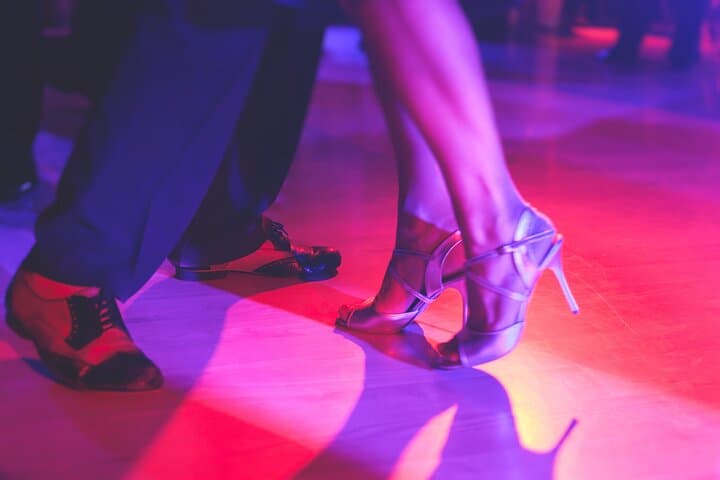
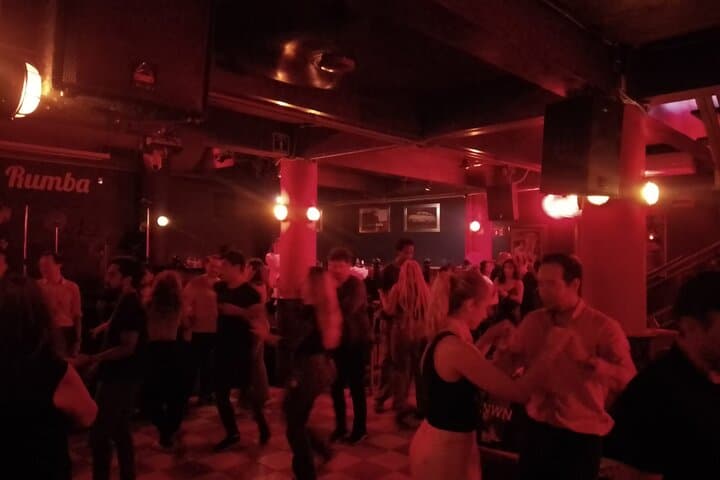
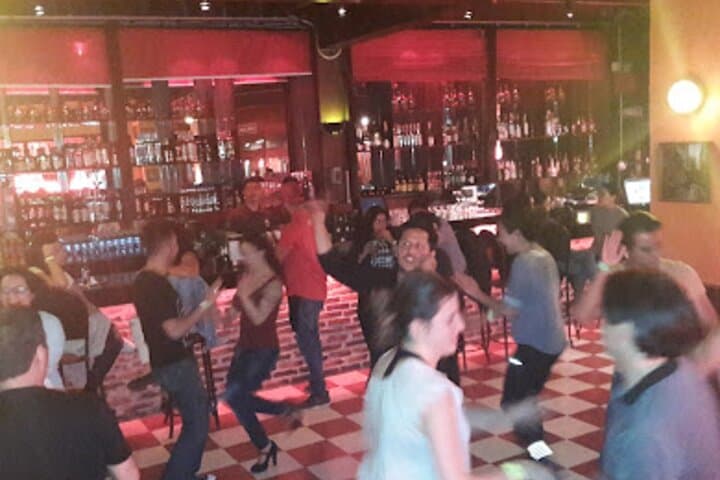
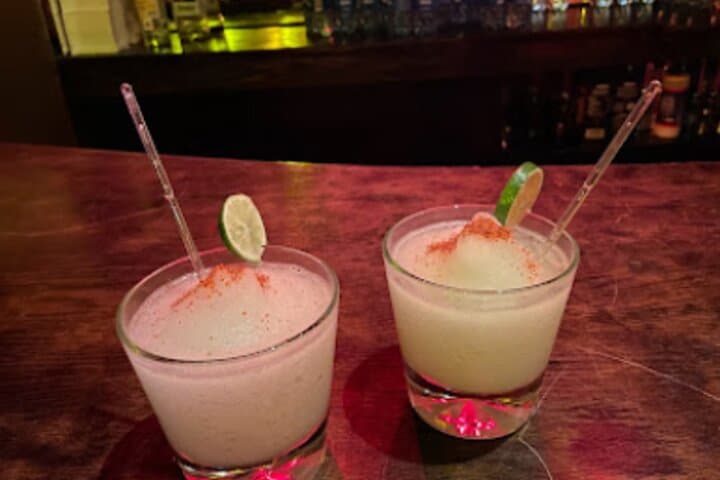
You step into a warm bar as percussion and brass fold around the room — the instructor counts off and the floor suddenly moves in sync. In Mexico City, salsa nights are part lesson, part social ritual: hands find rhythm, strangers become partners, and the city’s pulse hums through speakers while neon signs blink outside.
You step into a warm bar as percussion and brass fold around the room — the instructor counts off and the floor suddenly moves in sync. In Mexico City, salsa nights are part lesson, part social ritual: hands find rhythm, strangers become partners, and the city’s pulse hums through speakers while neon signs blink outside.
Salsa itself arrived in Mexico City via mid-20th-century cultural exchange across the Caribbean and the U.S.; local clubs absorbed Cuban and Puerto Rican styles and made them their own. The venues you visit sit in neighborhoods shaped by colonial grids and 20th-century migration, where narrow streets and late-night taquerías keep a city that never sleeps fed and loud. Geologically, you’re dancing on the Basin of Mexico — a high-altitude plain ringed by volcanoes — which makes the evenings noticeably cooler than coastal salsa hubs.
Expect an approachable beginner lesson focused on basic timing, partner changes, and simple turns, followed by guided entry to one or two lively salsa clubs. The evening typically ends at a nearby taquería where tacos and a cerveza reset your energy.
Practical guidance: arrive in flat, non-slip shoes; bring ID (clubs enforce entry rules); carry small bills for food and tips; hydrate before and after dancing. Class sizes are small — often under 10 — so it’s social and suitable for first-timers. If you’re sensitive to loud spaces or have cardiovascular concerns, consider sitting out the peak club time. Otherwise, bring curiosity and comfortable clothes: the city’s rhythm will do the rest.